
Propagation
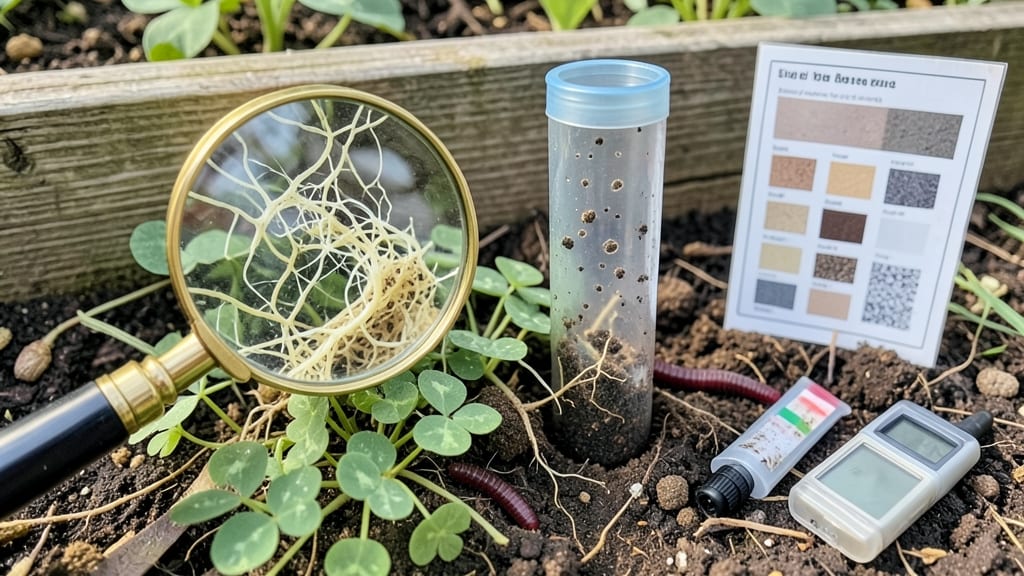
The interaction between soil and air is essential for plant growth, as it supplies oxygen to roots while maintaining moisture and nutrients. Proper soil structure promotes healthy gas exchange, preventing root suffocation and fostering microbial activity that breaks down organic matter.
Soil isn't just dirt—it's a living ecosystem where roots breathe through tiny air pockets. When soil becomes compacted or waterlogged, those pockets collapse, cutting off oxygen and suffocating roots. 🌱 Think of it like a sponge: too tight, and water can't drain; too loose, and plants can't anchor properly.
For example, clay soils hold moisture but struggle with aeration, while sandy soils drain too quickly. The key is balance—amending soil with compost or organic matter creates the right mix of air and water for thriving roots.
This balance also fuels the microscopic world beneath your plants. Beneficial bacteria and fungi rely on oxygen to break down organic matter, releasing nutrients back into the soil. Without proper aeration, these processes slow down, leaving roots starved for food.
I've seen firsthand how amending heavy garden soil with perlite or coconut coir can transform root health in just a few weeks.
💡 In This Article
- How Soil Aeration Affects Root Oxygen Levels
- Improving Soil-Air Balance for Stronger Plant Roots
How soil aeration affects root oxygen levels
Soil aeration works through a network of tiny air spaces called pores that occupy about 25-30% of healthy soil's volume. These pores form between soil particles and organic matter, creating pathways for oxygen to reach roots.
When soil is well-aerated, roots can respire efficiently—similar to how we breathe—absorbing oxygen through root hairs and releasing carbon dioxide. This process is critical because roots can't photosynthesize like leaves; they rely entirely on oxygen from the soil for energy production.
The ideal soil structure balances solid particles, water, and air. Sandy soils drain quickly but often lack moisture retention, while clay soils hold water but become compacted, squeezing out air. For example, a loamy soil (equal parts sand, silt, and clay) typically maintains 50-60% porosity, providing optimal aeration.
Poor aeration occurs when soil moisture exceeds 60% of total volume, forcing roots to struggle in anaerobic (oxygen-poor) conditions, which triggers stress responses like root rot or stunted growth.
Root respiration rates drop dramatically when oxygen levels fall below 10% by volume—healthy air contains about 21% oxygen. In waterlogged soils, oxygen can plummet to 5% or less, forcing roots to switch to inefficient fermentation for energy.
This is why plants in soggy soil often develop dark, mushy roots. The solution lies in soil structure: adding organic matter like compost increases pore space, while proper drainage prevents water from displacing air.
Microbial activity also hinges on aeration. Aerobic bacteria and fungi—key players in nutrient cycling—thrive in oxygen-rich soils, breaking down organic matter into plant-available forms like nitrogen and phosphorus. Without proper aeration, anaerobic microbes take over, producing harmful byproducts like methane or hydrogen sulfide.
For instance, a well-aerated garden soil might host 100 million bacteria per gram, while compacted soil could see that number drop by 50-70% due to oxygen starvation.
Seasonal changes further highlight aeration's role. During heavy rains, soil pores fill with water, displacing air and suffocating roots. In contrast, dry periods can create crusts that seal the surface, blocking oxygen. Testing soil aeration is simple: squeeze a handful—if it holds its shape when moist, it's likely compacted.
For deeper insights, a soil probe test (pushing a metal rod into the ground) reveals compaction layers where roots struggle.
Understanding these dynamics helps explain why some plants thrive in specific conditions. For example, blueberries demand acidic, well-drained soils to prevent root asphyxiation, while corn roots grow deep to access oxygen in denser subsoils.
The lesson? Healthy soil isn't just about moisture—it's about creating the right balance of air and space for roots to breathe and microbes to work their magic.