
Plants
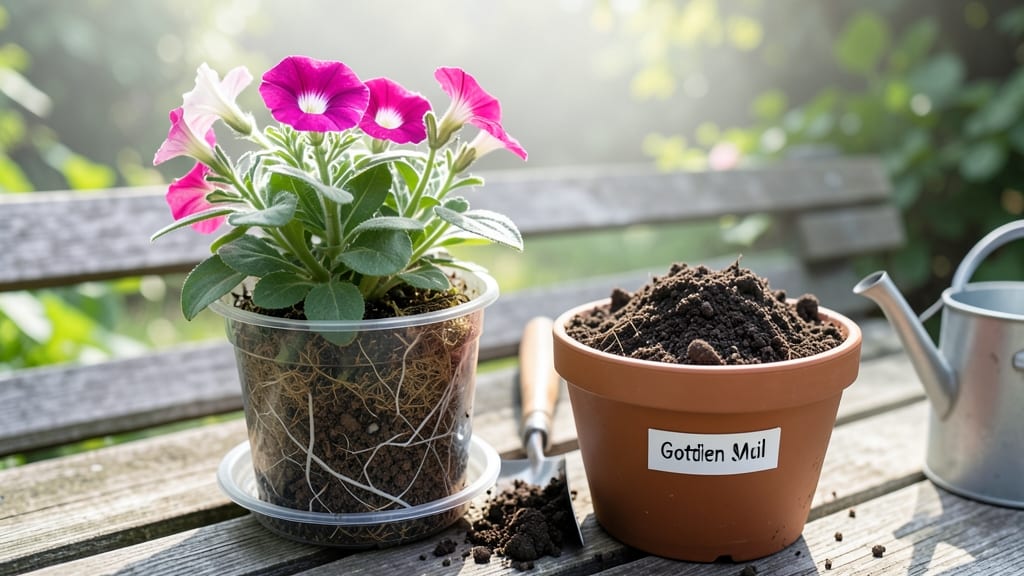
You shouldn't use garden soil for potted plants because it compacts easily, drains poorly, and may contain pests or diseases. Instead, opt for lightweight potting mixes with perlite, vermiculite, or coconut coir for optimal aeration and drainage.
Garden soil is designed for in-ground planting where roots can spread freely, but container gardening creates a completely different environment. 🌱 The confined space causes soil to become compacted over time, blocking airflow to roots and trapping excess moisture—leading to rot or fungal growth.
Plus, garden soil often brings along weeds, insects, or pathogens that can harm your potted plants. For containers, you need a blend specifically formulated to stay loose and drain efficiently, like those with perlite or coconut coir.
Most pre-mixed potting soils already include these lightweight additives, but you can also create your own DIY mix by combining peat moss or coconut coir (for moisture retention) with perlite or vermiculite (for drainage).
For heavy feeders like tomatoes or herbs, adding a handful of compost or worm castings gives them the extra nutrients they crave without weighing down the mix.
💡 In This Article
- Why Garden Soil Fails in Potted Plant Containers
- Best Potting Soil Blends for Healthy Container Plants
Why garden soil fails in potted plant containers
Garden soil is engineered for open-ground planting where roots can spread horizontally and vertically without restriction. But in containers, the confined space creates a suffocating environment for roots.
When you pack garden soil into pots, the tiny clay particles and organic matter compress tightly, reducing pore space by up to 40%. This compaction blocks oxygen from reaching roots, creating anaerobic conditions where harmful bacteria thrive and plant growth stalls. 🌱
The drainage disaster begins here: garden soil's natural structure relies on a balance of sand, silt, and clay that works underground but fails in containers. Without proper aeration, water pools at the bottom, leading to root rot within 3-5 days of overwatering.
Compare this to potting mixes with perlite or vermiculite, which maintain 30-50% air pockets—critical for oxygen flow and moisture regulation. Even "well-draining" garden soil from sandy areas can still compact when confined.
Nutrient imbalances compound the problem. Garden soil contains variable amounts of organic matter that decompose unevenly in containers, creating hotspots of fertility while other areas become nutrient-poor. The confined space also accelerates microbial activity, depleting available nitrogen faster than plants can absorb it.
This is why container plants often show yellowing leaves (a classic nitrogen deficiency sign) even when garden soil appears rich. 💥
Pest and disease risks escalate in garden soil too. Weeds, grubs, and fungal spores hitch a ride from your yard into pots, creating ideal conditions for infestations. Unlike in-ground plants that can outgrow soil-borne pathogens, container plants have nowhere to escape—making them vulnerable to sudden collapse.
The phyllosphere (leaf surface) of potted plants becomes a battleground when garden soil introduces pathogens that thrive in the humid microclimate of containers.
Consider the particle size difference: garden soil typically contains 20-40% clay particles (0.002mm diameter), while potting mixes use coarse perlite (1-2mm) or vermiculite (0.25-1.5mm) that never compact.
This structural difference explains why a 1-gallon container** planted with garden soil may develop waterlogging within weeks, while the same plant in potting mix thrives with proper drainage. The science is clear: container gardening demands soil that mimics the loose, airy conditions of forest floors rather than compacted garden beds.