
Landscaping
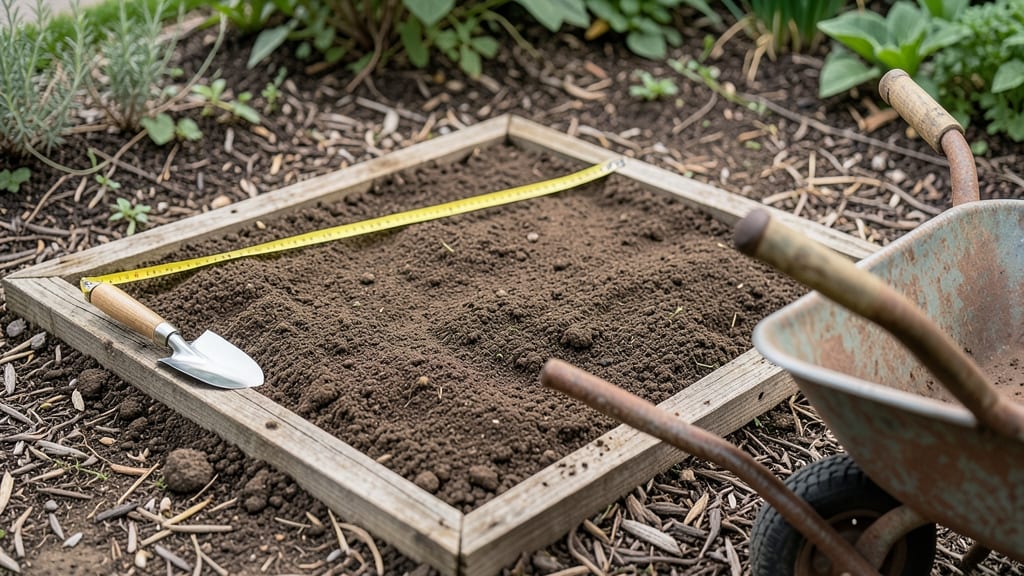
A yard of soil measurement means one cubic yard (27 cubic feet) of loose soil, weighing roughly 1,500 to 2,000 pounds based on moisture levels. This standard volume is essential for landscaping and garden projects.
A cubic yard of soil is a three-dimensional measurement—3 feet long × 3 feet wide × 3 feet tall, totaling 27 cubic feet. 🌱 The weight varies because wet soil can be up to 500 pounds heavier than dry soil due to water absorption.
For example, a typical 4'×8' raised bed needs about 0.3 cubic yards of soil, while a full garden bed might require 2-3 cubic yards. Understanding this helps you estimate costs and avoid overbuying when shopping in bulk.
Most landscaping suppliers sell soil by the cubic yard because it's the industry standard for large projects. One cubic yard typically covers about 100 square feet at a 3-inch depth, making it perfect for leveling lawns or filling garden plots.
If you're working with bags, remember that one cubic yard equals roughly 60-70 40-pound bags—so plan accordingly to save on transport fees.
💡 In This Article
- How Cubic Yards Convert to Feet and Pounds
- Practical Uses for a Cubic Yard of Soil in Gardening
How cubic yards convert to feet and pounds
A cubic yard of soil is a three-dimensional space measuring 3 feet long × 3 feet wide × 3 feet tall, which mathematically equals 27 cubic feet (3 × 3 × 3 = 27).
This conversion is critical because most soil suppliers sell by volume, not weight, and landscapers use cubic feet for precise project planning.
For example, a typical 4'×8' raised bed filled to a 12-inch depth requires roughly 0.3 cubic yards of soil, while a full backyard garden might need 2-3 cubic yards for proper coverage. 🌱
The weight of a cubic yard varies dramatically based on moisture content and soil composition. Dry, sandy soil might weigh around 1,500 pounds, while wet, clay-heavy soil can exceed 2,000 pounds—a difference of up to 500 pounds due to water absorption.
This variation is why contractors always specify "loose" or "compacted" soil when ordering. For instance, topsoil (rich in organic matter) typically weighs 1,800-2,000 pounds per cubic yard, while sand (denser and drier) hovers closer to 1,600 pounds. Understanding this helps avoid overloading trucks or underestimating project needs.
Moisture plays a surprising role in weight fluctuations. A cubic yard of soil can absorb up to 20-30% of its weight in water during rainy periods, making it significantly heavier to transport. For example, a 1,800-pound bag of dry soil might swell to 2,200 pounds after a downpour.
This is why professionals recommend ordering soil slightly ahead of time—wet soil takes longer to dry and settle properly in garden beds. 💧
Density also affects how much space soil occupies once settled. Loose, fluffy soil (like compost-amended topsoil) may compress by 10-20% after tilling, reducing its volume by nearly a cubic foot per yard. Conversely, compacted soil (like clay) resists compression, maintaining its original dimensions.
This compression factor is why landscapers often overestimate volume by 10-15% to account for settling, especially in large-scale projects like lawn leveling or retaining walls.
For practical calculations, remember that one cubic yard covers about 100 square feet at a 3-inch depth—a handy rule for estimating coverage. For example, if you're filling a 10'×10' area to a 4-inch depth, you'll need roughly 0.75 cubic yards of soil.
This math ensures you order the right amount without wasting resources or facing shortages mid-project. 📏
When comparing soil types, sand is the lightest (about 1,600 pounds per cubic yard), while peat moss is the heaviest (up to 2,200 pounds when saturated). This variance explains why some projects require multiple soil types—like a mix of sand for drainage and peat moss for moisture retention.
Always check supplier specifications for exact weights, as even small differences can impact costs and logistics.
Pro tip: If you're hauling soil yourself, rent a dump trailer rated for at least 2,500 pounds to safely transport a cubic yard. Overloading can damage your vehicle or lead to accidents, especially with wet, heavy soil. Always verify your trailer's weight capacity before loading! 🚛