
What is on this site
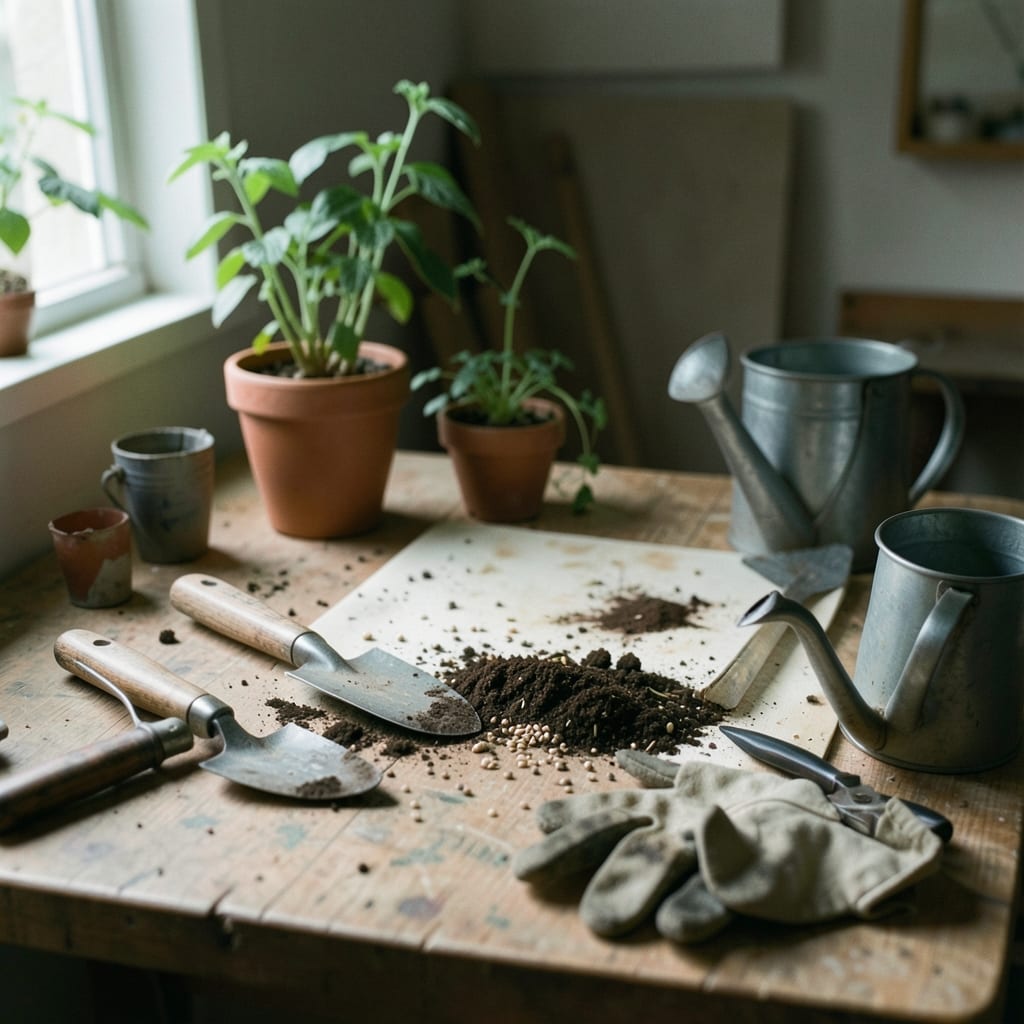
This site is for gardeners who want to grow things—whether it’s a single tomato plant on a windowsill, a raised bed of herbs, or a half-acre of mixed perennials.
It covers soil science, seed saving, seasonal planting, and the quiet art of letting things grow (or die) on their own terms.
The content is organised by what you’re trying to do: starting seeds, troubleshooting pests, extending the harvest, or simply keeping plants alive through summer droughts and winter freezes.
Every guide follows the same structure—soil prep first, then plants, then maintenance—because the order matters, and skipping steps is how good intentions turn into wilting disappointment.
| Where | What is there | Go here if |
|---|---|---|
| The Journal | Monthly planting guides for your climate zone and the mistakes to avoid | You’re unsure what to sow in May |
| The Library | Step-by-step growing guides for 40 common plants, from beans to zucchini | You need to know how far apart to space carrots |
| The Toolkit | Troubleshooting for yellow leaves, stunted growth, and other garden disasters | Your basil is bolting before it’s even flowering |
| The Archive | Seasonal essays on soil health, companion planting, and the myths of ‘perfect’ gardens | You’re curious why your compost smells like rotten eggs |
How to read a page here
Every guide starts with a soil test checklist—what your dirt needs before you plant anything. Skip this, and you’ll end up with sad, stunted growth no matter how much water you give it.
Next comes the plant profile, with hard numbers: days to germination, sunlight needs, and the exact spacing your row should have. The maintenance section lists what to watch for, month by month, and the common failures box tells you what usually goes wrong (and how to fix it).
Numbers in the text are always in metric units (centimetres, grams, litres) unless they’re a standard measurement like ‘6-inch spacing’. Timings are in local daylight hours, not clock time—so a ‘4-hour soak’ means from dawn until mid-morning, not 4:00 PM.
If you’re in doubt, the ‘For beginners’ sidebar on every page repeats the key steps in plain language.
On a first read, focus on the bolded headings and the checklists. The sidebars and footnotes are for later, once you’ve got the basics down. And if a guide mentions ‘Zone 5–7’, that’s your climate zone—find yours with a quick search for ‘USDA hardiness map’ (or equivalent for your country).
When it does not work
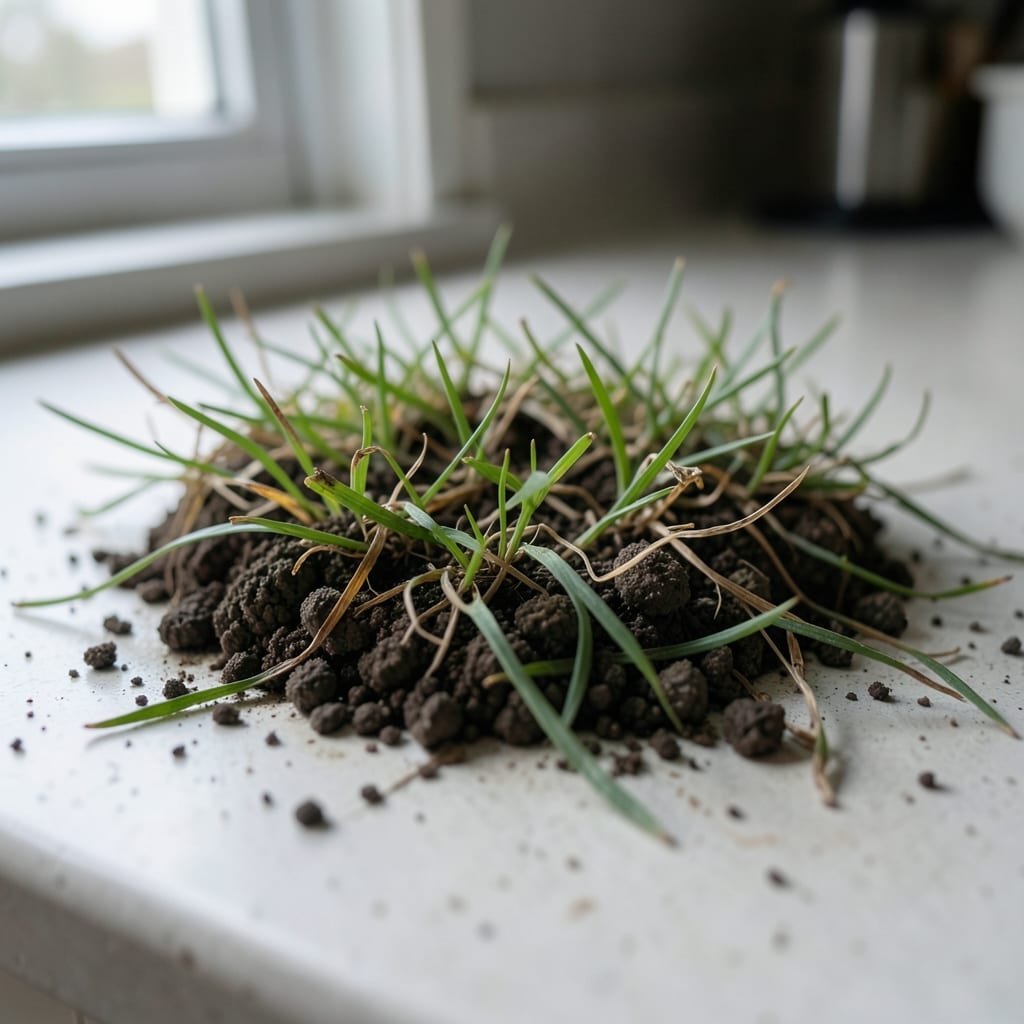
Some pages assume you have basic tools (a trowel, a watering can, a pair of pruners) and a patch of ground that isn’t concrete. Others presume you’ve read the soil prep guide first.
If a method isn’t working, check whether you’ve missed a step in the ‘Before you plant’ section—or whether the guide is for a different climate than yours.
Before you give up
- Did you skip the soil test? (Even potting mix needs amendments.)
- Are you using the right seeds for your season? (Spring onions planted in August won’t survive frost.)
- Did you follow the spacing? (Crowded plants compete for water and light.)
- Is your water too hot or too cold? (Room-temperature is best for seedlings.)
Who we are
| The colophon | |
|---|---|
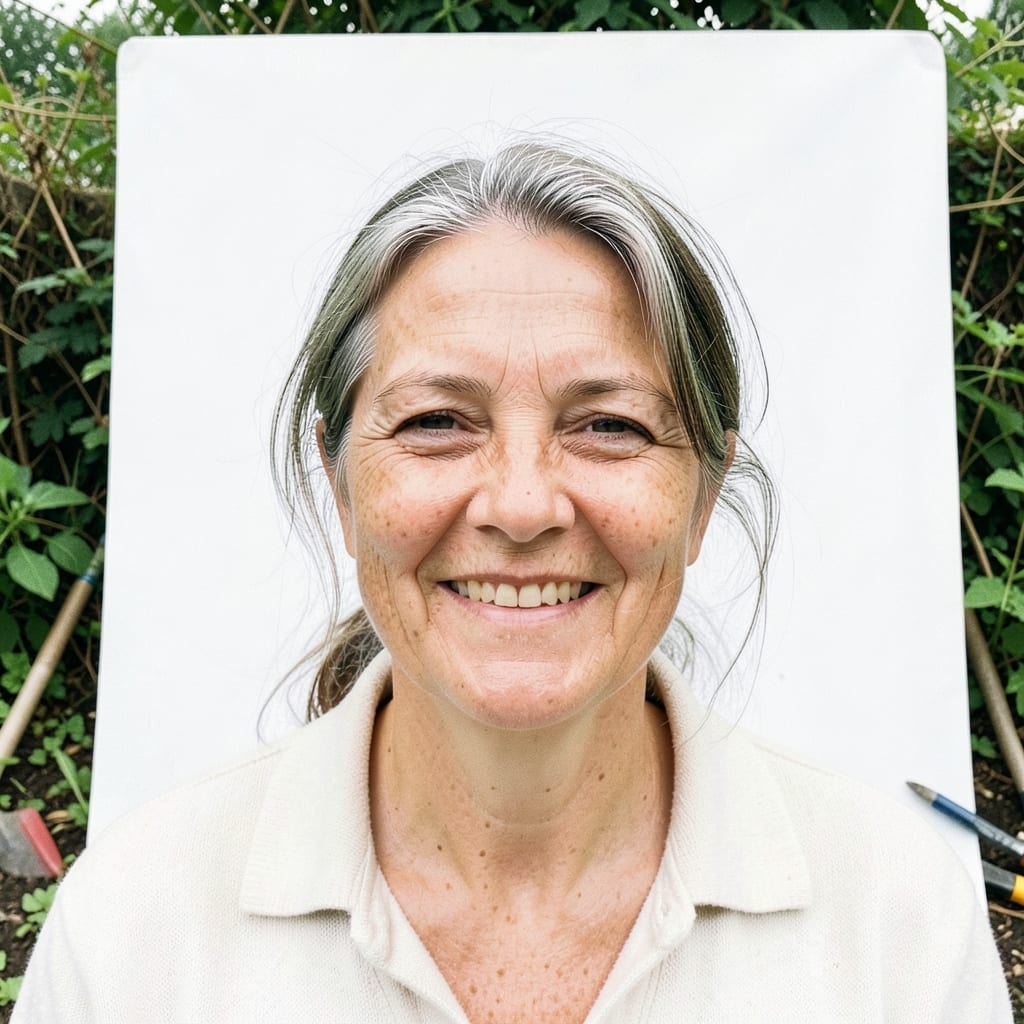
| Written by | Harriet Janowski, who grew up watching her grandfather’s overgrown tomato vines in West Virginia and now writes about the ‘let-it-go’ method—with occasional corrections. |
| Tested in | A 1978 greenhouse in rural Pennsylvania, where the floor cracks in winter and the shelves sag under jars of saved seeds. |
| Written with | A notebook, a spade, and a thermometer that’s been calibrated three times (it still lies). |
| Learned from | A retired agronomist who swore by ‘never amend good soil’ and a neighbour who lost her first garden to squash vine borers—both of whom are unnamed here. |
| Still getting wrong | The exact moment a seedling is ‘ready’ to transplant, no matter how many times I measure the first true leaves. |
Gardens are messy, unpredictable things—half science, half luck. This site is for the part you can control: the soil, the seeds, and the patience to wait for the green to come back.
If you need something that is not here
Topics like container gardening, urban guerrilla planting, or restoring a degraded lawn get mentioned in passing, but not in depth. If you’re looking for advice on growing something specific—like figs in Zone 8 or microgreens under LED lights—start with the ‘Ask a question’ form on the contact page.
The answers might already be in the archives, or they might become part of the next update.
The guides are grouped by category: Advice, Aphids, Blooming, Companion Plants, Container Gardens and Fertilization.