
How To
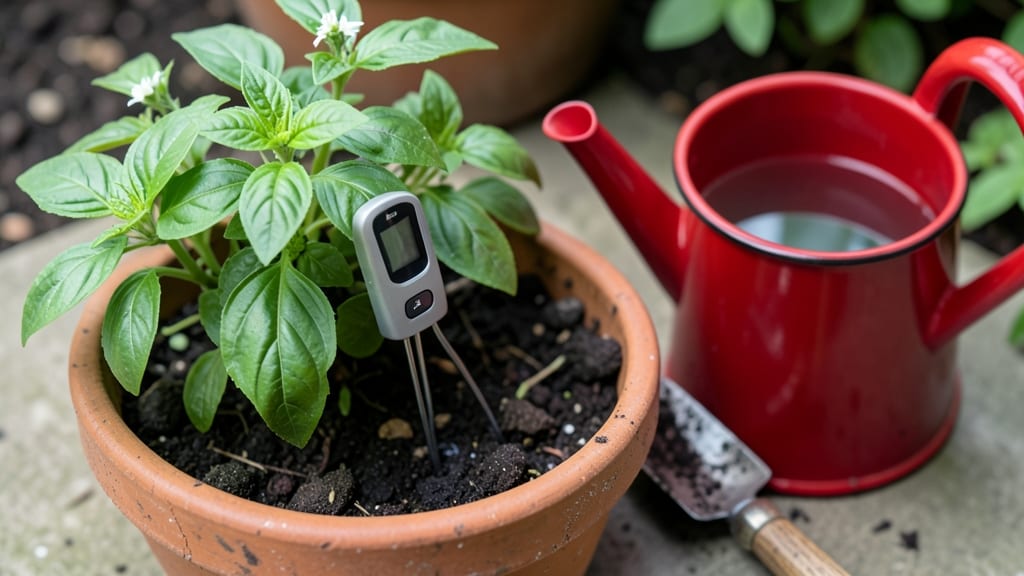
Keeping potting soil moisture balanced means testing the top inch of soil daily—water when it feels dry to the touch, letting excess drain completely. Too much moisture drowns roots, while too little causes stress; find that sweet spot of even dampness, tweaking based on your plants' needs and seasonal changes.
Your plants' health depends on getting this balance right. 🌱 The top inch test works because that's where most roots absorb water, but different plants have different thirst levels—succulents need almost dry soil, while tropicals prefer consistently damp conditions.
I've found that terracotta pots dry out faster than plastic ones, so adjust your watering schedule accordingly. Seasonal shifts matter too: winter slows evaporation, while summer heat demands more frequent checks.
Watch for warning signs like yellowing leaves (often overwatering) or crispy edges (underwatering). Mulching helps retain moisture by slowing evaporation, and using well-draining soil prevents waterlogging. The key is consistency—don't let your soil become a soggy mess or a dusty desert.
💡 In This Article
- How to Test Potting Soil Moisture Levels Accurately
- Best Practices for Balancing Potting Soil Moisture Year-Round
How to test potting soil moisture levels accurately
The finger test is the gold standard for checking soil moisture because it mimics how roots absorb water. Stick your index finger about 1 inch deep into the soil—this is where most root systems actively seek hydration. If it feels dry like crumbled chalk, it's time to water.
For thirstier plants like ferns or calatheas, aim for soil that feels like a damp sponge rather than bone-dry. The science behind this involves capillary action, where tiny water channels in soil pull moisture toward roots when the top layer dries out.
Different plant types demand wildly different moisture levels. Succulents and cacti thrive when the top inch feels completely dry, while tropical plants like peace lilies prefer soil that stays consistently damp.
Here's a quick comparison: a snake plant might need water every 2-3 weeks, whereas a pothos vine could require weekly checks. Moisture meters provide precise readings (0-4 scale), but they can't account for soil composition variations—organic mixes hold moisture longer than inorganic ones.
Visual cues often reveal moisture imbalances before your finger test does. Dark, compacted soil usually means overwatering, while cracked surface soil indicates severe dryness. Pay attention to the pot's weight—lift it before watering: a light container signals dryness, while a heavy one suggests overhydration.
The key is observing your plants' natural rhythms: most houseplants slow their growth in winter, reducing their water needs by up to 50% compared to summer.
Seasonal evaporation rates create major challenges. During summer, a terracotta pot can lose moisture 30-50% faster than plastic due to its porous nature, while winter's cooler air reduces evaporation by nearly 20% weekly.
This is why your watering schedule needs seasonal adjustments—what worked in July might drown your plants in January. The best approach is to test moisture daily during peak heat and reduce frequency as temperatures drop.
Advanced gardeners use the water uptake test: pour a measured amount of water and check how quickly it drains. Fast drainage (under 10 minutes) means your soil lacks organic matter, while slow drainage (over 30 minutes) signals potential compaction.
This test helps you adjust your soil mix for better moisture retention without suffocating roots. 💧
For container gardens, consider the pot's size relative to your plant's root ball. A 6-inch pot may need watering every 5-7 days in summer, while a 12-inch container might hold moisture for 10-14 days.
The larger volume creates a more stable moisture reservoir. This is why dwarf varieties often require more frequent watering than their full-sized counterparts.
Remember that morning is always the best time to test soil moisture. Evening checks can be misleading because condensation from cooler nights might make the soil appear damp when it's actually dry. This simple habit helps you establish a reliable watering routine that keeps your plants thriving year-round. 🌿