
Orchid Care
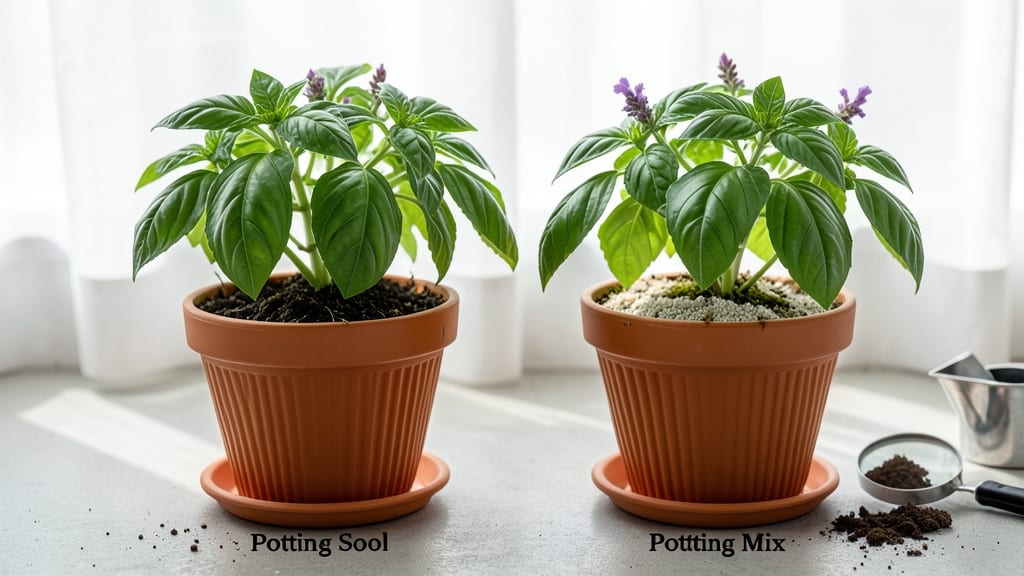
Is there a difference between potting soil and potting mix?—it’s a question that can make or break your orchids’ health. 🌿 I've learned the hard way that using the wrong one can mean the difference between lush blooms and wilted leaves within weeks. The confusion comes from how stores label them, but the real difference lies in what they're made for and how they drain. Potting soil is basically garden soil with extra nutrients and organic matter, designed to mimic outdoor conditions. It's heavy, retains moisture for long periods, and can compact over time—perfect for in-ground plants but a recipe for root rot in orchids that need airflow. Think of it as the "heavyweight" option: great for vegetables but terrible for delicate roots. Potting mix, on the other hand, is lightweight, airy, and specifically formulated to prevent compaction. It's usually made from peat moss, perlite, and bark, creating a medium that drains quickly and lets orchid roots breathe. This is your go-to for epiphytic plants like orchids, succulents, or anything that hates soggy feet. The trade-off? It lacks the nutrients of potting soil, so you'll need to fertilize more often. For orchids, the choice is clear: potting mix wins every time. It mimics their natural habitat of clinging to trees and rocks, where water drains away quickly. The key is to look for a mix labeled "orchid mix" or "epiphytic mix"—these are pre-blended to get the balance right. And if you're mixing your own, aim for 60% bark, 20% perlite, and 20% charcoal for that perfect airflow-to-moisture ratio.
The first product explained
Meet Miracle-Gro Indoor Potting Mix—your go-to companion for nurturing orchids (and other indoor plants) with ease! 🌱✨ This premium blend is specifically designed to cater to the delicate needs of orchids, ensuring they thrive in containers while mimicking their natural, airy habitat.
Let’s dive into what makes this product a favorite among orchid enthusiasts.
📏 Specs & Features
Miracle-Gro Indoor Potting Mix is a lightweight, well-aerated mix formulated to promote root health and prevent waterlogging—critical factors for orchid success. Here’s what sets it apart:
- Orchid-Specific Blend: Combines coconut coir, peat moss, perlite, and bark to create a structure that supports drainage and airflow.
- Slow-Release Fertilizer: Includes a 4-month supply of balanced nutrients (12-4-8) to keep your orchids fed without the hassle of frequent top-ups.
- pH-Balanced: Maintains a slightly acidic pH (around 5.4–6.5), ideal for most orchid varieties like Phalaenopsis and Cattleyas.
- Moisture-Retentive Yet Drainage-Friendly: Holds just enough moisture to hydrate roots while preventing soggy conditions that lead to rot.
- Sterilized & Pest-Free: Ready to use straight from the bag, reducing the risk of introducing harmful pathogens or insects.
🎯 Target Users
This potting mix is perfect for:
- Orchid beginners looking for a foolproof starting blend.
- Busy plant parents who want a low-maintenance solution with built-in nutrients.
- Orchid hobbyists repotting existing plants and seeking a consistent, high-quality medium.
- Those with limited space who need a lightweight mix that won’t weigh down their orchids.
💰 Price Point & Value
The Miracle-Gro Indoor Potting Mix is priced competitively at $8.97 for a 8-quart bag (as of latest retail checks). Given its orchid-specific formulation, slow-release fertilizer, and convenience, it offers exceptional value—especially when compared to generic potting soils.
For orchid lovers, the cost is a small investment for peace of mind and healthier blooms!
💡 Pro Tip: Pair this mix with a well-ventilated orchid pot (like one with slits or a plastic grow pot with drainage holes) to maximize its benefits. Your orchids will thank you with lush foliage and vibrant flowers!
The second product explained
Next up, let’s dive into Miracle-Gro Indoor Potting Mix—a popular choice for orchid enthusiasts who want a balanced, nutrient-rich growing medium without the guesswork. This pre-mixed blend is designed to mimic the natural aeration and drainage orchids crave, making it a stellar option for both beginners and seasoned growers.
🌱 Key Specs & Features
- Composition: A lightweight, peat-based mix with added perlite and vermiculite for optimal airflow and moisture control. No heavy clay or garden soil here!
- Nutrient Boost: Includes slow-release fertilizer (12-4-8 NPK ratio) to support steady growth over 3-4 months. Perfect for orchids that need a gentle, consistent feed.
- pH Level: Slightly acidic (around 5.5–6.5), ideal for most orchid varieties like Phalaenopsis or Cattleyas.
- Moisture Retention: Holds just enough water to keep roots hydrated without drowning them—critical for orchids that hate soggy roots.
- Sterility: Heat-sterilized to prevent fungal or bacterial issues, giving your orchids a clean slate to thrive.
🎯 Who’s This For?
This potting mix is a game-changer for:
- 🌸 Orchid Beginners: No need to DIY blends—just pour, plant, and grow! The pre-mixed formula takes the complexity out of orchid care.
- 🏡 Indoor Growers: Ideal for orchids in pots, baskets, or even mounted setups where drainage is key.
- 🔄 Reblooming Orchids: The slow-release nutrients help encourage frequent, vibrant blooms.
- 🚫 Not for: Outdoor orchids (like epiphytes in tree bark) or those needing ultra-specific mixes (e.g., Cymbidiums often prefer fir bark blends).
💰 Price Point & Value
Priced at around $8–$12 for a 8-quart bag, this mix offers serious bang for your buck. Compared to generic potting soils, it’s a premium pick that justifies the cost with its orchid-tailored formula. For heavy users, the bag size lasts 3–5 repottings depending on your orchid’s size.
💡 Pro Tip: Mix this with 20–30% orchid bark or charcoal for epiphytic orchids (like Vandas) to improve airflow. A little tweaking goes a long way!
Head-to-head comparison
Now that we’ve explored the unique qualities of potting soil and potting mix, let’s dive into a clear, side-by-side comparison to help you decide which is best for your orchids. 🌱 Whether you're a seasoned grower or just starting, understanding these differences will ensure your orchids thrive in the ideal environment.
🔍 Performance: How They Support Orchid Growth
When it comes to orchids, performance isn’t just about how well the medium holds moisture—it’s about aeration, drainage, and microbial activity. Here’s how they stack up:
| Factor | Potting Soil | Potting Mix |
|---|---|---|
| Drainage | Poor to moderate. Heavy clay or peat-based soils can retain too much moisture, risking root rot. | Excellent. Designed with perlite, bark, or charcoal to promote airflow and prevent waterlogging. |
| Aeration | Limited. Dense texture restricts oxygen flow to roots. | Superior. Lightweight components (like orchid bark or sphagnum moss) allow roots to "breathe." |
| Microbial Activity | Higher risk of harmful bacteria/fungi due to compacted, moisture-rich environment. | Lower risk. Sterile or pasteurized mixes reduce pathogens, ideal for orchids sensitive to disease. |
| Nutrient Retention | Good for short-term fertility, but nutrients deplete quickly. | Moderate. Often supplemented with slow-release fertilizers or organic matter for sustained growth. |
💡 Pro Tip: Orchids like Phalaenopsis or Cattleya thrive in potting mixes because their roots need constant airflow. If you repot with soil, amend it with 30-50% perlite to mimic a mix’s benefits!
🛠️ Features: Composition and Ingredients
The ingredients in each medium define their suitability for orchids. Here’s what you’ll typically find—and why it matters:
- Potting Soil:
- Primary Ingredients: Clay, loam, peat moss, compost, and sometimes sand.
- Texture: Dense and heavy, often sticky when wet.
- pH Level: Can vary widely (5.0–7.5), but orchids prefer acidic to neutral (5.5–6.5).
- Additives: Rarely includes orchid-specific amendments like bark or charcoal.
- Potting Mix:
- Primary Ingredients: Orchid bark, sphagnum moss, perlite, charcoal, coconut husk, and sometimes worm castings.
- Texture: Light, chunky, and airy—designed to break down slowly.
- pH Level: Typically 5.5–6.5, perfect for orchids.
- Additives: Often includes anti-fungal agents or slow-release fertilizers.
✨ Key Difference: Potting mixes are engineered for epiphytic orchids (which grow on trees in nature), while soil mimics ground-level growing conditions—rarely ideal for orchids.
💰 Price: Cost-Effectiveness for Long-Term Use
Budget-friendly doesn’t always mean better—especially when it comes to orchid care. Here’s the breakdown:
| Factor | Potting Soil | Potting Mix |
|---|---|---|
| Upfront Cost | $3–$8 per 4-quart bag (cheaper, but may require frequent repotting). | $8–$15 per 4-quart bag (higher cost, but lasts longer). |
| Longevity | Decomposes quickly (1–2 years), especially if compost-heavy. | Lasts 2–4 years as ingredients break down gradually. |
| Repotting Frequency | Every 12–18 months due to compaction and nutrient loss. | Every 2–3 years, reducing labor and material costs over time. |
| DIY Potential | Easy to make (compost + sand), but may lack orchid-specific benefits. | Requires specialty ingredients (bark, moss), but custom mixes can be cost-effective long-term. |
🎯 Budget Hack: Buy potting mix in bulk or make your own by combining orchid bark (50%), perlite (25%), and charcoal (25%)—it’s cheaper than pre-mixed bags and just as effective!
🏗️ Durability: Lifespan and Structural Integrity
Orchids need a medium that ages gracefully. Here’s how soil and mix hold up over time:
- Potting Soil:
- Compacts quickly, reducing aeration and increasing rot risk.
- Peat moss breaks down in 1–2 years, losing moisture-retention ability.
- Prone to crusting on the surface, blocking water absorption.
- Potting Mix:
- Designed to break down evenly, maintaining structure longer.
- Bark and coconut husk chunks last 3–4 years before needing replacement.
- Resists compaction, keeping roots healthy and reducing repotting stress.
🌡️ Temperature Tip: Store potting mix in a cool, dry place to prevent mold growth. If your mix feels musty or smells sour, it’s time to refresh it—even if it’s not fully decomposed!
🌿 Ease of Use: Handling and Maintenance
Let’s talk real talk: Which medium is easier to work with day-to-day?
| Task | Potting Soil | Potting Mix | ||||||||||||
|---|---|---|---|---|---|---|---|---|---|---|---|---|---|---|
| Repotting | Messy and heavy; roots can tear easily if soil dries out. | Lightweight and fluffy—roots slide out effortlessly. | ||||||||||||
| Watering | Requires frequent watering (dries out fast) or risks overwatering. | Balanced moisture retention; watering every
Which one should you choose?So, which should you choose for your orchids? 🌸 The answer depends on your specific needs, experience level, and the type of orchids you’re growing. Here’s a clear breakdown to help you decide: 🌱 For Beginners or General Orchid Care:If you’re new to orchid care or growing common varieties like Phalaenopsis, Dendrobium, or Cattleya, potting mix is your best bet. It’s pre-formulated with the right balance of moisture retention, aeration, and nutrients—no guesswork required! Look for mixes labeled as "orchid-specific" or "bark-based" for optimal results. 🔬 For Advanced Growers or Rare Orchids:If you’re an experienced grower or cultivating epiphytic orchids (like Cymbidium or Vanda) that thrive in highly aerated conditions, customizing your own potting soil gives you more control. Mix ingredients like fir bark, sphagnum moss, charcoal, and perlite to match your orchid’s exact needs. This is ideal if you’re experimenting with unique blends or troubleshooting specific issues (like root rot or poor drainage). 💡 Pro Tips for Hybrid Solutions:
🚫 Avoid These Mistakes:
Final Verdict: For most orchid lovers, potting mix is the easiest and safest starting point. But if you’re ready to fine-tune your orchid’s environment, potting soil lets you get creative—just be prepared to research and experiment! 🌿 Whether you choose convenience or customization, the key is monitoring your orchid’s health and adjusting as needed. Happy growing! 🌸 |