
Light Requirements
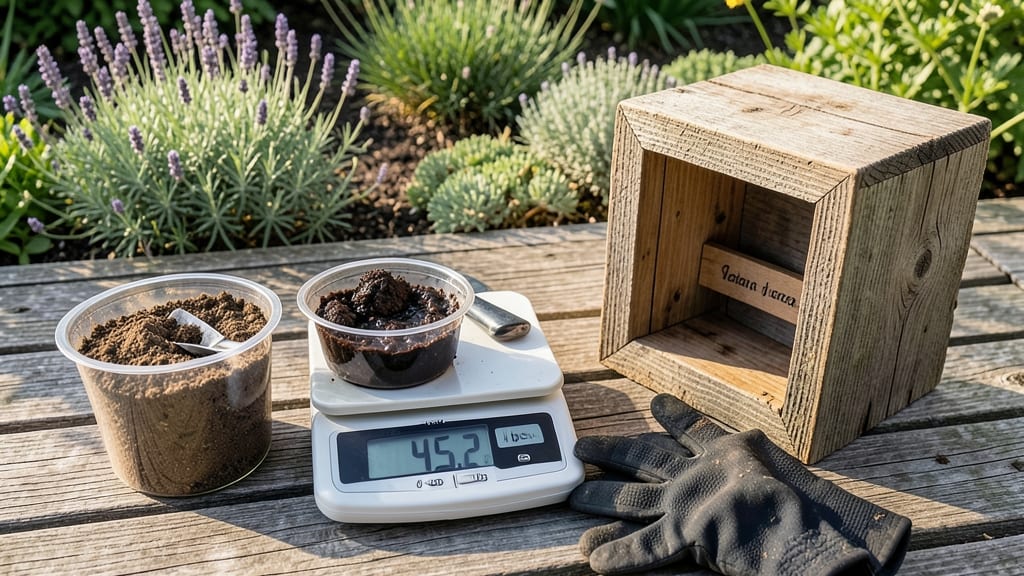
To determine how much 1 cubic foot of soil weighs, expect 40 to 120 pounds depending on its composition—sandy soil is lightest (~40 lbs), while clay-heavy or moist soil can exceed 100 lbs. Loam, the balanced gardening mix, typically weighs 60 to 80 lbs per cubic foot when dry. Adding moisture can nearly double the weight in saturated conditions.
Understanding soil weight matters more than you'd think, especially when planning garden beds or calculating load-bearing needs. 🌱 The difference between dry and saturated soil can be dramatic—imagine lifting a 40-pound bag of sand versus a 100-pound block of clay after rain.
For gardeners, this means adjusting irrigation practices to avoid compacting soil or overburdening raised beds. I always recommend testing soil moisture before heavy tasks, as even a small increase in water content can make a big difference in weight and workability.
Here's a practical tip: if you're moving soil for a project, measure its moisture level first. A simple squeeze test works—if it holds its shape, it's likely heavier than the dry weight estimates.
For precise calculations, consider using a moisture meter or consulting local soil reports, which often include weight density data for your region's common soil types.
💡 In This Article
- Soil Weight Variations by Composition and Moisture
- Practical Applications for Gardeners: Weighing Soil for Projects
Soil weight variations by composition and moisture
The weight of soil varies dramatically based on its particle composition and moisture content. Sandy soil, made up of large, loosely packed grains, weighs around 40 to 50 pounds per cubic foot when dry because its particles have minimal surface area for binding.
In contrast, clay soil—composed of tiny, tightly packed particles—can weigh 80 to 120 pounds per cubic foot due to its high density and ability to hold water between particles.
The difference lies in how these particles pack together: clay has 2.5 times the surface area of sand, allowing it to trap more water and organic matter, which adds significant weight.
Moisture is the game-changer here. A cubic foot of dry loam (the ideal gardening mix) typically weighs 60 to 80 pounds, but when saturated—like after heavy rain—it can swell to 100 to 140 pounds. This happens because water fills the pores between particles, increasing the overall mass.
For example, a 10% increase in moisture content can add 10 to 20 pounds to the weight of clay soil alone. 💧 Organic matter also plays a role: compost-amended soil may weigh slightly less than pure clay but retains more water, creating a heavier, stickier texture when wet.
Understanding these variations is critical for ergonomic safety and structural planning. Lifting a cubic foot of wet clay (nearly 120 pounds) is equivalent to carrying six 20-pound bags of flour—far beyond safe manual lifting limits.
Gardeners often underestimate this weight when building raised beds or moving soil, leading to back strain. Even for load-bearing structures like patios or pathways, compacted wet soil can exceed 150 pounds per cubic foot, requiring proper drainage and support.
Here’s a quick breakdown of how different soil types compare:
- Sandy soil: 40-50 lbs/cu ft (dry), 50-70 lbs/cu ft (moist)
- Loam (ideal mix): 60-80 lbs/cu ft (dry), 80-120 lbs/cu ft (saturated)
- Clay soil: 80-120 lbs/cu ft (dry), 100-140 lbs/cu ft (wet)
- Peat moss (organic): 20-30 lbs/cu ft (dry), 40-60 lbs/cu ft (moist)
The key takeaway? Moisture doubles the weight in many cases, and organic amendments like peat or compost can either lighten or stabilize the mix depending on their water-holding capacity. For precise projects, always test your soil’s moisture before estimating weight—your back (and your garden’s foundation) will thank you. 🌱