
Tools
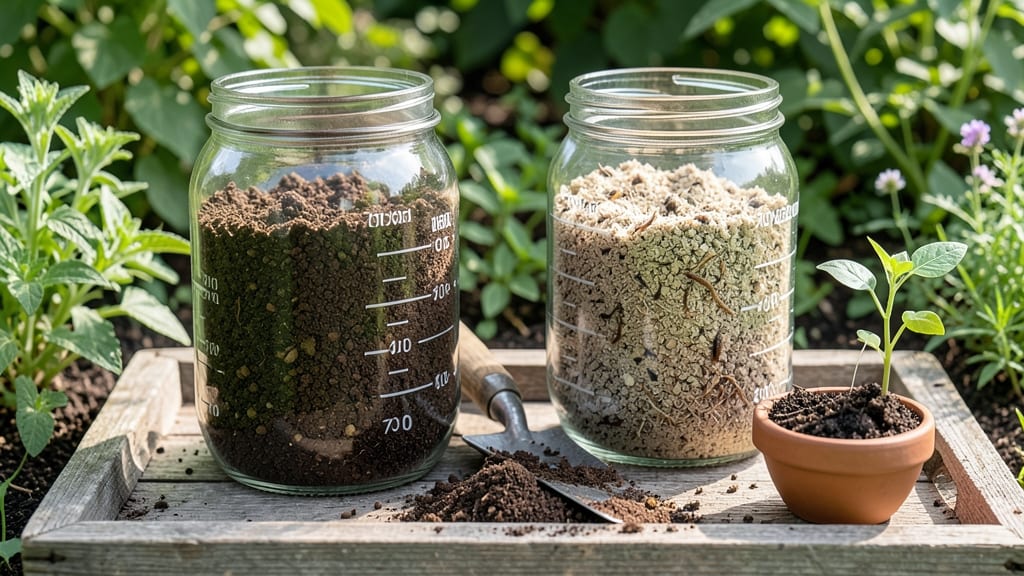
The ideal soil to compost ratio for vegetable gardens is 3 parts soil to 1 part compost for most vegetables, though leafy greens and root crops may need 2 parts soil to 1 part compost to prevent over-fertilization. Adjust ratios based on existing soil quality and plant type for optimal growth.
Finding the right balance between soil and compost is key to keeping your vegetable garden thriving. 🌱 Too much compost can overwhelm plants with nutrients, while too little won't improve soil structure enough.
I've seen firsthand how adjusting the mix for different crops—like using slightly more soil for root vegetables—can make all the difference in yield and plant health. Start with these ratios and tweak as you observe how your plants respond.
This ratio isn't just about nutrients—it's about creating the perfect environment for roots to grow. Compost adds organic matter that improves aeration and water retention, while the existing soil provides stability.
For example, heavy clay soils might need more compost to loosen up, while sandy soils could benefit from a slightly higher soil ratio to hold moisture better. Testing your soil's pH and nutrient levels can help fine-tune the perfect blend for your specific garden conditions.
💡 In This Article
- How Compost Improves Vegetable Garden Soil Structure
- Adjusting Compost Ratios for Different Vegetable Types
How compost improves vegetable garden soil structure
Compost works like nature's soil conditioner by transforming dense, compacted soil into a loose, crumbly texture that roots can easily penetrate. The organic matter in compost contains 20-40% organic carbon, which binds to minerals and creates stable aggregates—those tiny clumps you see in healthy soil.
These aggregates improve aeration by creating tiny air pockets (up to 30% more oxygen in well-amended soil), while also increasing water retention through capillary action, holding 10-20% more moisture than unamended soil.
The texture of your compost matters—fine, well-decomposed compost blends seamlessly into soil, while coarse chunks create larger voids that improve drainage but may require more mixing. For example, worm castings (a premium compost) have a 50% higher microbial population than average compost, which breaks down nutrients into plant-available forms immediately.
This is why your tomatoes might show 25% faster growth when grown in soil amended with worm castings compared to regular compost.
Microbial activity is where the magic happens. A single teaspoon of healthy compost can contain 1 billion beneficial bacteria and 100 million fungi, which decompose organic matter and release nutrients in forms plants can absorb.
These microbes also produce glomalin, a sticky glycoprotein that acts like natural superglue, binding soil particles into stable structures. Over time, this process creates a self-sustaining ecosystem where plants thrive with minimal additional fertilizer.
Long-term benefits include improved cation exchange capacity (CEC), which helps soil hold onto essential nutrients like nitrogen, phosphorus, and potassium. Well-amended soil can maintain 50% more nutrients during heavy rainfall compared to unamended soil.
The organic matter also acts as a slow-release fertilizer, providing steady nutrition without the risk of burning plants that comes from synthetic fertilizers. This is why your spinach might develop darker green leaves and thicker stems when grown in compost-amended soil.
One common mistake is using fresh, unfinished compost that's still breaking down. This can create hot spots where decomposition heats up, potentially damaging plant roots.
Always use fully decomposed compost with a dark brown color and earthy smell—think of it as the difference between fresh coffee grounds and well-aged compost tea. The right texture should resemble dark, crumbly potting soil rather than chunks of wood or recognizable food scraps.
For visual reference, imagine holding a handful of your amended soil—it should feel light yet moist, like a well-worn sponge that springs back when squeezed. This ideal texture supports root growth while preventing compaction.
Over time, your soil will develop a richer, darker hue and sweet, earthy aroma that signals improved fertility and structure. 🌱