
How To
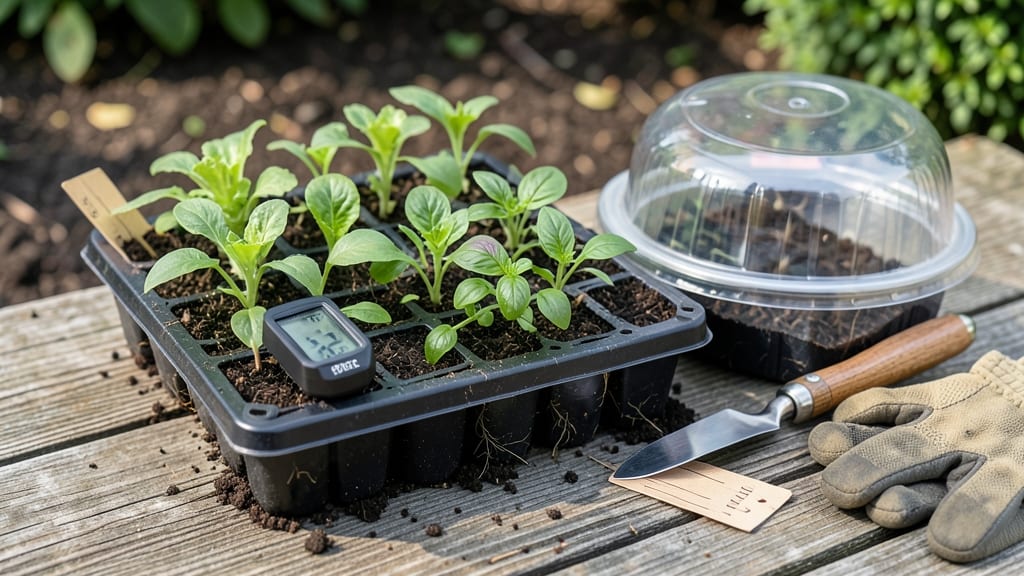
Checking soil temperature for planting is essential: most vegetables need 60-75°F, cool-season crops like peas and lettuce thrive at 40-50°F, and warm-season plants like tomatoes require soil above 65°F before planting. Always verify with a soil thermometer, especially during transitional spring or fall seasons.
Soil temperature isn't just about warmth—it's about creating the perfect environment for seeds to wake up and roots to stretch. 🌱 When soil is too cold, seeds may rot instead of sprouting, while warm soil speeds up germination but can dry out delicate seedlings.
I've learned that even a 5°F difference can mean the difference between a thriving garden and wasted effort. For example, spinach germinates best at 45°F, while cucumbers won't even think about sprouting until the soil hits 70°F.
The key is matching your plants' native climate preferences to your garden's conditions.
Seasonal shifts make this even trickier. Early spring often brings unpredictable soil temps—what feels warm to your hands might still be 10°F too cold for warm-season crops. That's why I always check soil temperature at 6 inches deep (where most roots form) rather than surface temps.
A soil thermometer is your best friend here—it's the only way to know for sure whether your garden is truly ready for planting.
💡 In This Article
- How Soil Temperature Affects Seed Germination and Root Growth
- Seasonal Soil Temperature Charts for Common Garden Plants
How soil temperature affects seed germination and root growth
Soil temperature directly controls the metabolic activity inside seeds through enzymes like amylase and protease, which break down stored nutrients for germination. At 40°F, these enzymes work sluggishly, delaying sprouting—this is why cool-season crops like broccoli and kale germinate best at 45-55°F.
When soil reaches 70-80°F, enzyme activity peaks, accelerating growth but potentially causing seedlings to bolt (flower prematurely) in heat-sensitive varieties. The root zone (6 inches deep) is particularly critical because cooler temperatures here can trigger rot in germinating seeds.
Root development follows similar temperature rules: warm-season plants like peppers and eggplants need soil above 65°F to form strong root systems, while cool-season herbs such as dill thrive at 50-60°F.
The soil's microbial ecosystem also shifts with temperature—beneficial bacteria and fungi become more active at 60°F+, aiding nutrient uptake, but cold soil (50°F or below) can suppress these microbes, leaving roots vulnerable to disease.
For example, tomatoes planted in 55°F soil may develop "cold feet," where roots fail to anchor properly, leading to weak stems.
What most gardeners overlook is how temperature gradients affect germination timing. A 10°F difference can mean the difference between seeds sprouting in 5 days (ideal temp) versus 3 weeks (too cold). This is why seed packets often list "days to germination" at specific temperatures—those numbers rely on precise soil warmth.
For instance, basil seeds germinate in 7-14 days at 70°F but may never sprout if soil stays below 60°F. 🌱 Understanding this helps explain why some seeds rot in cold, damp soil instead of germinating.
Plant families also have distinct temperature preferences: Brassicas (cabbage, radishes) prefer 50-60°F, while Solanaceae (tomatoes, peppers) demand 70°F+. Even within families, varieties differ—early-maturing lettuce can tolerate 45°F, but butterhead types may struggle below 50°F.
This variation is why gardeners in Zone 5 often start cool-season crops in late summer for fall harvests, when soil temps drop naturally. The key is matching the plant's native climate to your microclimate.
Cold soil doesn't just slow growth—it can trigger physiological stress. For example, carrots planted in 45°F soil may develop "forking" (split roots) due to uneven germination, while beans in 50°F soil often rot because their seeds require 65°F to activate protective enzymes.
The solution? Use black plastic mulch to raise soil 5-10°F faster in spring, or plant cold-tolerant varieties like spinach (40-50°F) before warm-season crops. A soil thermometer reveals these hidden risks before they become problems.
Even after germination, root growth is temperature-sensitive. Warm-season crops like cucumbers need 70°F+ soil to develop their extensive fibrous roots, while cool-season onions thrive at 55-65°F. The root zone's temperature affects water absorption—cold soil reduces capillary action, making plants more drought-prone.
This is why raised beds warm up 2-3 weeks earlier than in-ground soil: the elevated position exposes roots to more sunlight and air circulation, creating a faster-moving thermal environment. 🔥