
Size
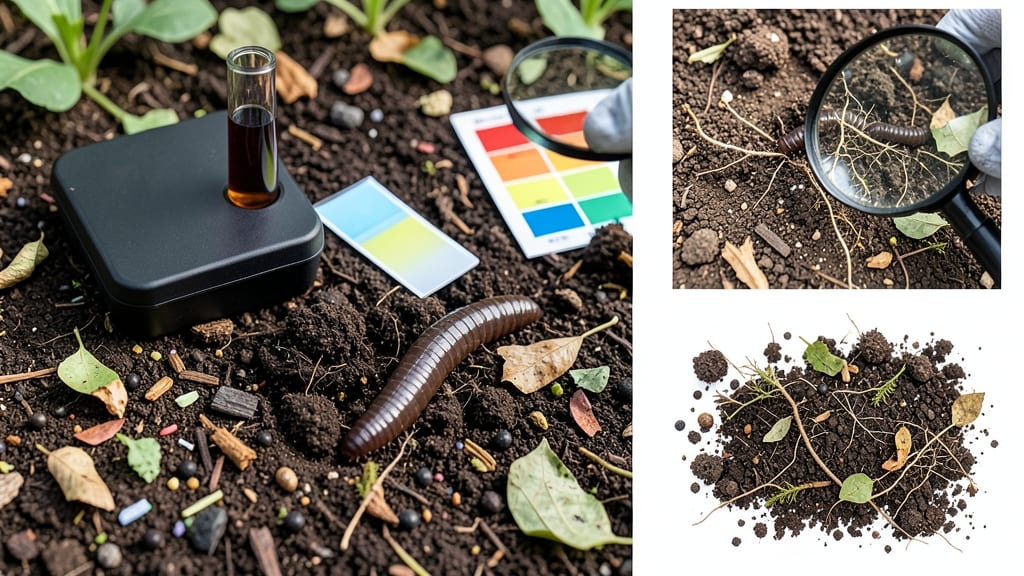
Soil doesn't grow plants by itself, but it acts as a living ecosystem that supplies the nutrients, moisture, and physical support plants need to thrive when combined with sunlight and organic matter.
Soil is like the foundation of plant life—it doesn't create growth on its own, but it holds the key ingredients that make it possible. 🌱 The right mix of minerals, organic material, and microorganisms works together to feed roots, regulate water flow, and even improve air circulation in the soil.
Without healthy soil, plants struggle to access the building blocks they need, no matter how much sunlight they get.
Think of it this way: soil is the kitchen where plants prepare their meals.
It breaks down organic matter into usable nutrients while maintaining the perfect balance of moisture and aeration. Loamy soil, for example, combines the best of sandy and clay textures, creating an ideal environment for most plants to establish strong root systems and absorb what they need efficiently.
💡 In This Article
- How Soil Composition Affects Plant Growth
- Improving Soil for Optimal Plant Growth
How soil composition affects plant growth
Soil composition determines whether plants can access the three primary nutrients they need to grow: nitrogen (N), phosphorus (P), and potassium (K).
These elements act like vitamins for plants—nitrogen fuels leafy green growth, phosphorus strengthens roots and flowers, while potassium regulates water balance and disease resistance.
For example, a soil test showing low nitrogen (below 20 ppm) will result in stunted, yellowing leaves, while high phosphorus (above 100 ppm) promotes vigorous flowering but may cause calcium deficiencies in tomatoes. 🌱
The soil's texture—whether it's sandy, clay-heavy, or the ideal loamy mix—directly impacts how well roots can spread and absorb water. Sandy soil drains too quickly, forcing plants to work harder to retain moisture, while clay soil compacts easily, suffocating roots and limiting oxygen flow.
Loamy soil, with its balanced 25-40% sand, 20-30% silt, and 20-30% clay, provides the perfect balance: it holds moisture without drowning roots while allowing air circulation. This texture also supports beneficial microbes that break down organic matter into plant-available nutrients.
Microorganisms in healthy soil—like bacteria, fungi, and earthworms—perform critical functions, such as decomposing organic matter into usable nutrients and creating channels for water and oxygen. A single teaspoon of fertile soil can contain billions of these tiny workers!
For instance, mycorrhizal fungi form symbiotic relationships with plant roots, extending their reach by up to 100 times and increasing nutrient uptake efficiency. Without this microbial activity, even nutrient-rich soil would fail to support robust plant growth. 🔬
pH levels also play a crucial role in nutrient availability. Most plants thrive in slightly acidic to neutral soil (pH 6.0-7.0), but some—like blueberries—require highly acidic conditions (pH 4.5-5.0).
At extreme pH levels, essential nutrients like iron or calcium become locked away in the soil, making them inaccessible to plants. For example, in alkaline soil (pH 7.5+), iron deficiency can cause yellowing between leaf veins, even if the soil appears rich in organic matter.
Consider the case of vegetable gardens: tomatoes grown in soil with a pH of 6.5 will absorb calcium efficiently, preventing blossom-end rot, while the same plants in soil with a pH of 8.0 may suffer from calcium deficiency despite identical fertilizer applications.
This is why soil testing is essential—it reveals not just nutrient levels but also the hidden factors like pH and microbial activity that determine whether those nutrients are actually usable by plants. 💫