
Vegetables
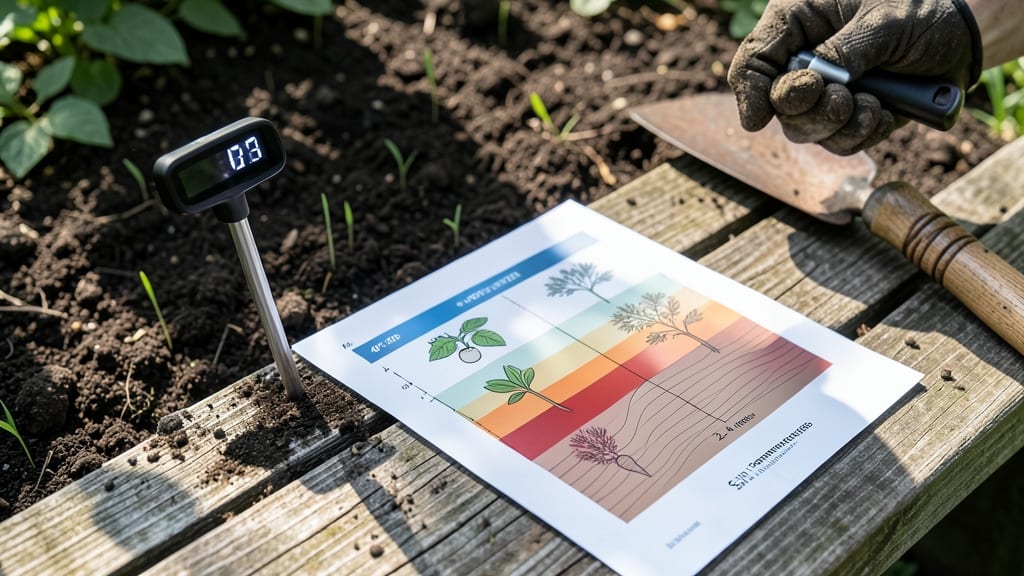
A soil temperature chart for planting vegetables shows cool-season crops like broccoli and spinach need 40–60°F soil, while warm-season varieties such as tomatoes and peppers thrive in 60–85°F soil. Always verify exact ranges for your specific vegetables before planting seeds or seedlings.
Understanding these temperature ranges is crucial because soil warmth directly impacts seed germination rates and root development. 🌱 For example, lettuce seeds may take weeks to sprout in cold soil, while tomatoes planted too early will simply rot underground.
I recommend using a soil thermometer to monitor conditions—especially in spring or fall when temperatures fluctuate daily. Many gardeners also use black plastic mulch to warm soil faster for heat-loving crops.
What's interesting is how regional climates affect these thresholds. In Zone 5, you might plant warm-season crops in late May when soil hits 65°F, while in Zone 9, those same vegetables could go in as early as February.
The key is matching your local frost dates with these temperature guidelines to avoid stunted growth or failed harvests.
💡 In This Article
- How Soil Temperature Affects Vegetable Germination and Growth
- Best Vegetables to Plant by Soil Temperature Zones
How soil temperature affects vegetable germination and growth
Soil temperature directly influences seed germination through enzyme activity in the seed itself. Most vegetable seeds require specific temperature ranges to activate enzymes that break down stored nutrients, allowing the seedling to emerge.
For example, cool-season crops like peas and spinach need soil temps between 40–60°F because their enzymes function optimally in cooler conditions. Warm-season crops such as tomatoes and peppers, however, need 60–85°F soil to trigger germination—below 55°F, their seeds may rot before sprouting. 🌱
The microbial ecosystem in the soil also responds to temperature changes. Beneficial bacteria and fungi that help break down organic matter and release nutrients become more active in warmer soil.
This microbial boost is why warm-season crops grow faster in ideal conditions—roots can absorb nutrients more efficiently when soil temps are above 65°F. Conversely, cold soil slows microbial activity, which can delay nutrient availability and stunt early growth in cool-season plants.
Root development is another critical factor tied to soil temperature. Warm soil encourages faster root elongation and branching, which improves a plant's ability to anchor itself and absorb water. For instance, tomato roots grow 30% faster in 75°F soil compared to 60°F soil.
In contrast, cool-season crops like lettuce develop shallow, fibrous roots that thrive in cooler conditions, allowing them to access moisture near the surface where it's more available. Planting warm-season crops too early can lead to "chilling injury," where roots blacken and die due to cellular damage.
Temperature also affects crop maturity rates. Warm-season vegetables like peppers and cucumbers mature 2–3 weeks faster in optimal soil conditions compared to cooler environments. This is why gardeners in warmer climates can harvest earlier in the season.
Conversely, cool-season crops like broccoli and cabbage may bolt (flower prematurely) if soil temps rise above 70°F, turning bitter and inedible. The balance between temperature and growth stage is delicate—too hot or too cold at the wrong time can derail an entire harvest. ✨
Seasonal fluctuations add another layer of complexity. In spring, soil warms gradually, and gardeners often use techniques like row covers or black plastic mulch to raise temperatures 5–10°F faster. Similarly, in fall, extending the growing season with cold frames can keep soil temps in the ideal range for late-season crops.
Understanding these dynamics helps you time plantings precisely, avoiding common pitfalls like slow germination or weak seedlings.
Even within crop types, varieties can have slightly different temperature preferences. For example, some pepper varieties tolerate cooler soil (55°F) better than others, which need 70°F or higher.
Always check seed packets or plant tags for specific recommendations—this small detail can mean the difference between a thriving plant and a failed crop. 💫