
How To
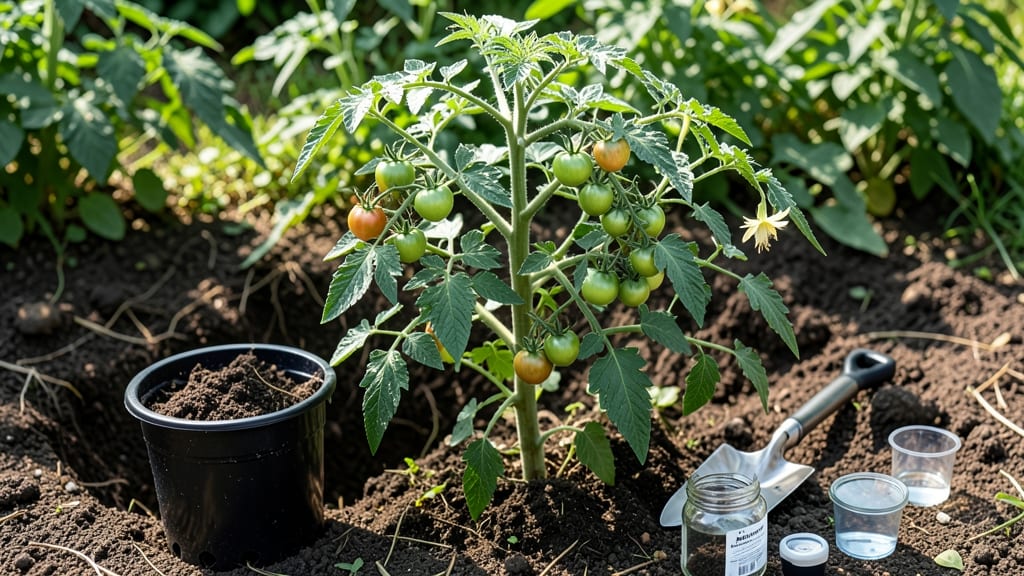
Your plant's roots will either thrive or suffocate based on one simple choice: in-ground soil or potting mix. 🌱 The wrong pick leads to waterlogged roots, nutrient starvation, or plants that struggle to establish—yet most gardeners don't realize how fundamentally different these two growing mediums behave.
I've seen tomatoes drown in "improved" garden soil and basil bolt in containers because the mix was too dense.
In-ground soil is nature's slow-release system—rich in organic matter over time but prone to compaction and poor drainage unless amended. Potting soil, on the other hand, is engineered for instant performance: lightweight, airy, and packed with nutrients that plants can access immediately.
The tradeoff? It dries out faster and costs more per cubic foot.
For vegetables like tomatoes, peppers, and root crops, amended in-ground soil gives roots room to spread naturally and stores moisture better. Container plants—herbs, lettuce, and compact varieties—demand the fast-draining, nutrient-rich blend of potting mix that mimics ideal growing conditions.
The key is matching the medium to the plant's needs, not just grabbing whatever's cheapest.
Here's the game-changer: most gardeners mix the two. Use potting soil for containers and seed starting, then improve your garden beds with compost and organic matter to get the best of both worlds. Your plants will reward you with stronger stems, deeper roots, and fewer struggles—no matter where they grow.
The first product explained
Meet Miracle-Gro Garden Soil for In-Ground Planting—your go-to companion for transforming bare patches into lush, thriving gardens! 🌱✨ This premium blend is designed specifically for in-ground planting, making it a favorite among home gardeners, landscapers, and DIY enthusiasts who want effortless results without the guesswork.
📏 Key Specs & Features
This 40-pound bag of Miracle-Gro Garden Soil is packed with everything your plants need to flourish:
- Perfect blend: Combines compost, peat moss, and sand for ideal drainage and aeration—no soggy roots here!
- Nutrient-rich: Infused with slow-release fertilizer to feed plants for up to 3 months, reducing the need for frequent feedings.
- pH-balanced: Formulated to 6.0–6.5 pH, perfect for most vegetables, flowers, and shrubs.
- Organic matter: Contains 30% organic content, improving soil structure and moisture retention.
- Easy to use: Lightweight and pre-mixed, so you can just dig, fill, and plant—no extra prep required!
🎯 Who’s It For?
This soil is a game-changer for:
- 🌿 Home gardeners looking to boost their yard or vegetable patch with minimal effort.
- 🏡 Landscapers and DIYers who need a reliable, high-quality soil amendment for new plantings or renovations.
- 🌻 Plant parents (yes, that’s a real thing!) who want to give their flowers, shrubs, and perennials the best start.
- 🚜 Eco-conscious users who appreciate a sustainable option that reduces waste and chemical runoff.
💰 Price Point & Value
Priced at $12.97 for a 40-pound bag (or around $0.32 per pound), this soil offers exceptional value. While it’s a slight investment upfront, the long-term benefits—like healthier plants, reduced watering needs, and fewer fertilizers—make it a cost-effective choice for serious gardeners.
Pro tip: 💡 Buy in bulk if you’re tackling a large project—many retailers offer discounts on multi-packs!
The second product explained
Meet Miracle-Gro Performance Organics All Purpose In-Ground Soil—your plant’s dream come-up! 🌱✨ This premium blend is designed to give your garden the ultimate boost, whether you're planting flowers, shrubs, or veggies directly into the ground. Let’s break down what makes it a standout choice for serious gardeners.
📏 Specs & Features
This 40-pound bag of organic soil is packed with 50% compost, ensuring rich nutrients and improved soil structure. Key features include:
- Organic matter-rich: Enhances root development and water retention.
- Slow-release nutrients: Feeds plants for up to 3 months, reducing the need for frequent fertilizing.
- pH-balanced: Optimized for most plants (6.0–7.5 range).
- Lightweight yet dense: Easy to work with but holds moisture without compacting.
- Certified OMRI Listed: Safe for organic gardening.
🎯 Target Users
This soil is perfect for:
- Home gardeners: Ideal for flower beds, vegetable patches, or shrubbery.
- Eco-conscious plant lovers: Organic ingredients align with sustainable practices.
- Beginner-friendly: Pre-mixed and nutrient-dense, so no guesswork is needed.
- Urban gardeners: Great for raised beds or in-ground planting in small spaces.
💰 Price Point & Value
Priced at $18.97 for a 40-pound bag, this soil offers exceptional value. While slightly higher than basic in-ground mixes, the long-term benefits—like healthier plants and reduced fertilizer needs—make it a cost-effective investment. Plus, one bag covers approximately 2 cubic feet, so it’s efficient for larger projects.
Pro tip: 💡 Mix this soil with your existing garden soil (50/50 ratio) for an even more customized blend tailored to your local climate!
Head-to-head comparison
Now that you understand the basics of in-ground soil and potting soil, let’s dive into a detailed side-by-side comparison to help you decide which is best for your gardening needs.
Whether you're planting a sprawling vegetable garden or nurturing a cozy indoor herb collection, knowing the differences will make all the difference! 🌱🔍
📊 Performance: Drainage, Aeration, and Root Growth
Performance is where the two soils truly shine—or fail—in different ways. Here’s how they stack up:
- Drainage:
- In-Ground Soil: Naturally varies by location, but it often drains slowly due to clay or compacted layers. Sandy soils drain too quickly, while loamy soils strike a balance. Amendments (like compost or perlite) can improve drainage, but it’s not always consistent.
- Potting Soil: Designed for optimal drainage with added perlite, vermiculite, or coconut coir. Most blends include holes or moisture-control additives to prevent root rot while retaining enough water for plants.
- Aeration:
- In-Ground Soil: Can become compacted over time, reducing oxygen flow to roots. Heavy foot traffic or machinery worsens this. Aerating tools or organic matter (like mulch) help, but it’s a manual process.
- Potting Soil: Lightweight and highly aerated by design, thanks to ingredients like peat moss or bark. Roots thrive in this loose, airy environment, reducing stress on plants.
- Root Health:
- In-Ground Soil: Roots can spread freely in natural soil, but they’re vulnerable to pests (like grubs or gophers) and soil-borne diseases. Nutrient availability depends on the soil’s composition.
- Potting Soil: Roots grow in a controlled, sterile environment, which minimizes pests and diseases. However, containerized plants may experience root binding if the pot is too small, restricting growth.
🎯 Features: Composition and Customization
What’s actually in the soil makes a huge difference in how plants perform. Let’s break down the key features:
| Feature | In-Ground Soil | Potting Soil |
|---|---|---|
| Primary Ingredients | Natural minerals (sand, silt, clay), organic matter, and local microbes. Composition varies by region. | Peat moss, coconut coir, perlite, vermiculite, compost, and sometimes synthetic fertilizers. Often sterilized to kill weeds/seeds. |
| Nutrient Content | Nutrients are slow-release and depend on decomposition. May lack essential micronutrients without amendments. | Often enriched with slow-release fertilizers (like osmocote) or organic matter for immediate plant needs. |
| pH Balance | Varies widely (acidic to alkaline). Testing and amendments (lime or sulfur) are often needed for specific plants. | Typically balanced for general use (pH 6.0–7.0), but specialty blends exist for acid-loving plants (e.g., azaleas) or succulents. |
| Customization | You can amend it with compost, sand, or fertilizer, but it’s a labor-intensive process. | Pre-mixed for specific plants (e.g., cactus soil, seed-starting mix, or houseplant blend). Easy to swap out for different needs. |
💰 Price: Cost-Effectiveness and Long-Term Value
Your wallet will notice the difference between these two soils. Here’s the breakdown:
- In-Ground Soil:
- Free or low-cost if you’re using your existing yard soil. However, you may need to test and amend it, adding up costs for compost, fertilizer, or soil conditioners.
- Best for large-scale gardening where buying bags of potting soil isn’t practical.
- Pro Tip: 💡 If your soil is poor, consider raised beds—they let you control the soil mix without breaking the bank!
- Potting Soil:
- Costs $3–$10 per 2–4 cubic feet bag, depending on quality and additives. Premium blends (like worm castings or hydroponic mixes) can run higher.
- Ideal for small spaces, containers, or seed starting, where convenience outweighs cost.
- Pro Tip: ✨ Buy in bulk if you’re a frequent container gardener—store-bought mixes last longer than in-ground soil amendments.
⏳ Durability: Longevity and Maintenance
How long will your soil stay effective? Durability matters for both short-term projects and long-term gardens.
- In-Ground Soil:
- Lasts years but requires regular maintenance:
- Add compost annually to replenish nutrients.
- Test pH and amend as needed (e.g., lime for acidic soil).
- Watch for compaction—tilling or adding organic matter helps.
- Susceptible to erosion in rainy climates or dustiness in dry areas.
- Lasts years but requires regular maintenance:
- Potting Soil:
- Degrades faster—typically 1–2 growing seasons before nutrients diminish. Sterility wears off as microbes colonize.
- Requires fresh soil every 1–2 years for container plants to prevent nutrient depletion.
- Pro Tip: 🌡️ Extend its life by top-dressing with compost or using slow-release fertilizers!
🌿 Best Uses: When to Choose Each
Not sure which soil is right for your project? Here’s a quick guide:
| Use Case | Best Choice | Why? |
|---|---|---|
| Vegetable gardens, perennials, shrubs | In-Ground Soil (amended) | Roots can spread naturally, and you avoid the cost of repotting. |
| Container plants (herbs, succulents, flowers) | Potting Soil | Ensures proper drainage and nutrient balance in a controlled space. |
| Seed starting | Potting Soil
Which one should you choose?So, you’ve weighed the pros and cons, compared the drainage, nutrients, and root health—now it’s time to make the call! 🌱 The best choice between in-ground soil and potting soil depends entirely on your project, plants, and long-term goals. Here’s a clear verdict to help you decide: 🏡 Choose In-Ground Soil If...
🏺 Choose Potting Soil If...
💡 Pro Tip for Hybrid Solutions:Can’t decide? Mix them! For raised beds or large containers, blend 50% in-ground soil (for structure) with 50% potting soil (for nutrients). This balances cost, drainage, and long-term health—best of both worlds! 🌍✨ Remember: Soil isn’t one-size-fits-all. Test your native soil (many garden centers offer kits for $10–$20), observe your plants’ needs, and don’t hesitate to experiment. Happy planting! 🌱💚 |