
Neem Oil
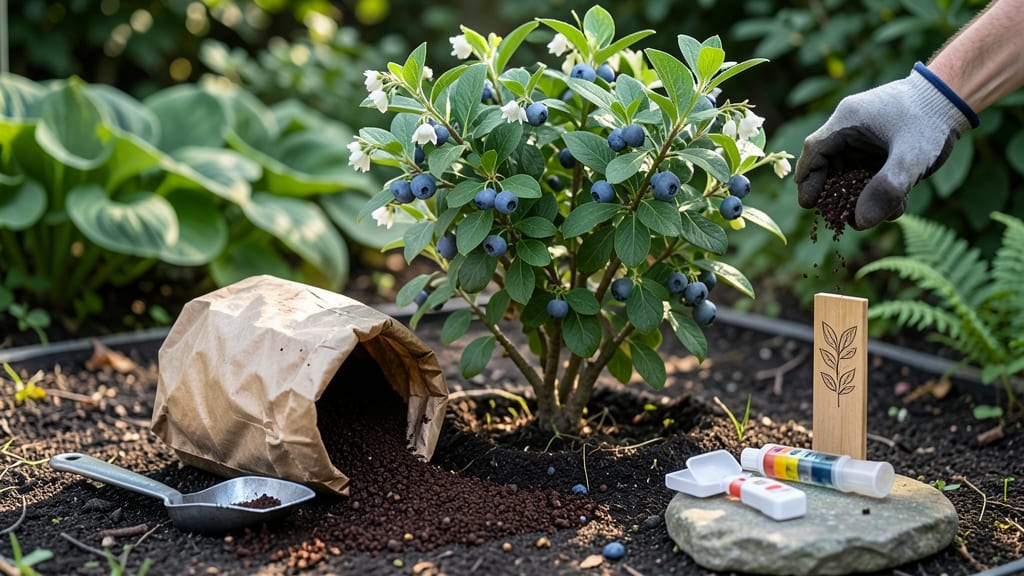
Yes, coffee grounds make soil acidic by lowering pH levels slightly, typically between 6.2 and 6.8, depending on brewing method and composting. Their acidic nature benefits acid-loving plants like blueberries and hydrangeas but may harm alkaline-sensitive crops like asparagus or rhubarb when overused.
Coffee grounds contain natural compounds like chlorogenic and quinic acids that react with soil microbes, gradually releasing hydrogen ions.
This chemical process lowers pH over time, but the effect varies based on whether you use fresh grounds or composted ones. 🌱 For instance, fresh grounds decompose faster, releasing acidity quicker, while composted grounds provide a slower, more balanced release.
The brewing method also plays a role—cold brew grounds tend to be less acidic than hot-brewed ones.
What's often overlooked is how these grounds interact with your garden's existing soil. While they're great for acid-loving plants, overuse can create nitrogen imbalances or even promote fungal growth.
I recommend mixing them into compost piles rather than applying directly to soil, which helps moderate the acidity while adding valuable organic matter.
💡 In This Article
- How Coffee Grounds Alter Soil pH Chemistry
- Best Practices for Using Coffee Grounds in Gardens
How coffee grounds alter soil pH chemistry
The acidity in coffee grounds comes from two key organic compounds: chlorogenic acid (about 5-8% of coffee beans) and quinic acid, both of which break down during decomposition.
When these acids decompose, they release hydrogen ions (H⁺) into the soil, which directly lowers the pH. Think of it like adding lemon juice to water—it doesn't change the water's nature, but it shifts its balance toward acidity.
Fresh coffee grounds are more acidic (pH ~4.5-5.5) because they haven't started breaking down yet, while composted grounds (pH ~6.0-6.5) have already released some of their acidity through microbial action. 🔥
Brewing method significantly impacts how acidic the grounds become. Hot-brewed grounds (like from drip coffee makers) tend to be slightly more acidic because the heat accelerates the extraction of these compounds. Cold-brew grounds, on the other hand, retain more of their natural oils and have a milder acidity profile.
The decomposition rate also matters—fresh grounds can lower soil pH by up to 1 point within 2-4 weeks, while composted grounds take 2-3 months to show similar effects. This is why gardeners often prefer using composted coffee grounds for gradual soil amendment.
The chemical reaction doesn't stop at just lowering pH. Coffee grounds also introduce nitrogen (about 2% by weight) and phosphorus, which feed soil microbes. These microbes then further break down the organic matter, creating a feedback loop that maintains the acidic environment.
However, this process can become problematic if overdone—too much nitrogen can create a "burnt" effect on plants, similar to over-fertilizing. The key is balance: using coffee grounds as just one component in a diverse compost mix helps stabilize the soil's chemistry. ✨
What most gardeners don't realize is that coffee grounds' acidity effect is temporary unless continually replenished. Over time, soil naturally buffers against pH changes, especially in clay-heavy soils.
That's why I recommend mixing coffee grounds with other organic materials like wood chips or leaf mold—this creates a more stable environment where the acidity is moderated by the soil's existing mineral content.
For example, sandy soils (which have low buffering capacity) will show more dramatic pH changes than loamy soils.
One fascinating aspect is how these grounds interact with soil minerals. The hydrogen ions released during decomposition can displace calcium and magnesium ions in the soil, which are essential nutrients for plants.
This displacement is why coffee grounds can make certain nutrients less available to plants that prefer neutral or alkaline conditions. The result? Plants like blueberries thrive, but vegetables like tomatoes may struggle unless you supplement with additional calcium sources like crushed eggshells. 💫
To visualize the impact, consider this comparison: A single cup of fresh coffee grounds (about 20g) can lower the pH of 1 gallon of soil by approximately 0.2-0.5 points over 4 weeks.
While this might seem minor, for acid-loving plants, even small shifts in pH can make a big difference in nutrient uptake. For instance, hydrangeas need pH below 6.0 to produce blue flowers, while coffee grounds can help maintain that ideal range when used consistently.