
How To
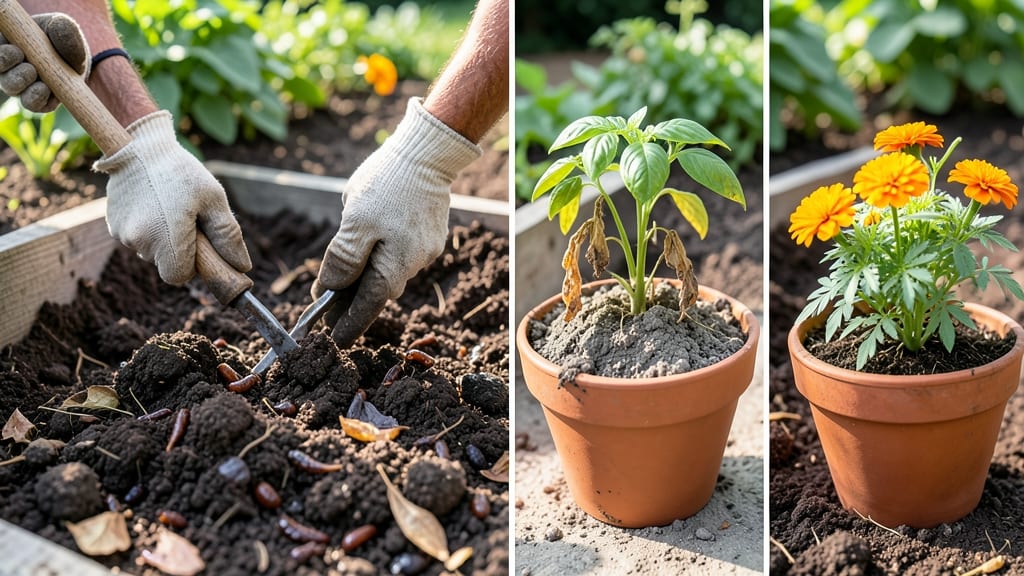
Soil amendment is the process of enhancing garden soil by incorporating organic materials like compost or inorganic substances such as sand and lime, which improve texture, nutrient availability, and water retention for healthier plant growth.
This practice essentially acts like a soil "tune-up," addressing specific problems like heavy clay or sandy soil that drain too quickly. 🌱 For example, compost adds vital microbes and nutrients, while perlite creates air pockets for roots to breathe.
I’ve found that amending soil in early spring or fall gives plants the best head start, especially in urban gardens where soil quality often suffers from poor drainage or lack of organic matter.
What’s interesting is how different amendments solve distinct issues—like using gypsum to break up compacted clay or sulfur to lower pH in overly alkaline soil.
The key is testing your soil first to diagnose what it truly needs, because throwing a mix of everything at it can sometimes do more harm than good.
💡 In This Article
- How Soil Amendments Work to Enhance Plant Growth
- Choosing the Right Soil Amendment for Your Garden Problems
How soil amendments work to enhance plant growth
Soil amendments act like a biological and physical upgrade for your garden's foundation. When you add organic materials like compost or aged manure, you're introducing a thriving ecosystem of microbes, fungi, and beneficial bacteria. These organisms break down organic matter into nutrients plants can absorb, like nitrogen, phosphorus, and potassium.
For example, compost improves soil structure by creating tiny air pockets that enhance root respiration, while also holding moisture better than bare soil. The microbial activity alone can increase nutrient availability by up to 30% compared to unamended soil.
Inorganic amendments like sand or perlite work differently—they physically alter soil texture. Sandy soil, which drains too quickly, benefits from organic matter to retain moisture, while clay soil needs coarse materials to prevent compaction.
Lime, another common amendment, adjusts pH levels by neutralizing acidity, making nutrients like iron and manganese more accessible to plants. For instance, blueberries thrive in acidic soil (pH 4.5-5.5), but most vegetables prefer a neutral pH (6.0-7.0).
The right amendment can shift your soil's pH by 1-2 points in just a few months.
One of the most fascinating aspects is how amendments create a feedback loop for plant health. When roots access nutrients more efficiently, they grow stronger and produce more organic matter through root exudates—natural sugars and acids that feed soil microbes. This cycle continues, creating a self-sustaining environment.
For example, adding worm castings not only provides nutrients but also introduces thousands of beneficial worms that aerate the soil naturally. The result? Plants develop deeper root systems, resist diseases better, and produce higher yields.
However, not all amendments are created equal.
Organic materials like peat moss or coconut coir improve water retention but can acidify soil over time, while inorganic amendments like gypsum (calcium sulfate) help break up clay without altering pH. The key is understanding your soil's current condition—whether it's too dense, too sandy, or nutrient-poor—and selecting amendments that address those specific needs.
A simple soil test can reveal whether your garden needs more organic matter, better drainage, or pH adjustment.
Consider the case of a vegetable garden with compacted clay soil. Adding 2-3 inches of compost and 10% coarse sand by volume can transform the soil's texture within a season. The compost introduces microbes and nutrients, while the sand creates channels for water and air movement.
Over time, this combination can reduce compaction by up to 50%, allowing roots to penetrate deeper and access nutrients more efficiently. The visual difference is striking—what was once a hard, cracked surface becomes a loose, crumbly medium that cradles plant roots.
What many gardeners overlook is the timing of amendments. Organic materials like compost work best when worked into the soil 3-6 months before planting, giving microbes time to break it down.
Inorganic amendments like lime or sulfur can be applied in early spring or fall, but their effects may take 2-3 months to fully stabilize. This is why fall is often the ideal time to amend—it gives the soil a head start before the growing season begins.
Ultimately, soil amendments are about creating the perfect growing environment for plants. Whether you're dealing with poor drainage, nutrient deficiencies, or soil that's too heavy or too light, the right combination of amendments can transform your garden's productivity.
The science behind it is straightforward: healthier soil equals healthier plants, and the results speak for themselves in stronger stems, lush foliage, and bountiful harvests. 🌱