
Vegetables
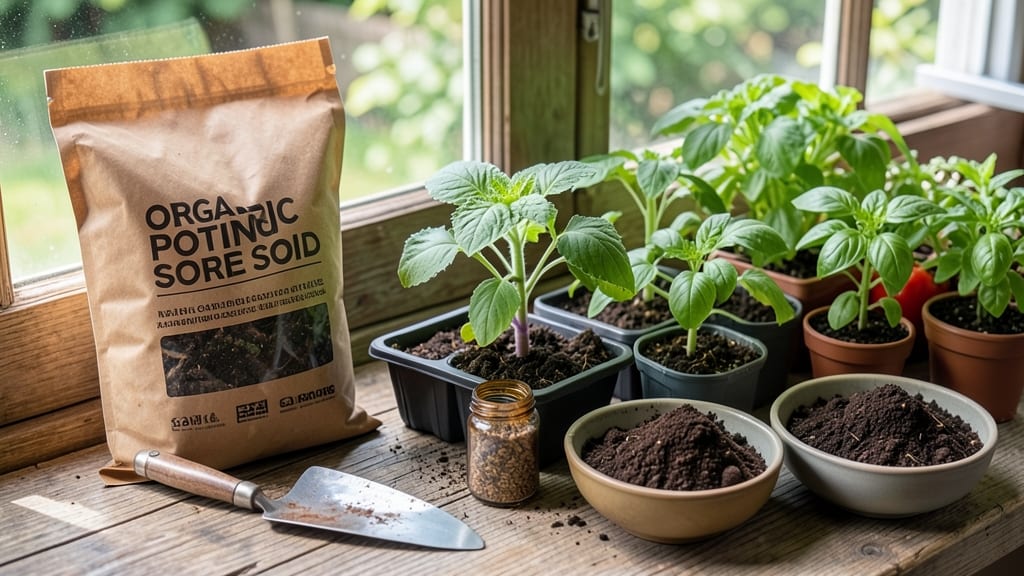
You can use potting soil for vegetables, but it requires careful amendments to prevent nutrient deficiencies that stunt growth or reduce yields. The light, fast-draining nature of potting mixes makes it unsuitable for long-term vegetable cultivation without adding compost or fertilizer.
Potting soil is designed for short-term plant growth in containers, not the nutrient demands of vegetables. 🌱 The problem? It lacks the organic matter and microbial activity that garden soil naturally provides—key for feeding root systems and supporting robust growth.
For example, leafy greens like lettuce might survive in unamended potting soil, but root crops like carrots will struggle without proper soil structure and nutrients. The solution?
Mix in one-third compost or worm castings to restore organic matter, and consider adding a slow-release fertilizer to bridge nutrient gaps during the growing season.
Even with amendments, potting soil won’t replicate garden soil’s ability to retain moisture and nutrients over time. For container gardening, I recommend a 50/50 blend of potting soil and compost, while raised beds benefit from a 60/40 mix of garden soil to potting soil with added compost.
This approach balances drainage with nutrient availability—critical for vegetables that need consistent feeding to produce well.
💡 In This Article
- Why Potting Soil Fails Vegetable Gardens
- How to Adapt Potting Soil for Vegetable Growth
Why potting soil fails vegetable gardens
Potting soil is engineered for short-term plant growth in containers, not the sustained nutrient demands of vegetables.
The key difference lies in its composition: most potting mixes contain 20-30% peat or coconut coir and 50-70% perlite/vermiculite to improve drainage, but this light texture drains water and nutrients too quickly for vegetables.
Garden soil, by contrast, holds 5-10% organic matter that slowly releases nutrients through microbial activity—a process potting soil lacks.
Vegetables need consistent nutrient availability, especially nitrogen (for leafy growth) and phosphorus (for root development). Potting soil typically contains only 0.5-1.5% organic matter, while garden soil averages 5-10%**.
This means vegetables in unamended potting soil often show signs of deficiency after 4-6 weeks: yellowing leaves (nitrogen deficiency), stunted growth (phosphorus deficiency), or weak stems (potassium deficiency). For example, tomatoes in potting soil may produce 30-50% fewer fruits compared to garden soil due to these nutrient gaps.
The microbial life in garden soil—bacteria, fungi, and earthworms—plays a crucial role in breaking down organic matter and making nutrients available to plants. Potting soil, sterilized during production, lacks this ecosystem. Without amendments, vegetables struggle to access nutrients efficiently, leading to poor yields.
The drainage benefits of potting soil (ideal for herbs or annuals) become a drawback for vegetables that need moisture retention and slow nutrient release.
Consider the texture: potting soil feels light and airy, almost fluffy, while garden soil has a denser, crumbly structure that retains moisture and nutrients.
This difference is why root vegetables like carrots or potatoes fail in potting soil—they need loose, fertile soil to develop properly, but the lack of organic matter prevents adequate root expansion.
Even leafy greens like lettuce may bolt (go to seed prematurely) in potting soil due to stress from nutrient deficiencies.
For container gardening, potting soil’s fast drainage can be an advantage, but it’s a double-edged sword. The trade-off is that nutrients wash out quickly, requiring frequent fertilization. Without amendments, vegetables in potting soil often exhibit chlorosis (yellowing leaves) or poor flowering, signaling nutrient starvation.
The solution? Understanding these limitations is the first step to adapting potting soil for vegetable success.