
Advice
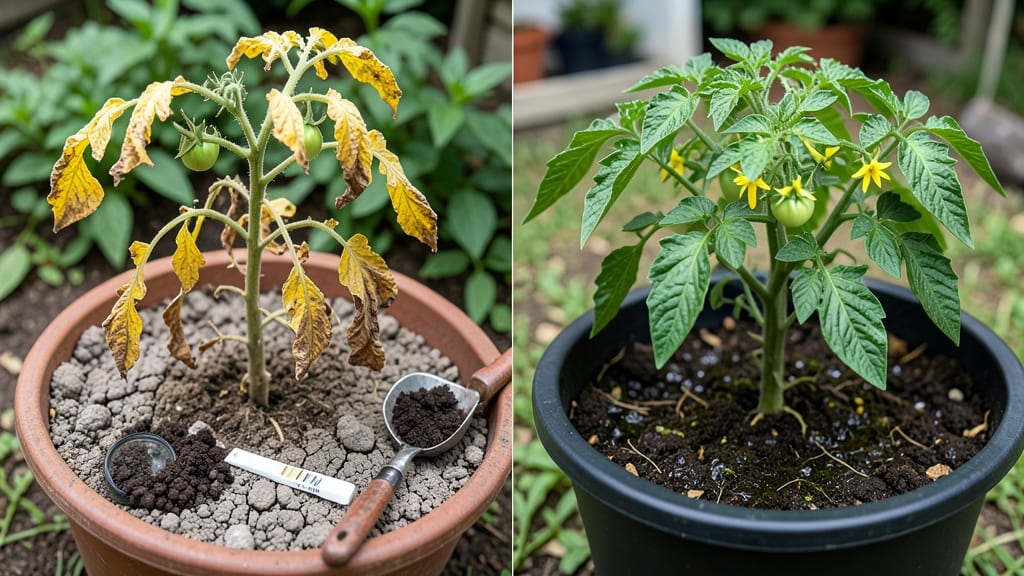
Soil doesn't go bad like food, but its fertility naturally declines over time from nutrient loss, microbial imbalance, and physical breakdown. To keep it productive, add organic matter like compost every 2-3 years.
Unlike perishable food, soil doesn't spoil—but it does degrade when essential nutrients like nitrogen and phosphorus get used up. 🌱 Over time, microbes and plant roots break down organic material, while compaction from foot traffic or machinery squeezes out air and water pathways.
Even without human interference, climate and erosion can accelerate this process. The good news? Regular maintenance with compost, mulch, or cover crops can restore balance and extend fertility for decades.
Think of soil like a bank account: you can withdraw nutrients (by growing plants), but you need to make deposits (via compost or fertilizers) to keep it solvent. Without these refreshers, your garden might still produce, but plants will struggle—showing signs like yellowing leaves or stunted growth.
The key is proactive care, not waiting for problems to appear.
💡 In This Article
- How Soil Degrades Over Time and What Causes It
- Signs Your Garden Soil Needs Refreshing
How soil degrades over time and what causes it
Soil doesn't "go bad" like food, but its quality declines through a mix of natural and human-caused processes. The most critical factor is nutrient depletion, where essential elements like nitrogen, phosphorus, and potassium get absorbed by plants or washed away.
For example, a single harvest can remove 30-50 pounds of nitrogen per acre—enough to significantly impact future plant growth. Microbial life, which breaks down organic matter, also suffers when soil lacks diversity, creating an imbalance that reduces nutrient cycling.
Physical changes accelerate degradation too. Compaction from foot traffic, machinery, or heavy rain crushes soil particles, reducing pore space by up to 50%—this cuts oxygen flow to roots and slows water drainage.
Erosion, driven by wind or water, strips away the topsoil layer (where most nutrients reside) at rates of 1-10 tons per acre annually in agricultural areas. Climate plays a role too: droughts dry out organic matter, while excessive rain leaches nutrients before plants can use them. 🌍
Human activities often speed up these processes. Over-tilling disrupts soil structure, while synthetic fertilizers can kill beneficial microbes over time. Even well-meaning practices like removing plant debris (instead of composting) deprive soil of organic material that replenishes nutrients.
The result? Soil that looks fine but struggles to support healthy plants—think of it like a sponge that's lost its ability to hold water and nutrients efficiently.
At the microscopic level, soil health hinges on a delicate ecosystem. Healthy soil contains 1-2 billion microbes per teaspoon, including bacteria, fungi, and protozoa that decompose organic matter.
When this balance shifts—due to chemical treatments or poor management—nutrient availability drops, and plants show stress symptoms like yellowing leaves or weak stems. The good news is that even degraded soil can recover with the right care, like adding compost or practicing crop rotation.
Consider this comparison: A fertile garden soil might contain 5-10% organic matter, while degraded soil could drop to 1-2%. This organic matter acts like a slow-release fertilizer, holding nutrients and improving soil structure.
Without it, plants compete fiercely for limited resources, leading to weaker yields and increased susceptibility to pests and diseases. The key is understanding these invisible processes to intervene before they become visible problems in your garden.
For example, a vegetable garden planted year after year without amendments might see nitrogen levels drop from 0.1% to 0.02%—a seemingly small change that drastically affects plant growth.
This is why many professional gardeners and farmers follow a 2-3 year refresh cycle with organic matter, preventing long-term degradation while maintaining productivity. The science shows that proactive soil care isn't just about aesthetics—it's about maintaining the very foundation of plant life.