
Landscaping
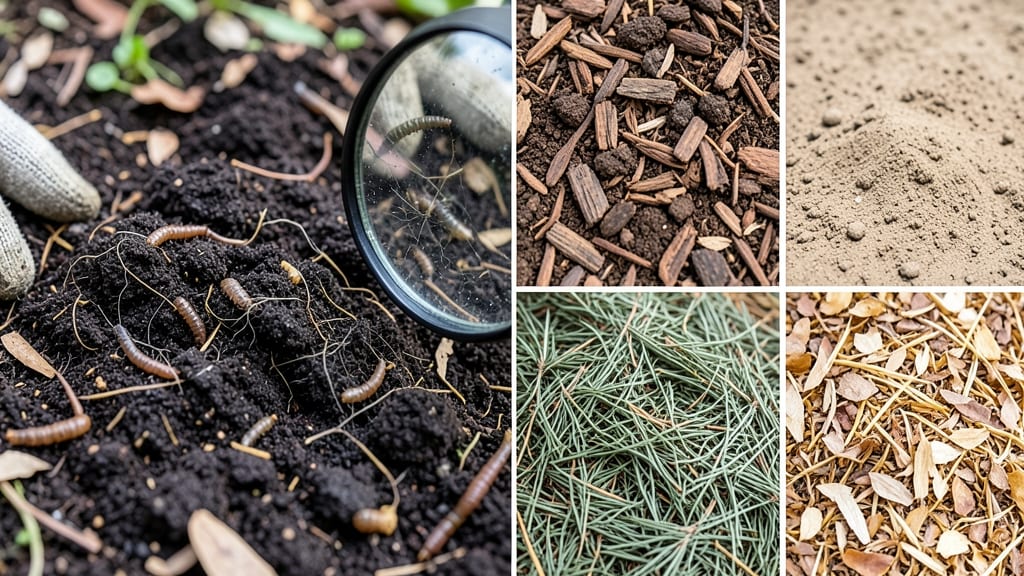
Your garden's root health depends on two power players: soil pep (think compost, fertilizer, or organic matter) and mulch—and I'm breaking down which one does what best. 🌱 The wrong choice can leave plants struggling, while the right combo keeps them thriving all season.
Soil pep feeds roots directly, boosting nutrients and microbial life. It's your garden's multivitamin—essential for strong growth but not a standalone solution. Without it, plants look weak, even if mulch keeps weeds at bay.
Mulch, on the other hand, acts like a cozy blanket: locking in moisture, regulating soil temperature, and smothering weeds. It’s the unsung hero that saves you time and water—but it won’t fix nutrient deficiencies. Use soil pep when planting or amending beds, and mulch as a top layer.
Together, they create the perfect root environment—no more guessing which one your garden truly needs.
The first product explained
Meet Soil Pep—your garden’s new secret weapon for root health and nutrient-rich soil! 🌱✨ Designed as a biodegradable, organic soil amendment, Soil Pep is a game-changer for gardeners who want to boost microbial activity, improve water retention, and enhance root development without synthetic chemicals.
Here’s why it’s earning rave reviews:
📏 Specs & Features
Soil Pep comes in a 10-pound bag packed with:
- 100% natural ingredients: Composted plant matter, beneficial microbes, and organic minerals.
- Slow-release nutrients: Feeds roots over time, reducing the need for frequent fertilizing.
- Improves soil structure: Loosens compacted soil and aerates roots for better growth.
- Safe for all plants: Ideal for vegetables, flowers, shrubs, and even lawns.
- Eco-friendly: Zero synthetic additives—just pure, plant-powered goodness.
🎯 Target Users
Soil Pep is perfect for:
- Home gardeners tired of chemical fertilizers and want organic results.
- Urban farmers maximizing small spaces with nutrient-dense soil.
- Eco-conscious landscapers prioritizing sustainability.
- Newbies and pros alike: Easy to use, with visible results in as little as 4-6 weeks.
💰 Price Point & Value
At $19.99 per 10-pound bag, Soil Pep offers unmatched value. Compare that to traditional mulch or synthetic fertilizers, and you’re getting:
- A long-term solution (one bag can last multiple seasons with proper application).
- Dual benefits: Works as both a soil conditioner and a slow-release fertilizer.
- No waste: Fully biodegradable—no leftover pellets or runoff.
Pro Tip: 💡 For best results, mix Soil Pep into the top 6 inches of soil before planting. Pair it with mulch on the surface to lock in moisture and keep roots happy year-round!
The second product explained
Meet Mulch Magic Premium Organic Mulch—your garden’s all-star sidekick for moisture retention, weed suppression, and soil protection! 🌱✨ If you’re looking for a natural, slow-release solution that works in harmony with your soil (rather than competing with it), this is the heavyweight champion for you.
📏 Key Specs & Features
Mulch Magic isn’t just fluff—it’s a powerhouse with:
- Material: 100% organic blend (hardwood bark, cedar chips, and composted leaves) for a slow, nutrient-rich breakdown.
- Coverage: 2.5 cubic feet per bag, designed to cover ~100 sq. ft. at a 3-inch depth.
- Longevity: Lasts 1–2 seasons (vs. Soil Pep’s instant action), making it a budget-friendly long-term investment.
- Bonus Perks:
- Natural pest deterrent (ants, slugs—bye!).
- Improves soil structure over time (think spongy, aerated dirt).
- Safe for veggie gardens, flowers, and even around trees.
🎯 Who’s It For?
This mulch is a home run for:
- 🌿 Beginner gardeners who want low-maintenance, foolproof soil care.
- 🌳 Tree/shrub lovers—protects roots from temperature swings and erosion.
- 💧 Drought-prone areas (locks in moisture like a champ).
- 🐝 Eco-conscious gardeners (no synthetic additives, just pure organic goodness).
💰 Price Point & Value
Mulch Magic is priced at $12.99 per 2.5 cu. ft. bag (or $34.99 for a 5-bag bundle). While it’s a slightly higher upfront cost than Soil Pep, the long-term savings win—no yearly repurchases needed! Plus, the bundle includes a free mulch spreader tool (a $10 value).
💡 Pro Tip: For maximum impact, pair Mulch Magic with a 2-inch layer of compost before applying. This combo = soil superfood!
Head-to-head comparison
Now that you’ve got the basics down on Soil Pep and mulch, let’s dive into a side-by-side comparison to see which one wins the root health showdown for your garden.
Whether you’re a seasoned gardener or just starting out, this breakdown will help you decide which option aligns best with your needs—and your plants’ needs! 🌱🔍
📊 Performance: How They Boost Root Health
When it comes to performance, these two products take very different approaches to nourishing your soil and roots.
- Soil Pep:
- Acts as a soil amendment that improves water retention, aeration, and nutrient availability.
- Works within the soil, enhancing microbial activity and breaking down organic matter for faster nutrient uptake.
- Ideal for container gardens, raised beds, or compacted soils where roots struggle to penetrate.
- Provides immediate and long-term benefits—roots get a nutrient boost while the soil structure improves over time.
- Mulch:
- Focuses on surface-level protection, shielding soil from erosion, extreme temperatures, and weed competition.
- Slows water evaporation, keeping moisture levels steady—but doesn’t directly enrich the soil.
- Best for large garden beds, perennials, or trees where surface coverage is key.
- Requires regular replenishment (every few months) to maintain effectiveness.
Winner? If your goal is direct root nourishment and soil health, Soil Pep takes the lead. But if you’re prioritizing moisture retention and weed control, mulch is your best bet.
🛠️ Features: What Each Product Brings to the Table
Let’s break down the key features of each product to see which one fits your gardening style.
| Feature | Soil Pep | Mulch |
|---|---|---|
| Primary Function | Soil enrichment, microbial activation, nutrient delivery | Moisture retention, weed suppression, temperature regulation |
| Application Method | Mixed into soil (top-dressing or tilling) | Spread on top of soil (organic or inorganic) |
| Best For | Potted plants, new plantings, poor or compacted soil | Established gardens, trees, shrubs, large garden beds |
| Ease of Use | ⭐⭐⭐⭐⭐ (Simple to mix; no special tools needed) | ⭐⭐⭐⭐ (Requires even spreading; some types need frequent refresh) |
| Sustainability | ⭐⭐⭐⭐ (Compostable, reduces need for synthetic fertilizers) | ⭐⭐⭐⭐⭐ (Organic mulch is highly sustainable; inorganic mulch varies) |
Pro Tip: 💡 For maximum root health, consider using both! Layer Soil Pep into the soil for nutrient-rich roots, then top with mulch for moisture and protection.
💰 Price: Cost-Effectiveness for Your Budget
Let’s talk money—because even the healthiest roots won’t grow if the product breaks the bank!
- Soil Pep:
- Priced per pound or bag, typically ranging from $15–$30 for a 5–10 lb bag.
- Covers small to medium areas (e.g., a 5 lb bag can treat ~50 sq ft of soil).
- Long-term savings: Reduces need for fertilizers or soil amendments over time.
- Best for targeted use (e.g., new plantings, containers).
- Mulch:
- Cost varies widely:
- Organic mulch (wood chips, straw, leaves): $3–$10 per bag or $20–$50 per cubic yard for bulk.
- Inorganic mulch (gravel, rubber): $10–$30 per bag or $50–$100+ per cubic yard.
- Covers large areas efficiently (e.g., a cubic yard covers ~100 sq ft at 3" depth).
- Long-term savings: Reduces watering needs and weed maintenance.
- Best for large garden beds or landscaping projects.
- Cost varies widely:
Budget Breakdown:
- If you’re working with small spaces or containers, Soil Pep is the more cost-effective choice.
- For big gardens or landscaping, mulch (especially organic) offers better value per square foot.
- DIY Tip: 🌡️ Save money by making your own mulch from yard waste (leaves, grass clippings) or composting kitchen scraps!
🏆 Durability: How Long They Last
How long will your investment hold up? Let’s compare durability.
- Soil Pep:
- Benefits last months to years, depending on soil conditions and plant needs.
- Breaks down slowly, releasing nutrients over time (great for long-term soil health).
- May need reapplication for heavy feeders (like tomatoes or peppers) every 3–6 months.
- Not prone to decomposition or erosion—stays put in the soil.
- Mulch:
- Durability varies by type:
- Organic mulch (wood chips, straw): Lasts 6–12 months before breaking down.
- Inorganic mulch (gravel, rubber): Lasts years with minimal decomposition.
- Requires regular refreshing (especially organic types) to maintain effectiveness.
- Can break down or wash away in heavy rains or high traffic areas.
- Durability varies by type:
Durability Winner:
- For long-term soil health
Which one should you choose?
So, which one should you choose—Soil Pep or mulch? The answer depends on your garden’s unique needs, your goals, and how much effort you’re willing to invest. Let’s break it down so you can make the best decision for your green thumb! 🌱✨
🌿 For Quick, Easy, and Long-Term Root Health
If you’re looking for a low-maintenance, all-in-one solution that boosts root health, improves soil structure, and keeps weeds at bay, Soil Pep is your best bet. It’s perfect for:
- 📅 Busy gardeners who want to skip the annual mulching routine.
- 🌍 Sustainable gardeners who prefer a product that reduces waste (no need to replace mulch yearly).
- 🌱 New or struggling plants that need a nutrient-rich boost to establish strong roots.
- 🏡 Urban or small-space gardens where adding bulk mulch isn’t practical.
Pro Tip: 💡 If you’re using Soil Pep, top it off with a thin layer of mulch for extra moisture retention—best of both worlds!
🌳 For Traditional, Aesthetic, or Moisture-Heavy Gardens
If you love the classic look of mulch, prioritize moisture control, or have a large garden, mulch is the way to go. It’s ideal for:
- 🎨 Gardeners who love visual appeal (mulch adds texture and color to beds).
- 💧 Drought-prone areas where retaining moisture is critical.
- 🌿 Established gardens with healthy soil that just need a top layer for protection.
- 🐝 Eco-friendly gardeners who want to support beneficial insects and wildlife.
Pro Tip: 🌡️ For maximum benefits, combine mulch with compost every few months to replenish nutrients naturally.
🏆 The Ultimate Verdict
Still unsure? Here’s a quick cheat sheet:
| Choose Soil Pep If... | Choose Mulch If... |
|---|---|
| ✅ You want a permanent solution. | ✅ You love the classic mulch look. |
| ✅ You’re short on time or energy. | ✅ You need extra moisture retention. |
| ✅ Your soil is poor or compacted. | ✅ You’re adding new plants or flowers. |
| ✅ You want to reduce waste. | ✅ You’re okay with replenishing annually. |
Final Thought: Why not try both? Use Soil Pep in your veggie beds for root health and mulch around shrubs or trees for moisture and aesthetics. The best garden strategy is often a balanced one! 🌟