
How To
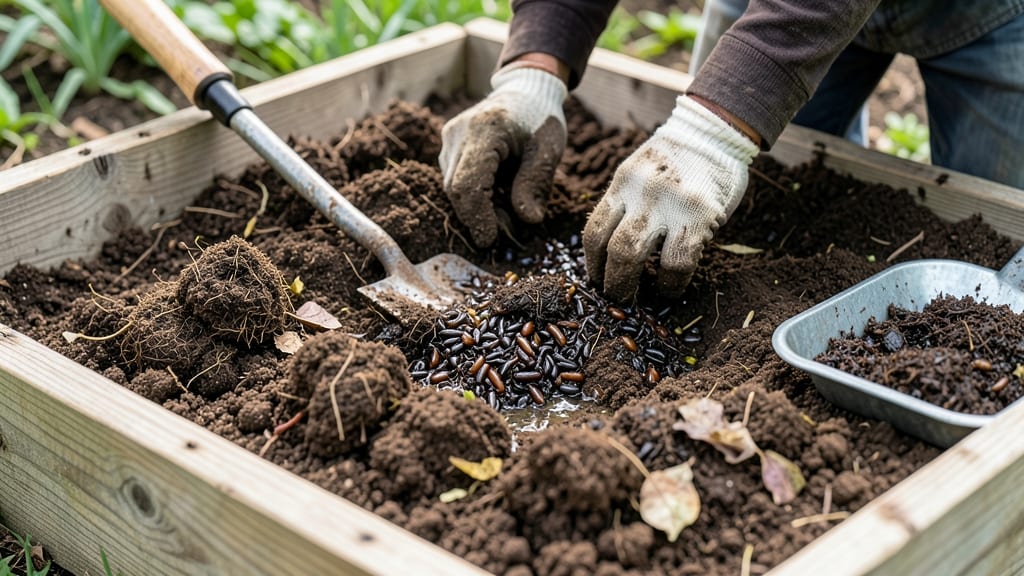
Mixing soil with manure boosts plant growth by adding essential nutrients while keeping soil loose and well-draining. For best results, combine 1 part well-aged composted manure with 3 parts soil, adjusting for sandy or clay-heavy mixtures.
Manure acts like a slow-release fertilizer, breaking down to release nitrogen, phosphorus, and potassium over time. 🌱 Fresh manure can burn plants, so composting it first is key—this also reduces odor and pathogens.
I've found that layering manure between soil layers helps create a nutrient-rich zone where roots thrive, especially for heavy feeders like tomatoes or corn.
Your soil type matters too: sandy soils need more manure to hold moisture, while clay soils benefit from the improved drainage. For flowers or delicate plants, a lighter mix with more soil (like 1:4) prevents over-fertilization.
Timing is everything—spring is ideal for most plants, but evergreens should get manure in early fall.
💡 In This Article
- How Manure Enhances Soil Structure and Nutrient Balance
- Step-by-Step Guide to Mixing Soil and Manure for Different Plant Types
How manure enhances soil structure and nutrient balance
Manure transforms soil by introducing organic matter that feeds beneficial microbes while physically altering the soil's texture. When composted properly, manure breaks down into humus—a dark, spongy material that increases soil's ability to hold water and nutrients.
This process boosts the soil's cation exchange capacity (CEC), which is like giving plant roots a built-in nutrient storage system. For example, well-composted cow manure can raise CEC by up to 30% compared to untreated soil, allowing roots to access more potassium and calcium.
The magic happens through microbial activity. As manure decomposes, it creates tiny air pockets that improve soil porosity—critical for root respiration. Sandy soils, which drain too quickly, benefit most from manure's water-holding capacity, while clay soils gain needed aeration.
The decomposition process also generates glomalin, a sticky glycoprotein produced by mycorrhizal fungi that binds soil particles together, creating stable aggregates. This structure prevents compaction and improves drainage, reducing the risk of root rot in heavy soils.
Nutrient release happens in stages. Fresh manure contains high levels of ammonia (from urea breakdown), which can burn plants if applied directly. However, composted manure releases nutrients more gradually—typically 10-30% of its nitrogen becomes available in the first year, with the rest slowly converting over 2-3 years.
This slow-release system prevents nutrient spikes that can harm delicate plants while providing steady nourishment. For instance, a 1:3 manure-to-soil mix can supply 50-100 pounds of nitrogen per acre over a growing season, depending on the manure type.
Manure's impact extends beyond basic nutrients. It introduces trace minerals like zinc and copper, which are often deficient in synthetic fertilizers. The organic matter also stimulates earthworm activity—just 1 pound of worms per square yard can improve soil structure by creating thousands of burrows daily.
These tunnels enhance both water infiltration and root penetration, making it easier for plants to establish strong systems. The result? Healthier soil that looks darker, smells earthy (not foul), and crumbles easily between fingers.
Consider the pH effect too. Most manures are slightly alkaline (pH 7.5-8.5), which can help neutralize acidic soils. For example, mixing 5 gallons of composted horse manure into 1 cubic yard of acidic garden soil can raise the pH by 0.5-1.0 points over time.
This adjustment is crucial for plants like azaleas or blueberries that thrive in acidic conditions but often struggle when soil becomes too alkaline from over-fertilization.
What most gardeners overlook is the manure's prebiotic effect on soil microbes. The complex carbohydrates in manure feed beneficial bacteria and fungi, which then outcompete harmful pathogens. Studies show soils amended with composted manure can reduce fungal diseases by up to 40% while increasing beneficial microbial populations by 2-3 times.
This biological boost is why manure-amended soils often produce stronger, more disease-resistant plants.