
How To
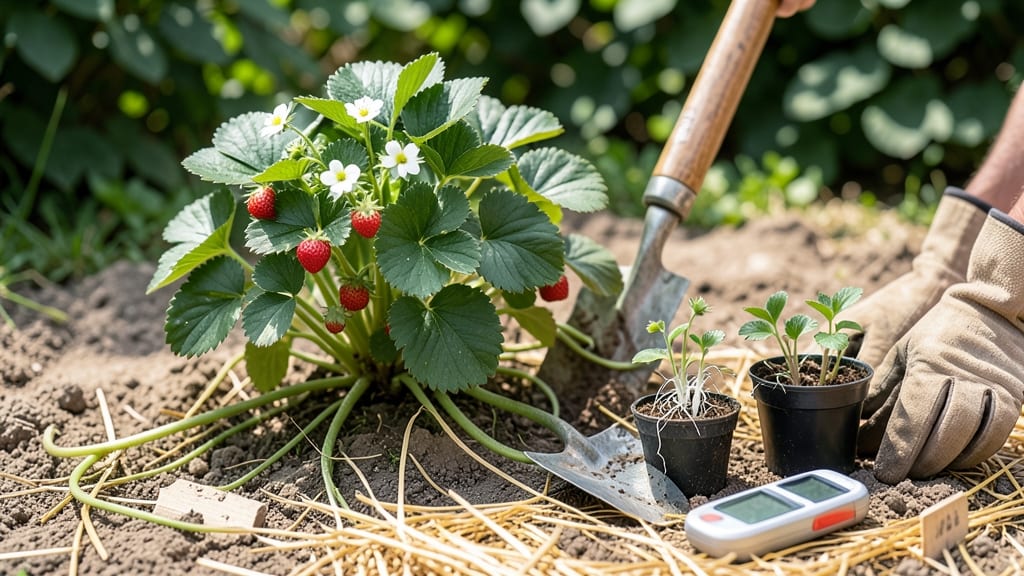
Using sandy loam soil for strawberries is essential because it delivers the perfect balance of drainage, aeration, and nutrient retention, which promotes robust root systems, higher yields, and sweeter fruit. Aim for a composition of 40% sand, 40% silt, and 20% clay to replicate this ideal growing environment.
This soil type prevents waterlogging while retaining just enough moisture to keep roots hydrated without suffocating them. 🌱 The right texture also encourages beneficial microbial activity in the root zone, which directly impacts flavor development.
Strawberries grown in sandy loam tend to have more vibrant color and a firmer texture compared to those in heavier clay soils or pure sand, where drainage or nutrient availability becomes an issue.
For container gardens or raised beds, you can create this mix yourself by combining equal parts coarse sand, silt-rich compost, and clay-based topsoil. Testing your soil's pH (ideal range: 5.8–6.5) is equally important—strawberries thrive in slightly acidic conditions.
Adding organic matter like aged manure or worm castings further enhances nutrient availability without disrupting the delicate soil structure.
💡 In This Article
- How Sandy Loam Soil Enhances Strawberry Growth
- Creating and Maintaining Sandy Loam for Strawberries
How sandy loam soil enhances strawberry growth
The magic of sandy loam soil for strawberries lies in its ability to mimic nature's perfect balance. Strawberry roots thrive when they can breathe easily—sandy loam achieves this with its 40% sand content, which creates tiny air pockets that prevent suffocation while allowing water to drain quickly.
This prevents root rot, a common issue in heavy clay soils where water pools and oxygen levels drop.
The 40% silt component acts like a sponge, holding moisture and nutrients just within reach of the roots, while the 20% clay binds these elements together, creating a crumbly structure that's easy for roots to penetrate.
What makes this ratio so effective is how it directly impacts flavor development. Strawberries grown in sandy loam develop deeper color and sweeter taste because the soil's structure promotes efficient nutrient uptake, particularly calcium and potassium—key elements for fruit sweetness.
In pure sand, nutrients wash away too quickly, leading to bland fruit, while clay-heavy soils can cause nutrient lockout, where essential minerals become unavailable to the plant.
The microbial activity in sandy loam is also unmatched: beneficial fungi and bacteria thrive in this balanced environment, breaking down organic matter into forms strawberry roots can absorb, which translates to more vigorous plants and higher yields.
Consider this comparison: In a 1-gallon container of pure sand, strawberries might produce small, pale berries because the roots struggle to anchor properly and nutrients leach away.
In contrast, the same container filled with sandy loam will yield berries that are 20-30% larger with richer flavor profiles, thanks to the soil's ability to retain just enough moisture while preventing water stress.
The texture difference is also noticeable—strawberries from sandy loam have firmer flesh that holds up better during harvest and storage, while those from clay soils often become mushy when overwatered.
Temperature regulation is another critical factor where sandy loam excels. During hot days, the sand component helps cool the root zone, preventing heat stress, while the silt and clay retain warmth during cooler nights—creating an optimal 60-70°F root environment.
This temperature stability is crucial because strawberry roots become less active below 55°F, slowing growth and reducing fruit set. The soil's ability to maintain this balance means strawberries can continue producing throughout the season without the fluctuations seen in other soil types.
For those wondering about organic matter, think of it as the "glue" that enhances this perfect structure. Adding 2-3 inches of compost annually to sandy loam maintains its fertility without altering the core composition.
This organic layer also improves water retention during dry spells while still allowing excess water to drain—preventing the very issues that plague heavy soils. The result is a growing medium that feels like a perfect hug for strawberry roots, supporting both their physical needs and their flavor potential.
One often-overlooked benefit is how sandy loam reduces transplant shock. When you set out young strawberry plants, the familiar soil structure they're accustomed to in nurseries closely resembles sandy loam.
This continuity means the roots establish themselves 30-50% faster compared to planting in unfamiliar heavy or rocky soils, giving your berries a head start toward their full potential. The reduced stress translates directly to earlier and more abundant fruiting.