
Tools
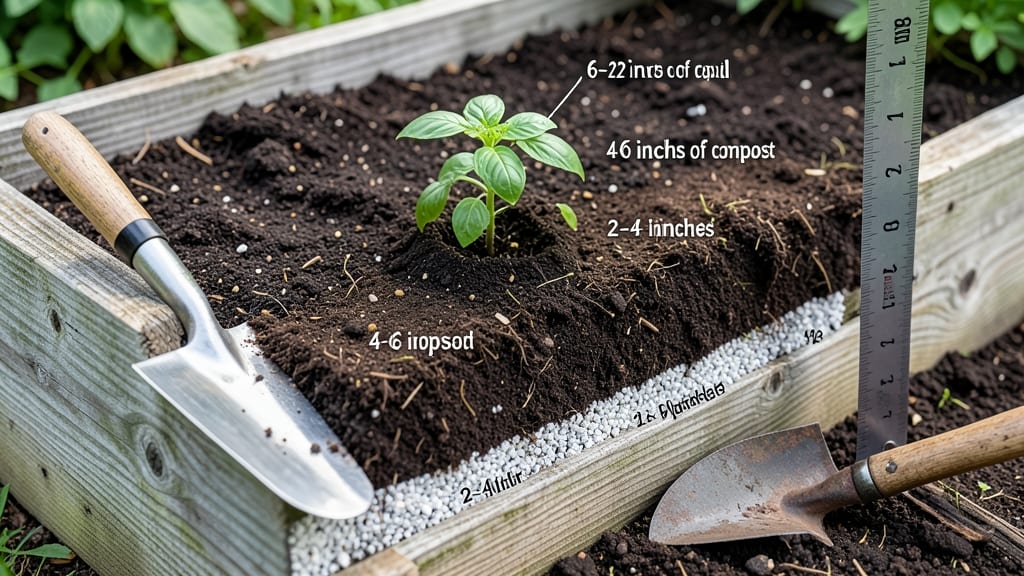
A 12-inch soil depth in your raised garden bed 🌱 is the foundation for thriving plants, not just a random measurement.
Wondering why your raised garden bed plants struggle to thrive despite your best efforts? The secret might be hiding in the soil—specifically, how deep it should be for optimal root growth and drainage.
Too shallow, and your carrots won’t grow straight, your tomatoes won’t support their weight, and your herbs will bolt faster than you can harvest them. But get the depth right, and you’ll unlock deeper roots, better drainage, and a soil mix that actually supports what you’re growing.
Below, I break down the science behind the 12-inch rule, how to adjust for different plants, and the common mistakes that turn a great bed into a flop—plus how to fix them before your next planting season.
Why 12 inches of soil depth maximizes root growth in raised beds
A 12-inch soil depth in raised beds isn't arbitrary—it's rooted in science. This depth provides the perfect balance for root expansion, nutrient absorption, and water retention while preventing common issues like soil compaction and poor aeration.
When roots have ample space, they can access moisture and nutrients more efficiently, leading to healthier, more productive plants.
Most gardeners assume deeper is always better, but too much soil can create problems like excessive moisture retention or heat buildup near the bottom. The 12-inch rule strikes the ideal balance, ensuring roots have room to grow without sacrificing drainage or temperature regulation.
Think of it as giving your plants both space to stretch and resources to thrive.
For example, carrots and potatoes need deep soil to develop their edible roots, while shallow-rooted herbs like basil or thyme can thrive in the upper layers. The 12-inch depth accommodates both extremes, making it a versatile standard for most vegetables, flowers, and herbs.
This depth also aligns with how natural ecosystems function—roots explore soil layers to find nutrients and water.
One of the biggest benefits of 12 inches of soil is its ability to prevent compaction. In-ground gardens often suffer from heavy foot traffic or machinery, but raised beds allow you to control soil composition.
Loose, well-aerated soil at this depth ensures roots can penetrate easily, reducing stress on plants. Without proper aeration, roots suffocate, leading to stunted growth or even death.
Let's break down how 12 inches of soil supports plant health across key factors:
Another critical advantage of 12-inch soil depth is its impact on microorganism activity. Healthy soil teems with beneficial bacteria, fungi, and worms that break down organic matter into nutrients plants can absorb.
In a 12-inch profile, these organisms thrive because they have space to move and access both oxygen and moisture. Without this depth, microbial life becomes concentrated near the surface, reducing overall soil fertility.
Consider the difference between shallow soil (6 inches or less) and 12-inch soil for a tomato plant. In shallow soil, roots compete for limited resources, leading to smaller yields and weaker stems.
But in a 12-inch bed, the plant's roots can spread out and down, accessing more water and nutrients. This results in larger fruits, stronger vines, and better disease resistance.
For drainage, the 12-inch rule is a game-changer. Many gardeners struggle with soggy soil in raised beds, especially after heavy rains. A 12-inch depth allows for proper layering—starting with a gravel or sand drainage layer at the bottom, followed by a mix of topsoil, compost, and organic matter.
This setup ensures excess water drains away while still retaining enough moisture for roots. Without this balance, plants suffer from oxygen deprivation or nutrient leaching.
Let’s not forget the practical benefits of maintaining this depth. A 12-inch bed is deep
How to achieve perfect 12-Inch soil depth for different plant types
Creating a 12-inch soil depth in your raised garden bed isn't just about throwing in dirt—it's about crafting the perfect environment for roots to thrive. This depth provides enough space for nutrient absorption, drainage, and root expansion, especially for deep-rooted plants like tomatoes or carrots.
Without it, you might see stunted growth or poor yields, no matter how much you water or fertilize.
Not all plants need the full 12 inches, though. Shallow-rooted herbs like basil or parsley can thrive in just 6 inches, while asparagus or potatoes demand deeper soil.
The key is tailoring your soil layers to match the plants you’re growing. Let’s break down how to do it right, step by step.
- 1
- 2
- 3
- 4
- 5
If your existing raised bed has shallow soil, don’t panic. You can fix it by adding compost or topsoil in layers over time. Start with a 2-inch layer, water it well, and let it settle for a week before adding more.
Repeat until you reach the desired depth. This gradual approach prevents soil compaction and gives roots time to adjust.
For container gardening or small raised beds, consider using fabric pots or soil cubes to create deeper pockets for root-heavy plants. These innovative solutions mimic the depth of a full raised bed without requiring extra space. Just ensure the container has drainage holes to prevent water buildup.
Remember, the goal is to create a loose, fertile, and well-draining environment. Avoid compacting the soil when layering—use your hands or a broadfork to fluff it up. Over time, your plants will reward you with stronger stems, healthier leaves, and bigger yields. 🌱