
Light Requirements
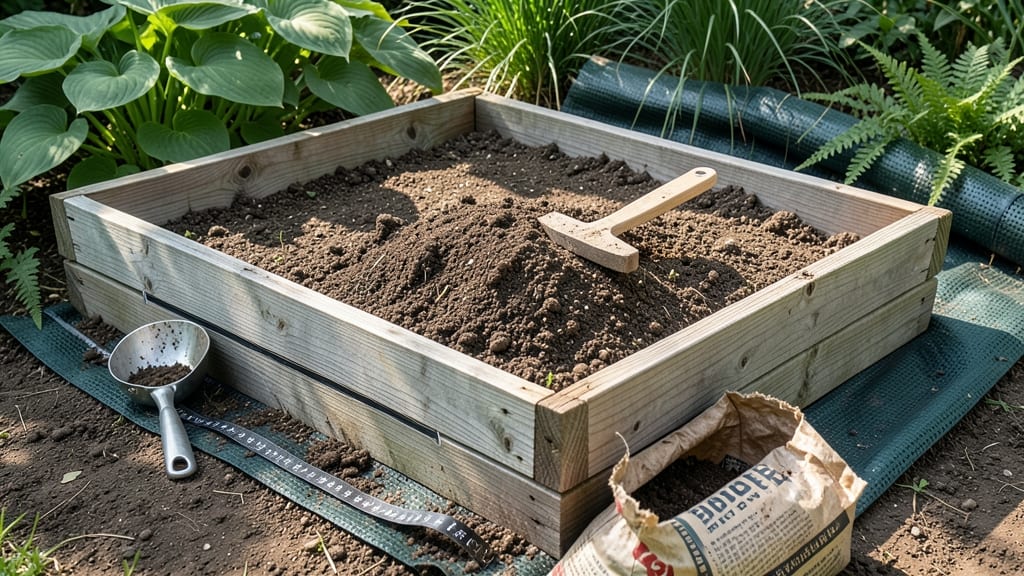
Filling a raised garden bed with the right amount of soil is about more than just eyeballing it—it’s the secret to strong roots, healthy plants, and a thriving garden 🌱.
Picture this: You’ve spent hours building your perfect raised bed, only to realize halfway through filling it that you’ve either wasted a fortune on extra soil or left your plants struggling with shallow roots.
The right depth isn’t just a number—it’s the difference between a bountiful harvest and a frustrating season.
Most gardeners aim for 6 to 12 inches of soil depth, but the exact amount depends on what you’re growing. Root crops like carrots need deeper beds, while leafy greens thrive in shallower layers.
Below, I’ll break down the math, show you how to calculate soil volume without guesswork, and share tips to save money while keeping your plants happy.
You’ll learn how to measure your bed, adjust for soil type, and avoid common pitfalls like overfilling or compacting the mix. By the end, you’ll know exactly how much soil to buy—and how to make it work perfectly for your garden.
Raised garden bed soil depth calculator by plant type (vegetables, herbs, flowers)
Determining the right soil depth for your raised garden bed isn’t one-size-fits-all. Different plants need varying depths to thrive—root crops like carrots demand deep soil, while shallow-rooted herbs like basil only need a few inches.
The key is matching your soil depth to your plants' root systems and growth habits. Start by measuring your bed’s dimensions and calculating volume, then adjust based on the plant types you’re growing.
For most raised garden beds, a standard depth of 6-12 inches works for leafy greens and herbs, but root vegetables and fruiting plants often need deeper soil—up to 18 inches for optimal growth.
The calculator approach simplifies this by breaking it down into three categories: shallow-rooted plants, medium-depth plants, and deep-rooted crops. Below, we’ll cover how to customize your soil depth for each type, including adjustments for heavy clay soil or lightweight mixes.
Use this soil depth calculator by first measuring your bed’s length, width, and desired depth. Multiply these to get total cubic feet, then divide by the number of plants to determine how much soil each needs.
For example, a 4’x8’ bed filled to 12 inches requires 32 cubic feet of soil. Adjust this number based on the plant-specific requirements in the table below.
For heavy clay soil, increase the depth by 2-4 inches to prevent root suffocation, while lightweight mixes (like those with perlite) can be shallower by 1-2 inches since they don’t compact as much.
For example, if you’re growing carrots in a 4’x8’ bed, aim for 20-24 inches of loose, stone-free soil to accommodate their long taproots. Use a soil probe or ruler to check depth after filling—tap the soil lightly to settle it before planting.
Adjust your soil volume calculations based on the plant mix in your bed. If you’re growing a combination of leafy greens and root crops, compromise with 12-14 inches of soil.
For container gardening or small raised beds, prioritize depth for the deepest-rooted plants first, then fill the remaining space with shallower-rooted varieties. Always leave 1-2 inches of space at the top for mulch or watering.
Pro tip: Layer your soil for cost efficiency and nutrient balance. Start with 4-6 inches of coarse material (like wood chips or straw) at the bottom for drainage, followed by 6-8 inches of a topsoil-compost-perlite mix, and top with 2-3 inches of finished compost.
This approach mimics natural soil layers and reduces the need for expensive pre-mixed soil. Test your soil’s pH and nutrients before filling to avoid over-amending.
If you’re unsure about your bed’s dimensions, use a digital calculator or spreadsheet to
Common mistakes that waste soil (and how to avoid them)
One of the biggest mistakes I see in raised garden beds is overfilling with soil—often because gardeners assume "more is better." But packing your bed too high can suffocate roots, create drainage issues, and even cause soil compaction that stunts plant growth.
On the flip side, underfilling leaves plants with shallow root zones, making them vulnerable to drought and poor nutrient uptake.
Another common error is ignoring soil compaction during filling. Tamping down soil (even accidentally with foot traffic) reduces air pockets, which roots desperately need for oxygen. This mistake is especially costly because it forces you to buy extra soil to reach the right depth after accounting for compaction.
🚨 callout-warning 🚨
⚠️ How Much Soil to Fill Raised Garden Bed?
Rule of thumb: Aim for 6-12 inches of soil depth (measured after settling). For a 4'x8' bed, that’s roughly 1.5-2 cubic yards of soil. Account for 20-30% compaction—never fill to the top!
Calculation tip: Multiply length × width × depth (in feet), then add 30% extra for settling. Example: 4'x8'x1' bed needs 3.2 cubic yards (4×8×1 × 1.3).
To avoid these pitfalls, start by measuring your bed’s internal dimensions (not the outer frame) and multiply by the target depth. For example, a 4-foot by 8-foot bed filled to 10 inches of soil depth requires about 1.6 cubic yards—but add 20-30% extra for settling.
Skipping this step often leads to either a half-empty bed or a mountain of wasted soil.
Here’s a pro tip: Layer your soil in 2-inch increments, gently fluffing each layer with a rake or hands to prevent compaction. This method ensures even settling and gives roots room to expand without resistance.
For heavy soils (like clay), mix in perlite or compost to improve aeration and reduce compaction risks.
Another wasteful habit? Using low-quality soil that compacts easily. Cheap fill dirt or pure topsoil lacks organic matter, leading to poor drainage and nutrient deficiencies. Instead, blend 60% topsoil, 30% compost, and 10% perlite for a lightweight, fertile mix that resists compaction while promoting root growth.
Finally, measure twice, fill once. Use a soil depth gauge (or a simple ruler) to check levels after filling. Adjust as needed—remember, roots need space to breathe, not a tight, packed environment. With these adjustments, you’ll save money, reduce waste, and give your plants the ideal growing conditions.