
Neem Oil
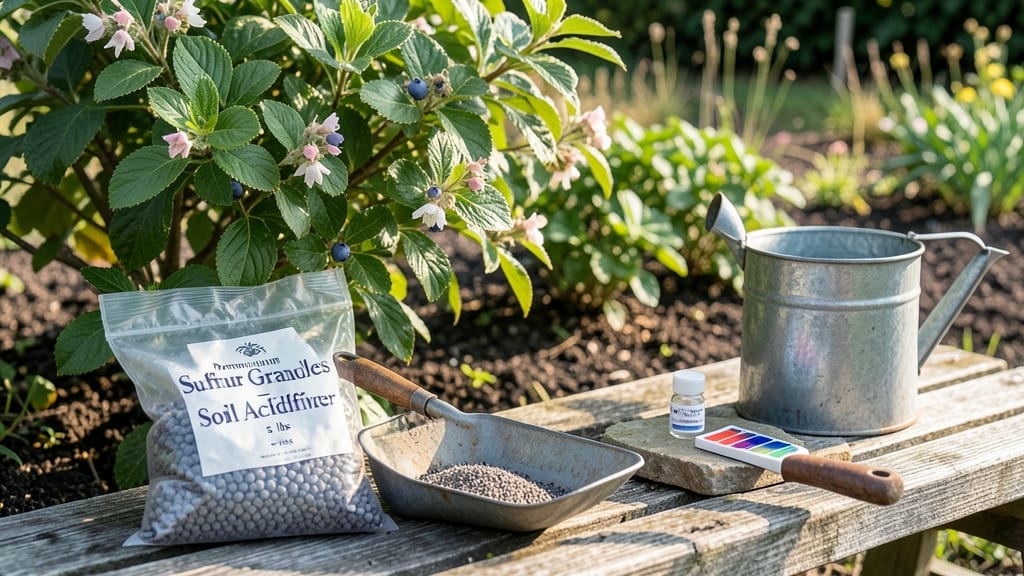
How to use a soil acidifier can unlock a whole new level of garden success—especially for acid-loving plants like blueberries and azaleas. 🌿 I’ve used soil acidifiers to transform struggling plants into thriving powerhouses, and the results speak for themselves: deeper green leaves, bigger blooms, and plants that finally look happy. The key is choosing the right acidifier (sulfur, aluminum sulfate, or organic options) and applying it correctly. You’ll need a soil pH test kit first—this tells you exactly how much to adjust. Most plants thrive in the 5.0-6.5 range, but acid-lovers like hydrangeas and rhododendrons need even lower pH. Once you’ve tested, spread the acidifier evenly over the soil (follow package rates) and water it in. Check pH again in 4-6 weeks—this gives the soil time to adjust. Overdoing it can harm plants, so start small and monitor closely. Common mistakes include skipping the test (guessing pH is worse than measuring) or using too much at once. For organic gardens, try pine needles or peat moss—they lower pH gradually without harsh chemicals.
📚 In This Guide
- What you need
- Instructions
- Tips and common mistakes
- Wrapping up and next steps
What you need
- ● Soil acidifier (choose one): Elemental sulfur – 1–2 lbs per 100 sq ft (slow-acting, best for long-term use)
- ● Aluminum sulfate – 5–10 lbs per 100 sq ft (fast-acting, ideal for quick fixes)
- ● Iron sulfate – 20–50 lbs per 100 sq ft (safe for plants, great for iron-deficient soils)
- ● Vinegar or citrus juice – 1 cup per gallon of water (for small-scale, temporary acidification)
- ● Garden gloves (to protect your hands from sulfur or chemicals)
- ● Garden rake or tiller (to mix the acidifier into the top 6 inches of soil)
- ● Watering can or hose (for diluting liquid acidifiers or rehydrating soil)
- ● pH test kit (to monitor soil acidity before and after treatment)
- ● Measuring scoop or scale (for precise application of granular acidifiers)
- ○ Garden sprayer (optional but helpful for liquid acidifiers like vinegar solutions)
- ● Compost or organic matter (to buffer extreme acidity and improve soil structure)
- ● Lime (calcium carbonate) (for future adjustments if soil becomes too acidic)
- ● Soil moisture meter (to ensure soil is damp before applying sulfur-based acidifiers)
- ● Label or markers (to track treated areas and avoid over-acidification)
5 Practical ways to use soil acidifier for better garden results
Here’s how I transform my garden’s soil chemistry—no guesswork, just science-backed acidification for peak plant performance.
🌱 Step 1: Test Soil pH Before Applying Acidifier
Grab a soil pH test kit (digital or liquid) and take samples from multiple spots in your garden. Most acid-loving plants—like blueberries, azaleas, and potatoes—thrive in pH 4.5-6.0. If your reading is above 6.5, you’ll need to acidify.
Take readings after rain or watering, when soil is moist but not soggy. I like to test in late morning when soil temps are stable. Write down the numbers—this tells you exactly how much acidifier to use. Never apply acidifier blindly; you risk over-acidifying, which harms beneficial microbes and nutrient uptake.
🌿 Step 2: Acidify for Acid-Loving Plants in Containers
For potted plants like hydrangeas or gardenias, mix 1 tablespoon of liquid sulfur or aluminum sulfate per gallon of water. Water your plants thoroughly with this solution until it drains from the bottom of the pot. Repeat every 4-6 weeks during the growing season.
Watch for visual cues: dark green leaves on hydrangeas or vibrant blue flowers mean your pH is in the right range. If leaves yellow between veins, you’ve over-acidified—flush the pot with plain water immediately. I always wear gloves when handling sulfur; it’s a lung irritant if inhaled.
☀️ Step 3: Lower pH for Blueberry Bushes in Garden Beds
Spread 2-3 pounds of elemental sulfur per 100 square feet over the soil surface around your blueberry bushes. Work it into the top 2-3 inches of soil with a garden fork. For faster results, use aluminum sulfate at 5-10 pounds per 100 sq ft, but follow package instructions carefully—it’s more potent.
Water the area deeply after applying. You’ll see the first signs of change in 4-6 weeks: new growth will be darker and more vigorous. If your bushes still produce small, tart berries instead of plump, sweet ones, your pH might be too high—test again and reapply if needed.
💧 Step 4: Acidify Lawns for Fescue or Bluegrass
For cool-season grasses, apply 10 pounds of aluminum sulfate per 1,000 sq ft in early fall. Spread evenly with a broadcast spreader, then water thoroughly. Repeat once in late winter for best results. Fescue and bluegrass prefer pH 5.5-6.5, and this method keeps them lush without the brown patches of alkaline soil.
Check your lawn’s pH again in spring. If the grass stays vibrant but weeds like clover take over, your soil might be too acidic—reduce applications next time. I always mow high (3-4 inches) after acidifying to protect the grass blades from potential burn.
✂️ Step 5: Use Acidifier for Vegetable Gardens (Selectively)
Only certain vegetables benefit from acidification: potatoes, blueberries, and cranberries thrive with pH 5.0-5.5. For these, mix 1 pound of iron sulfate per 100 sq ft into the soil before planting. Avoid acidifying tomatoes, peppers, or cucumbers—they prefer pH 6.0-7.0.
After applying, mulch with pine needles or peat moss to maintain acidity naturally. You’ll notice stronger stems and deeper green leaves within 3-4 weeks. If leaves curl or develop brown edges, you’ve gone too far—rinse the soil lightly with water to dilute the acidity.
Tips & tricks for perfect soil acidification
Took me years of trial and error to master these soil chemistry secrets—here's how to avoid the most common mistakes while maximizing results.
Testing Timing: Always test soil pH in the morning after a light rain or watering. Early morning readings are most accurate because soil temperatures are stable and moisture levels reflect natural conditions. I’ve seen readings vary by up to 0.5 pH points when testing at different times of day—this can mean the difference between success and failure when applying acidifiers.
Application Precision: For container plants in Step 2, measure your water precisely before mixing with acidifier. A gallon of water weighs about 8.34 pounds, so using a kitchen scale can help ensure you’re adding exactly 1 tablespoon of acidifier per gallon. Too much can burn roots, while too little won’t shift your pH enough—especially in well-draining potting mixes.
Visual Cues for Over-Acidification: In Step 5, watch for subtle signs of over-acidification beyond just leaf curl. Look for yellowing between leaf veins (chlorosis) or stunted growth in new shoots. These are early warnings that your soil pH has dropped below the ideal range for your plants. If you see these signs, immediately rinse the root zone with plain water to dilute the acidity.
Seasonal Strategy: The timing of your applications matters just as much as the amounts. For lawns in Step 4, apply aluminum sulfate in early fall when soil temperatures are cooling but still warm enough for microbial activity. This gives the acidifier time to work through winter while avoiding summer heat stress. I’ve found this fall/winter application schedule builds soil acidity more effectively than spring applications alone.
Pro Tips for Use Soil Acidifier
- Took me years of trial and error to master these soil chemistry secrets—here's how to avoid the most common mistakes ...
- Testing Timing: Always test soil pH in the morning after a light rain or watering. Early morning readings are most ac...
- Application Precision: For container plants in Step 2, measure your water precisely before mixing with acidifier. A g...
Frequently asked questions
Got questions about using a soil acidifier? You’re not alone—many gardeners wonder how to apply it safely, when to use it, and how to avoid common mistakes. Here are answers to the most frequently asked questions to help you acidify your soil like a pro!
How often should I apply soil acidifier?
For most plants, apply a soil acidifier once every 3–6 months during the growing season (spring and fall). Over-acidifying can harm plants, so test your soil’s pH first (aim for 4.5–6.5 for acid-loving plants like blueberries or azaleas). Start with a light application and monitor results.
How long does it take for soil acidifier to work?
Results vary, but you’ll typically see changes in 2–4 weeks after application. For faster results, mix the acidifier into the top 6 inches of soil and water thoroughly. Re-test your soil’s pH after 4–6 weeks to adjust as needed. Patience is key—soil chemistry isn’t instant!
Can I use vinegar as a soil acidifier instead?
Yes, but use it sparingly—white vinegar (5% acetic acid) can lower pH quickly. Mix 1 cup of vinegar per gallon of water and apply lightly to the soil surface. Avoid overuse, as vinegar can kill beneficial microbes and burn plant roots. For long-term acidification, sulfur or peat moss are safer alternatives.
What do I do if my plants show signs of stress after using soil acidifier?
If leaves yellow (chlorosis) or wilt, your soil may be too acidic. Flush the soil with water to dilute the acid, then add lime or wood ash to raise pH gradually. For severe cases, replace the top layer of soil. Always follow package instructions and monitor plants closely after application.
Which plants need soil acidifier the most?
Acid-loving plants thrive in pH 5.0–6.0 and include:
- Blueberries
- Azaleas & Rhododendrons
- Hydrangeas (for blue flowers)
- Pine Trees
- Potatoes & Strawberries
Wrapping up and next steps
Using a soil acidifier is your secret weapon for unlocking vibrant, thriving plants—whether you're nurturing acid-loving blueberries, azaleas, or even lawns! 🌱 By following these 5 simple steps, you’ve learned how to safely lower pH, test your soil, and apply treatments like a pro.
The key? Consistency and patience—your garden will thank you with lush, healthy growth in no time.
Ready to see the magic happen? Grab your soil test kit, pick your favorite acidifier, and take action today. Start small with one bed or pot, monitor the changes, and soon, you’ll be a soil-acidifying expert! 🌟 Your green thumb is about to level up—happy gardening!