
Light Requirements
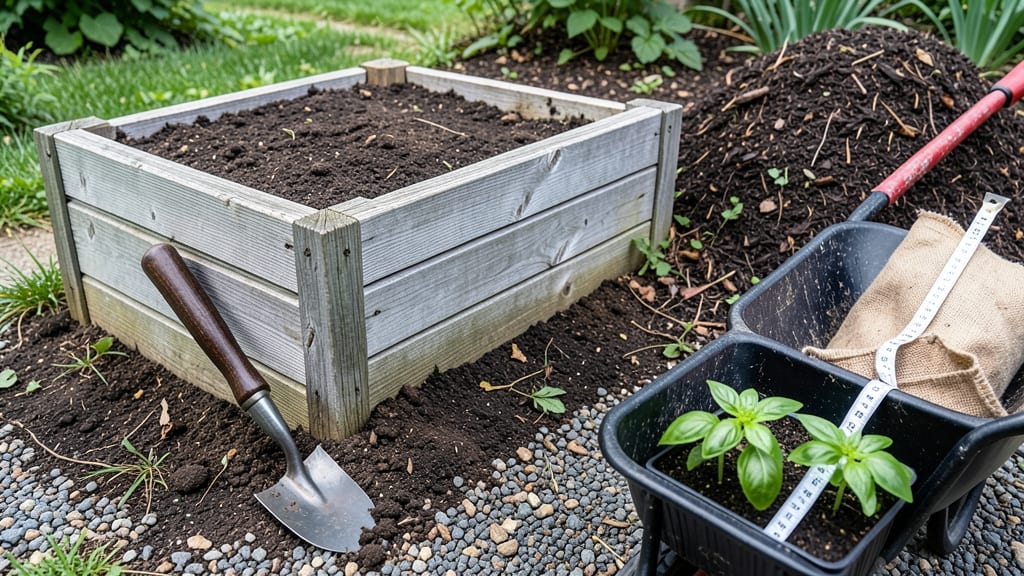
To determine how much soil for a raised bed, calculate cubic feet by multiplying length × width × depth (in feet), then convert to cubic yards (1 cubic yard = 27 cubic feet). Root crops need deeper beds (12+ inches), while herbs and greens do well in shallower layers (6–10 inches).
Calculating soil volume might sound intimidating, but it’s really just basic math with a few key adjustments. 💫 Start by measuring your bed’s dimensions in feet—most DIY kits are 4'×8' or 4'×4', but custom sizes are common.
For example, a 4'×8' bed with 10-inch soil depth requires about 2.2 cubic yards of soil. Pro tip: Always round up to account for settling, especially if you’re mixing in compost or other amendments.
The soil type matters too—topsoil is cheaper but compacts faster, while premium blends hold nutrients better but cost more.
Depth adjustments depend entirely on what you’re growing. Deep-rooted plants like carrots or potatoes need at least 12 inches of loose soil, while shallow-rooted herbs or lettuce thrive in just 6–10 inches. If you’re planting perennials or shrubs, consider going even deeper (18+ inches) for long-term health.
The key is balancing drainage with root space—too shallow, and roots compete for nutrients; too deep, and you waste soil (and money!).
💡 In This Article
- Calculating Soil Volume for Raised Garden Beds
- Optimal Raised Bed Soil Depth by Plant Type
Calculating soil volume for raised garden beds
Let's break down the math behind soil volume calculations for your raised bed. The core formula is simple: multiply your bed's length, width, and depth (all in feet) to get cubic feet.
For example, a standard 4'×8' bed with 10-inch soil depth becomes (4 × 8 × 0.83) = 26.56 cubic feet. Since soil bags typically measure 2 cubic feet each, you'd need about 13 bags—but always round up because soil settles over time, especially when mixed with compost. 🔥
Converting to cubic yards (the standard bulk purchase unit) is where most people stumble. Divide your cubic feet total by 27 (since 1 cubic yard = 27 cubic feet).
Our 26.56 cubic feet example becomes just under 1 cubic yard, but you'd actually want to order 1.25 cubic yards to account for settling and potential voids between layers.
Premium soil blends (like those with 30% compost) can shrink up to 20% after watering, so factor that in for long-term projects.
Soil type dramatically affects volume needs. Standard topsoil weighs about 2,200 pounds per cubic yard, while lighter compost blends might weigh 1,000-1,500 pounds per cubic yard. This means a 4'×8' bed filled with compost-heavy mix could require 30% more volume than the same bed filled with pure topsoil.
Always check the bulk density specifications when ordering—some suppliers list "loose" vs. "compacted" volumes, which can vary by 15-20%.
Here's a pro tip: Build your bed in layers to avoid over-purchasing. Start with 4-6 inches of coarse material (like wood chips or straw) at the bottom for drainage, then add your soil mix in 4-inch lifts.
This method lets you adjust as you go and prevents overbuying. For a 4'×8' bed with 12-inch depth, you'd need roughly 2.9 cubic yards of finished soil mix—about 14-15 bags if buying pre-mixed blends.
Consider these common bed sizes and their approximate soil needs:
- 4'×4' bed (10" depth): ~1.3 cubic yards (65 bags)
- 4'×8' bed (12" depth): ~2.9 cubic yards (145 bags)
- 8'×12' bed (8" depth): ~6.4 cubic yards (320 bags)
Remember: These are estimates for finished soil. If you're mixing your own blend (e.g., 60% topsoil, 30% compost, 10% perlite), calculate each component separately—they'll settle differently. For example, perlite can reduce overall volume by 10-15% due to its airy structure. 💫