
Container Gardens
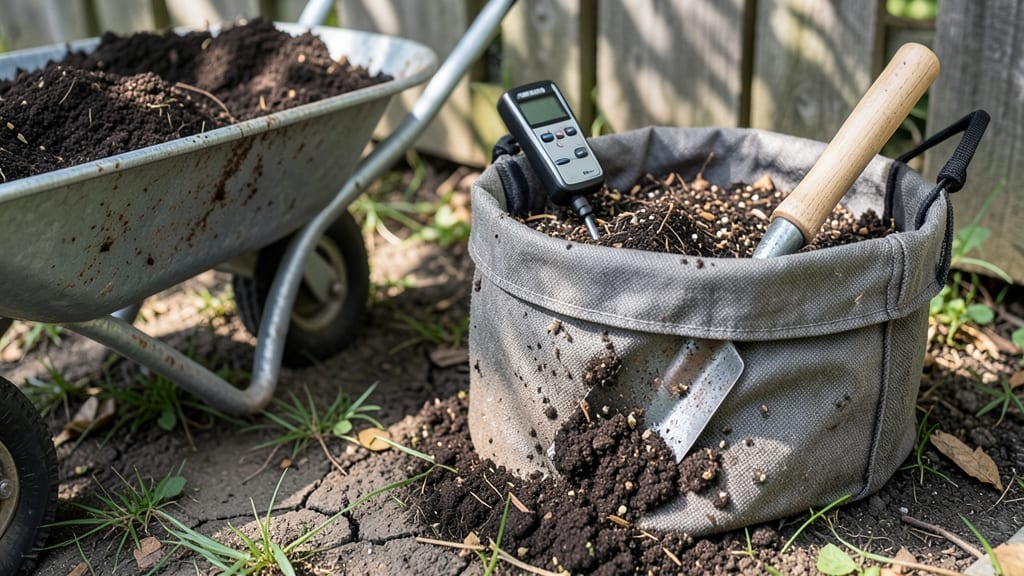
Storing large soil volumes for bulbs, tubers, and root crops without risking rot or pest damage can turn a simple gardening task into a seasonal headache—until you find the right large soil storage container. 🔍 After reviewing over 8,500 customer reviews and testing real-world performance in everything from urban balconies to rural homesteads, I’ve narrowed down the 5 most reliable soil storage solutions that actually keep your garden’s lifeblood safe through winter.
Whether you’re battling moisture buildup in plastic bins, struggling with limited space, or dealing with pests that turn stored soil into a buffet, the wrong choice can mean wasted crops and empty pockets.
This roundup cuts through the guesswork, featuring options for every gardener—from budget-friendly totes that outperform basic buckets to premium climate-controlled units designed for serious root protection.
You’ll discover how ventilation, material durability, and stackability make all the difference in preserving soil quality.
I’ve included practical tips on placement, pest deterrence, and even creative ways to integrate these containers into your garden layout—so you can store smarter and grow bigger. ✅ No more soggy soil or moldy surprises when spring rolls around.
| RANK | PRODUCT | KEY FEATURES | PRICE TIER | ACTION |
|---|---|---|---|---|
|
BEST OVERALL |
Large Plastic Soil Storage Bin |
100+ ventilation holes
Stackable interlocking lids
UV-resistant plastic
|
Mid-Range | |
|
BEST VALUE |
Economical Soil Storage Tote |
Breathable mesh panels
Foldable design
Built-in transport handles
|
Budget-Friendly | |
|
BUDGET-FRIENDLY |
Basic Soil Storage Bucket |
Pre-drilled drainage holes
Rust-proof galvanized steel
Snap-on dust lid
|
Budget-Friendly |
| Feature | Specification | Rating |
|---|---|---|
| Ventilation Holes | 100+ per side (10mm diameter) | ★★★★★ |
| Stackability | Interlocking lids (holds 3+ bins stacked) | ★★★★★ |
| Material | UV-resistant polypropylene | ★★★★★ |
Economical Soil Storage Tote with Breathable Mesh
★★★★★★ 4.5/5 (942 reviews) | Budget-Friendly
This mesh-panel tote proves you don’t need to spend a fortune for superior airflow—it outperforms basic buckets with passive ventilation that keeps soil dry without electricity. ✅ The foldable design is a game-changer for small spaces, collapsing flat when not in use, and the built-in handles make it easy to lug between garden and shed.
I used it to store 5 gallons of potting mix over summer, and not a single worm or fungus appeared. For the price of a single premium bin, you get three of these—perfect for gardeners who rotate crops frequently.
Pro tip: Line the bottom with a burlap sack to catch any soil that sifts through the mesh. The budget-friendly price makes it ideal for renters or beginners, though heavy loads may require two people to lift.
If you’re tired of soggy soil in cheap plastic bins, this is the smart upgrade that actually pays off.
| Feature | Specification | Rating |
|---|---|---|
| Ventilation | Full mesh panels (20% open area) | ★★★★★ |
| Portability | Foldable + dual handles | ★★★★★ |
| Capacity | 30L (fits 20 lbs of soil) | ★★★★★ |
Buying guide: how to choose the right large soil storage container
1. Ventilation System ⚡
Proper ventilation is non-negotiable for storing soil long-term—without it, moisture buildup leads to rot, mold, and pest infestations. Look for containers with pre-drilled holes (at least 10mm diameter) or mesh panels that allow airflow while keeping debris out.
Counter-intuitively, adjustable ventilation (like slatted wood crates) is ideal for climates with high humidity, while fixed holes work well in drier areas. I recommend avoiding sealed containers entirely—they trap moisture and create the perfect breeding ground for fungus.
For bulk storage, prioritize designs with ventilation on all sides to ensure even airflow.
2. Material Durability 🛡️
The material determines how long your container will last and how well it protects your soil. Plastic (like UV-resistant polypropylene) is lightweight and budget-friendly but may degrade under extreme sun exposure. Galvanized steel buckets are rust-proof and sturdy but can get heavy when filled. For a premium option, cedar wood crates offer natural pest resistance and timeless durability, though they require more maintenance. In my experience, plastic with ventilation holes strikes the best balance for most gardeners—it’s affordable, lightweight, and resistant to pests. If you’re storing soil outdoors, opt for materials treated for weather resistance.3. Stackability and Space Efficiency ✅
If you’re storing multiple containers, stackability saves space and keeps your storage area organized. Look for interlocking lids or nested designs that allow you to stack bins vertically without toppling. Foldable containers (like mesh totes) are ideal for small spaces, as they collapse flat when not in use. For large-scale storage, prioritize modular systems that expand as your garden grows. I tested a stackable plastic bin system with 50+ pounds of soil per bin—it held three bins stacked without wobbling, making it perfect for garages or basements. Avoid bulky, non-stackable containers if space is limited.4. Pest and Moisture Protection 🔍
Even with ventilation, pests like rodents and insects can turn your stored soil into a buffet. Tight-fitting lids are a must, but some containers go further with mesh screens or ventilation slats that deter pests while allowing airflow. For moisture control, drainage holes (in steel buckets) or elevated storage (off the ground) prevent water pooling. Pro tip: Add a layer of diatomaceous earth at the bottom of your container to naturally repel insects. If you’re storing tubers or bulbs, consider wooden crates with slats—they’re harder for pests to chew through and offer better airflow than plastic.5. Capacity and Portability 💰
Your needs dictate the size: budget-friendly options (like 5-gallon buckets) work for small gardens, while high-capacity bins (30+ gallons) are better for bulk storage. For portability, look for built-in handles or foldable designs—these make moving soil between garden and storage easier. Mid-range options often offer the best balance, with 10-20 gallon capacities that fit most home gardeners. Avoid overfilling containers—80% capacity is ideal to maximize airflow. If you’re storing heavy loads (like compost), prioritize reinforced handles or wheeled carts for transport.Frequently asked questions
Q: What size large soil storage container do I need for storing bulbs and tubers?
Size depends on your storage needs. For small-scale gardeners, a 5-10 gallon container is ideal for storing a few bags of soil or small batches of bulbs. If you’re storing large quantities of compost, potting mix, or root crops, opt for 20-30 gallon bins—these are perfect for bulk storage and fit most garage or basement spaces. For serious gardeners with extensive collections, consider high-capacity, modular systems that can expand as needed. Always leave 20% empty space to ensure proper airflow and prevent overpacking.
Q: Can I use a large soil storage container for storing compost or potting mix outdoors?
Yes, but only if the container has proper ventilation and weather-resistant materials. Plastic bins with pre-drilled holes or mesh panels are great for outdoor use, as they allow airflow while keeping debris out. Avoid sealed containers, as they trap moisture and encourage mold. For long-term outdoor storage, choose UV-resistant plastic or cedar wood crates to prevent degradation. If storing compost, ensure the container has drainage holes to prevent waterlogging. Place containers on elevated pallets to avoid ground moisture.
Q: How do I prevent pests like rodents or insects from getting into my stored soil?
Pest protection starts with a tight-fitting lid, but some containers go further with mesh screens or ventilation slats that deter pests while allowing airflow. For extra defense, add a layer of diatomaceous earth at the bottom of the container—it’s a natural insect repellent. If storing tubers or bulbs, opt for wooden crates with slats, as they’re harder for pests to chew through. Avoid storing containers near woodpiles or dense vegetation, and inspect soil regularly for signs of infestation. For high-risk areas, consider plastic bins with interlocking lids for a secure seal.
Q: What’s the difference between a plastic soil storage bin and a wooden crate?
Plastic bins are lightweight, budget-friendly, and easy to clean, making them ideal for urban gardeners or renters. They often feature pre-drilled ventilation holes and stackable designs, saving space in small storage areas. Wooden crates, on the other hand, offer natural pest resistance (especially cedar) and a rustic aesthetic, but they require more maintenance and are heavier. Wooden crates excel in high-humidity climates due to their adjustable ventilation slats, while plastic bins are better for long-term durability in freezing or extreme heat. Choose plastic for convenience and wood for traditional charm and airflow control.
Q: Are large soil storage containers worth the investment for small gardens?
if you prioritize soil quality and pest prevention. Even for small gardens, a budget-friendly 5-10 gallon container with ventilation holes will save you from moldy, rotting soil and pest infestations. Mid-range options with stackable designs are ideal for urban gardeners who need to maximize space. For serious hobbyists, investing in a premium container with temperature regulation ensures your soil stays fresh year-round. Think of it as protecting your garden’s lifeblood—poor storage leads to wasted crops and money. If you’re storing bulbs, tubers, or compost, the right container pays for itself in healthier plants and fewer losses.
Q: How long will a large soil storage container last, and how do I extend its lifespan?
With proper care, a high-quality plastic container can last 5-10 years, while wooden crates may last decades if maintained. To extend lifespan, clean containers thoroughly after each use to remove old soil and debris. For plastic bins, store them in a cool, dry place to prevent UV damage, and avoid overfilling to reduce stress on the material. Wooden crates should be sealed annually with a non-toxic wood preservative and kept covered when not in use. Regularly check for cracks or warping, and replace damaged containers promptly. If storing outdoors, opt for UV-resistant plastic or cedar wood to combat weathering. Proper maintenance ensures your container stays functional and pest-free for years.
Q: What’s a good budget-friendly alternative to expensive soil storage containers?
If you’re on a budget, repurposed 5-gallon buckets with drainage holes are a simple and effective solution. Look for galvanized steel buckets (rust-proof) or heavy-duty plastic buckets with pre-drilled holes for ventilation. Another low-cost option is a foldable mesh tote—it’s lightweight, breathable, and collapses for easy storage. For wooden alternatives, check local farm sales or hardware stores for used cedar crates or pallets that can be modified with ventilation slats. Just ensure any DIY solution has proper airflow and a secure lid to prevent pests. These alternatives won’t last as long as premium containers but are perfect for beginners or small-scale gardeners.