
Tools
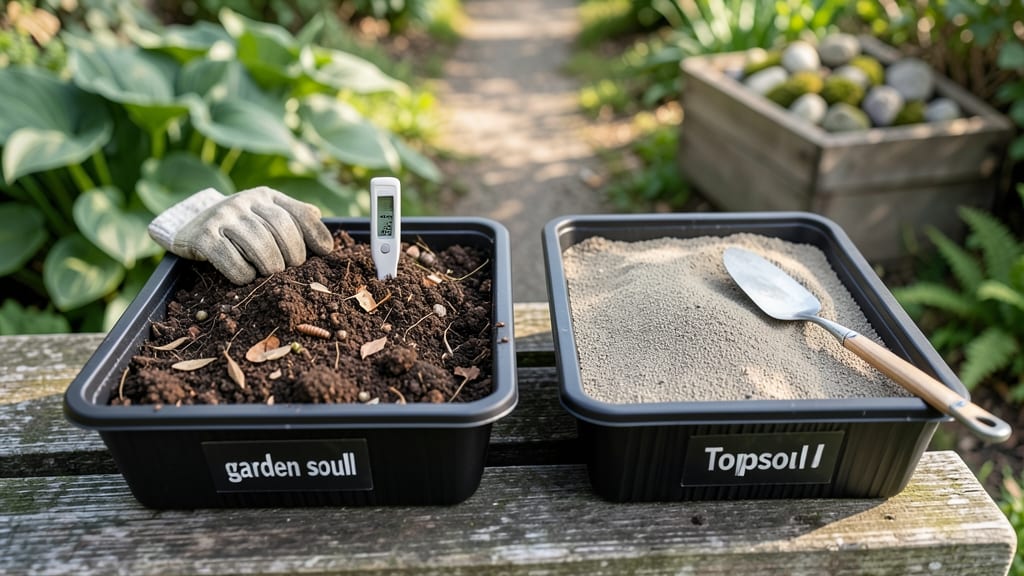
Understanding the difference between garden soil and topsoil saves you from buying the wrong bag and watching your plants struggle. 🌱 I learned the hard way when my tomato plants wilted despite "fertile" soil—turns out, what I needed was garden soil, not just topsoil.
The difference isn't just about labels; it's about what your plants actually need to thrive. Garden soil is a pre-mixed blend designed for planting—think vegetables, flowers, or shrubs. It already includes compost, nutrients, and organic matter to give roots a head start.
Topsoil, on the other hand, is just the top layer of earth, stripped of nutrients and often too dense for planting. It’s better for leveling lawns or filling in low spots where plants won’t grow.
For vegetable gardens or flower beds, garden soil is the clear winner because it’s formulated to support root growth and microbial activity. Topsoil might work for filling holes, but it won’t feed your plants. The best part?
Garden soil cuts down on the guesswork—no need to amend it with compost or fertilizer right away. If you’re landscaping or need to raise a garden bed, topsoil can be a budget-friendly base—but always mix it with compost. For everything else, garden soil is the foolproof choice.
Here’s how to pick the right one for your project.
The first product explained
Meet Miracle-Gro Garden Soil with Continuous Release Plant Food—your ultimate all-in-one solution for lush gardens and thriving plants! 🌱✨ Designed to bridge the gap between generic garden soil and premium topsoil, this product delivers a nutrient-rich blend that’s perfect for both beginners and seasoned gardeners. Whether you're planting flowers, vegetables, or shrubs, this soil is engineered to help your plants grow stronger, faster, and healthier from the get-go.
📏 Specs & Features
This premium garden soil comes in a 5 cubic foot bag, providing enough coverage for raised beds, flower pots, or small garden plots. Here’s what makes it stand out:
- Nutrient-Packed Formula: Infused with continuous-release plant food to feed your plants for up to 3 months, reducing the need for frequent fertilizing.
- Balanced pH: Optimized for most plants, ensuring optimal nutrient absorption.
- Moisture-Retentive: Helps reduce watering frequency while keeping roots hydrated.
- Weed & Pest Resistant: Designed to suppress weeds and deter common garden pests.
- Versatile Use: Ideal for in-ground planting, containers, and raised beds.
🎯 Target Users
This product is a game-changer for:
- Home Gardeners: Perfect for those who want an easy, no-fuss solution for vibrant gardens without the hassle of mixing soil components.
- Urban Farmers: Great for container gardening, balconies, or small spaces where topsoil isn’t an option.
- New Plant Parents: Ideal for beginners who want a forgiving, nutrient-rich medium to help their plants thrive.
- Eco-Conscious Gardeners: The continuous-release fertilizer reduces waste and minimizes the need for synthetic additives.
💰 Price Point & Value
Priced at $14.99 per 5 cubic foot bag, this product offers exceptional value for its quality and convenience. While it may be slightly more expensive than basic garden soil, the long-term benefits—like reduced fertilizing, healthier plants, and fewer weeds—make it a cost-effective choice over time.
Plus, the continuous-release feature means you’ll spend less on additional fertilizers, saving you money in the long run!
Pro Tip: 💡 For best results, mix this soil with your existing garden soil (if needed) to enhance its natural structure and drainage. It’s also a great top-dressing option for existing plants!
The second product explained
Meet Miracle-Gro Performance Organics All Purpose Raised Bed Soil—your go-to choice for nutrient-rich, plant-boosting topsoil that’s perfect for gardeners who want serious results without the guesswork. 🌱✨
📏 Specs & Features
This premium topsoil is specially formulated for raised beds, containers, and in-ground planting, blending organic matter with essential nutrients for faster, healthier growth. Here’s what sets it apart:
- Organic Blend: 100% natural ingredients, including composted plant and animal matter, to improve soil structure and fertility.
- Slow-Release Nutrients: Packed with nitrogen, phosphorus, and potassium to support strong roots, vibrant blooms, and bountiful harvests.
- Lightweight & Aerated: Designed to drain well while retaining moisture—ideal for preventing root rot in containers or heavy clay soils.
- pH-Balanced: Optimized for most plants (6.0–7.0 range), reducing the need for extra amendments.
- Bag Size: Available in 2 cu. ft. bags (perfect for small projects) and 40 lb. bulk bags (for larger gardens).
🎯 Who’s It For?
This topsoil is a game-changer for:
- 🌿 Beginner gardeners who want foolproof, nutrient-dense soil without the hassle of mixing components.
- 🏡 Urban gardeners with containers, raised beds, or small yards—no heavy lifting required!
- 🍅 Vegetable & herb growers seeking faster germination and higher yields.
- 🌸 Flower enthusiasts looking for vibrant, long-lasting blooms.
- 🔄 Eco-conscious gardeners who prefer organic, sustainable soil amendments.
💰 Price Point & Value
Priced competitively at $12.97 per 2 cu. ft. bag (or ~$3.25 per cubic foot), this topsoil offers exceptional value for its quality and convenience.
Bulk discounts are often available for larger orders, making it a cost-effective choice for serious gardeners. Pro Tip: 💡 Mix with garden soil (like Product A) for a custom blend tailored to your plants’ needs!
🌟 Why Choose This Over Garden Soil?
While garden soil is great for amending existing earth, this topsoil is pre-mixed for peak performance. It’s lighter, more fertile, and designed to work immediately—no waiting for compost to break down. Perfect for newly built beds, seed starting, or reviving tired soil!
Head-to-head comparison
Now that we’ve explored the basics of garden soil and topsoil, let’s dive into a side-by-side comparison to help you decide which is best for your gardening needs.
Whether you're planting flowers, growing veggies, or laying sod, understanding these differences will save you time, money, and frustration. Here’s how they stack up across key dimensions:
🌱 Performance in Plant Growth
When it comes to nurturing plants, the two soils serve different purposes—and their performance varies significantly:
- Garden Soil: This is the all-in-one solution for most gardening tasks. It’s already enriched with organic matter (like compost or aged manure), nutrients, and beneficial microbes, making it ideal for direct planting of flowers, vegetables, shrubs, and trees. Think of it as the premium blend for your garden’s foundation.
- Topsoil: While topsoil is fertile, it’s raw and unfinished. It lacks the organic matter and nutrients found in garden soil, so it’s best used as a base layer or for leveling uneven ground. You’ll need to amend it with compost or fertilizer to make it plant-ready.
Winner for performance: Garden soil takes the lead for immediate plant health, while topsoil is better for preparing the ground before adding garden soil or other amendments.
💰 Price and Cost-Effectiveness
Your wallet will notice the difference between these two soils. Here’s the breakdown:
| Factor | Garden Soil | Topsoil |
|---|---|---|
| Cost per Cubic Yard | $20–$50 | $10–$30 |
| Long-Term Value | Higher (ready to use, fewer amendments needed) | Lower (requires additional nutrients or compost) |
| Best Budget Use | Small gardens, containers, or raised beds | Large projects like leveling yards or building bases |
Pro Tip: 💡 If you’re on a tight budget, consider mixing topsoil with compost to create a budget-friendly alternative to garden soil. Just ensure the final blend has enough organic matter!
🏗️ Durability and Longevity
How long will these soils hold up under your gardening demands? Let’s compare:
- Garden Soil: Designed to retain moisture and nutrients over time, garden soil stays fertile longer—especially if you top it up with compost occasionally. It’s less prone to compaction and erosion, making it a durable choice for ongoing plantings.
- Topsoil: While durable for structural projects (like building a garden bed), it depletes faster when used for planting. Without amendments, it can become compacted or nutrient-poor, requiring frequent refreshers.
Winner for durability: Garden soil wins for sustained plant health, while topsoil excels in structural stability for non-planting uses.
🌿 Nutrient Content and Soil Health
Healthy plants start with healthy soil. Here’s how these two compare:
- Garden Soil:
- 📊 Rich in organic matter (10–20% or more), which improves water retention and aeration.
- 💪 Contains essential nutrients like nitrogen, phosphorus, and potassium, plus beneficial microbes for plant growth.
- 🥗 Ideal for sensitive plants like herbs, vegetables, and flowers that thrive in nutrient-dense environments.
- Topsoil:
- 📉 Lower organic content (typically 5–10%), making it less fertile out of the box.
- ⚠️ May lack microbes and nutrients unless sourced from a high-quality supplier.
- 🔄 Requires amendments (like compost or fertilizer) to support most plants.
Pro Tip: ✨ If you use topsoil for planting, mix in 20–30% compost or aged manure to boost its nutrient profile and mimic garden soil’s benefits.
🛠️ Ease of Use and Versatility
Not all soils are created equal when it comes to convenience. Here’s how they measure up:
- Garden Soil:
- 👍 Ready to plant immediately—no prep work needed beyond loosening the soil.
- 🌱 Versatile for containers, in-ground planting, and raised beds.
- ⏱️ Saves time since you don’t need to amend it.
- Topsoil:
- ⚙️ Requires additional steps (amending, leveling, or mixing with compost).
- 🏗️ Best for large-scale projects like filling in low spots, building slopes, or creating new garden beds.
- 🔧 May need tools like rakes or tillers to prepare it for planting.
Winner for ease: Garden soil is the clear winner for convenience, while topsoil shines in landscaping and structural projects.
🌦️ Climate and Drainage Adaptability
Not all soils perform equally in different climates or drainage conditions:
- Garden Soil:
- 🌧️ Excellent for retaining moisture in dry climates due to its high organic content.
- 💧 Balanced drainage—won’t suffocate roots with excess water.
- 🥶 Holds up well in cooler climates thanks to its nutrient density.
- Topsoil:
- ⚠️ Can become waterlogged if not amended, leading to root rot in heavy rains.
- 🔥 May dry out faster in hot climates without organic matter to retain moisture.
- 🌡️ Requires amendments for extreme climates (e.g., adding sand for drainage or peat moss for moisture retention).
Pro Tip: 🌡️ For topsoil in wet climates, mix in perlite or coarse sand to improve drainage. In dry climates, blend with compost or coconut coir to boost water retention.
Which one should you choose?
So, you’ve weighed the pros and cons, and now you’re ready to make a decision—but which one is right for you? The answer depends on your project goals, budget, and long-term plans. Let’s break it down so you can confidently choose between garden soil and topsoil!
🌱 Best for Planting Gardens & Raised Beds
If you’re growing vegetables, flowers, or shrubs in a garden or raised bed, garden soil is your best bet. Its nutrient-rich composition and improved drainage create an ideal environment for root development and plant health.
Plus, it’s already mixed with compost and organic matter, so you won’t need to amend it further. Perfect for beginners or those who want low-maintenance, high-yield results!
🏗️ Best for Leveling Land & Large-Scale Projects
Need to fill in low spots, create a new lawn, or prep a large area for landscaping? Topsoil is the winner here. It’s cost-effective, widely available, and great for covering broad surfaces.
Just remember: you’ll likely need to add compost or fertilizer afterward to boost nutrients. Great for DIYers tackling big projects on a budget!
💡 Pro Tip: Mix and Match for Best Results!
Why choose just one when you can combine them? For example:
- Layer topsoil as a base for new garden beds, then top it with garden soil for planting.
- Use topsoil to level uneven ground, then blend in garden soil for planting areas.
- For containers or small pots, garden soil alone will suffice—no need for topsoil!
💰 Budget Consideration
Topsoil is generally cheaper per cubic yard, making it ideal for large projects. Garden soil, while pricier, saves you time and effort by eliminating the need for amendments. Weigh your wallet against your time—what’s more valuable to you?
🌿 Final Verdict
Still unsure? Here’s a quick cheat sheet:
| Choose Garden Soil If... | Choose Topsoil If... |
|---|---|
| You’re planting vegetables, flowers, or shrubs. | You need to level land or cover large areas. |
| You want nutrient-rich soil with minimal prep. | You’re on a tight budget for big projects. |
| You prefer convenience and long-term plant health. | You’re okay with adding compost/fertilizer later. |
No matter which you pick, you’re setting your plants up for success! Happy digging! 🌱✨