
Blooming
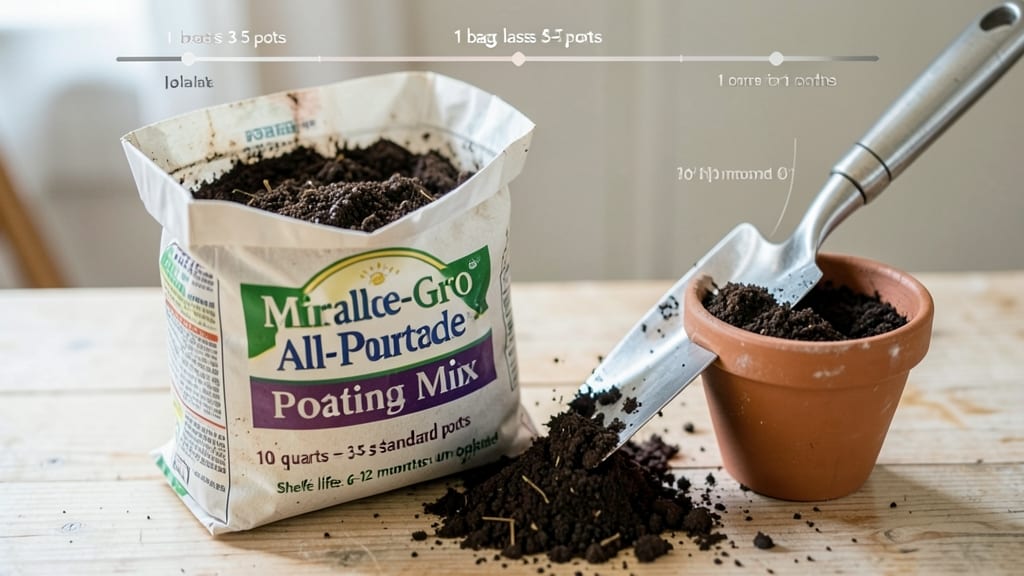
A single bag of potting soil can last 6 months to 2 years—but only if you store it right. 🌱 I’ve learned the hard way that leaving it exposed to moisture or heat turns that golden bag of potential into a compacted, moldy mess within weeks.
The key isn’t just the brand or price tag; it’s how you treat it before it even hits the pot.
Moisture is the silent killer—even a slightly damp bag invites fungus gnats and bacterial growth. Additives like peat moss or compost speed up degradation, while sterilized mixes stay fresher longer.
Store unopened bags in a cool, dry place (like a garage or basement) and keep them sealed tight. Once opened, transfer leftover soil to airtight containers to extend its life.
You can refresh used soil by mixing in 10% fresh potting mix or compost, then sterilizing it in the oven (200°F for 30 minutes) to kill pathogens. This cuts costs and waste while keeping plants healthy. My tomato seedlings thrive in reused soil this way—just don’t skip the sterilization step.
Pro tip: Label bags with the purchase date so you know when to refresh. A little planning turns a $4 bag into a multi-season resource, not a one-time expense. Your wallet—and your plants—will thank you.
📚 In This Guide
- What you need
- Instructions
- Tips and common mistakes
- Wrapping up and next steps
What you need
- ● Unopened bag of potting soil – Any size (e.g., 2 cu. ft., 5 cu. ft., or larger), but check the label for organic matter content (peat, compost, or coconut coir).
- ● Storage container – A clean, airtight bin, bucket, or resealable plastic bag (5-gallon size or larger, depending on bag size).
- ○ Moisture meter or hygrometer (optional but helpful) – To check soil moisture levels (aim for 50-70% humidity for long-term storage).
- ● Label and marker – To note the purchase date and soil type (e.g., "Organic Mix – Bought 5/2024").
- ● Small hand shovel or scoop – For transferring soil without spilling or compacting it.
- ● Desiccant packets (e.g., silica gel) – Place 1-2 packets in the container to absorb excess moisture and prevent mold.
- ● Food-grade plastic wrap – Wrap the top of the soil tightly before sealing the container for extra protection.
- ● Soil sterilization tool – A microwave-safe container (for small batches) or a propane torch (for outdoor sterilization) to kill weeds/seeds before storage.
- ● Notebook or app – To track soil usage, moisture checks, and any signs of degradation (e.g., color changes, mold, or unpleasant odors).
- ● Dry, cool storage space – Ideal temp: 40–60°F (4–15°C). Avoid garages, basements, or areas with humidity >70%.
- ● No direct sunlight – UV rays degrade organic matter faster. Store in a dark closet or under a shelf.
- ● Proper ventilation – If storing in a non-airtight container, ensure small gaps for airflow to prevent rot.
How to maximize your potting soil’s shelf life
Here’s how to keep your potting mix fresh and ready for planting—no wasted bags here.
📅 Step 1: Check the Expiration Date First
Most bags of potting soil have a 1-2 year shelf life printed on the label. If it’s been open for months or the bag feels stiff and dry, it’s past its prime. I always check this before digging in—old soil compacts poorly and may harbor mold or pests lurking in dried-out pockets.
Even unopened bags degrade over time. Store them in a cool, dry place like a garage or shed, away from direct sunlight or temperature swings. Humidity is the real enemy—it causes clumping and nutrient breakdown. If you see dark spots or a musty smell, toss it.
☀️ Step 2: Store Opened Bags Properly
Once opened, seal the bag tightly with plastic wrap or a zip-top bag to lock in moisture. I press the wrap directly against the soil surface to prevent air exposure. Place the bag in a shaded, ventilated area—not the fridge, not the attic, but somewhere like a basement corner where temps stay 50-70°F.
Pro tip: If the soil dries out completely, you can revive it by adding water gradually until it reaches a crumbly, damp-but-not-wet consistency. But if it’s been sitting for over 6 months open, it’s better to compost it and start fresh. Revived soil may not hold moisture or nutrients as well.
⏰ Step 3: Use Soil Within 6 Months of Opening
After opening, potting soil’s quality drops fast. The organic matter breaks down, and beneficial microbes die off. I mark the opening date on the bag with a Sharpie—6 months is the cutoff for reliable performance. Beyond that, roots struggle to penetrate compacted soil, and seedlings may rot instead of thrive.
Watch for these signs it’s time to replace it: hard clumps that won’t break apart, a strong earthy or sour smell, or visible mold. If your plants wilt quickly after watering or grow poorly despite care, the soil’s lost its structure. Fresh mix is the fix.
🌱 Step 4: Extend Life with Proper Planting Practices
How you use the soil affects its longevity. Aerate used soil by mixing in 10-20% fresh potting mix or perlite after each planting cycle. This prevents compaction and revives drainage. I also top-dress with compost or worm castings to replenish nutrients without fully replacing the soil.
For container gardens, rotate crops annually—don’t replant the same species in the same pot. This prevents disease buildup and nutrient depletion. If you’re growing heavy feeders like tomatoes or peppers, refresh the soil every 2-3 months to keep it productive.
🪴 Step 5: Know When to Compost Old Soil
Not all soil is salvageable. If it’s rock-hard, moldy, or smells foul, compost it instead of tossing it. Break it into chunks and mix with garden waste in a bin—it’ll break down into rich humus over 3-6 months. This is especially useful for large batches you can’t justify replacing.
Real talk: I’ve salvaged "bad" soil this way for raised beds. Just avoid composting soil with chemical fertilizers or pesticides—those contaminants won’t break down safely. Stick to organic mixes only for composting.
Tips & tricks for maximizing potting soil shelf life
These practical strategies will help you squeeze every bit of value from your potting mix—without sacrificing quality.
Storage Temperature Matters: The ideal storage range of 50-70°F might feel broad, but here's the real deal: aim for the cooler end (55-65°F) if you live in a humid climate. Warmer temps accelerate microbial activity that breaks down organic matter faster. I keep my bags in an unheated garage during summer months—this extends their usable life by up to 3 months compared to basement storage.
The 6-Month Rule is Non-Negotiable: That 6-month cutoff after opening isn't arbitrary—it's when beneficial microbes start dying off and organic matter breaks down into unusable compounds. Mark your opening date with a permanent marker right on the bag. If you're not using it within 6 months, consider splitting it into smaller containers for different plant types to maximize freshness.
Reviving Soil is a Last Resort: When you revive dried-out soil by adding water, you're creating a temporary fix that disrupts the soil's natural structure. For best results, add water in thin layers (about 1 tablespoon at a time) while mixing thoroughly. Stop when the soil holds together when squeezed but doesn't form a wet clump. This method works best for soil that's been open less than 3 months.
Composting Old Soil has Rules: Not all soil can be composted safely. Only compost soil that's completely dry and shows no signs of chemical treatment. For heavily contaminated soil, create a separate compost pile away from your main garden area. The 3-6 month breakdown time assumes you're mixing with equal parts garden waste—add more carbon-rich materials like leaves if your soil is particularly nitrogen-heavy.
Pro Tips for How Long Does A Bag Of Potting Soil Last
- These practical strategies will help you squeeze every bit of value from your potting mix—without sacrificing quality.
- Storage Temperature Matters: The ideal storage range of 50-70°F might feel broad, but here's the real deal: aim for the cooler end (55-65°F) if you live in a humid climate.
- The 6-Month Rule is Non-Negotiable: That 6-month cutoff after opening isn't arbitrary—it's when beneficial microbes start dying off and organic matter breaks down into unusable compounds.
Frequently asked questions
Got questions about your potting soil’s shelf life? You’re not alone!
Here are the most common concerns—and straightforward answers—to help you make the most of your gardening investment.
How do I know if my potting soil has gone bad?
Check for mold (fuzzy spots), a musty smell, or clumps that won’t break apart. If your soil feels slimy, looks discolored, or repels water, it’s time to toss it. Pro tip: Store soil in a cool, dry place to slow spoilage.
Can I use potting soil that’s been open for a year?
Unopened bags last 1–2 years if sealed tightly, but opened soil degrades faster—especially if exposed to moisture. After 6–12 months, top it off with fresh soil or compost to revive nutrients. Bonus: Mix in perlite or vermiculite to lighten old soil.
What’s the best way to extend my potting soil’s life?
Store it in a sealed container (like a plastic bin with a lid) in a dry, dark place (e.g., garage or basement). Avoid humidity—moisture speeds up decomposition. For long-term use, freeze unused portions to kill weeds/seeds.
Can I reuse old potting soil for seedlings or herbs?
Yes! Sterilize it first by baking at 200°F (93°C) for 30 minutes to kill pathogens. Mix with 20% fresh soil for herbs/seedlings to boost nutrients. Warning: Avoid reuse for veggies like tomatoes—pathogens linger.
Is it cheaper to buy soil in bulk or smaller bags?
Bulk soil (e.g., 40-lb bags) is cost-effective for long-term projects, but smaller bags (5–10 lbs) work better for short-term use. Calculate your needs: Bulk saves money if you’ll use it within 6 months; smaller bags reduce waste for occasional gardeners.
What can I do with leftover potting soil?
- Compost it: Add to your compost pile (avoid diseased plants).
- Donate it: Local community gardens or schools often need soil.
- Repurpose: Use as mulch or fill for non-plant projects (e.g., DIY planters).
- Recycle: Check local green waste programs—some accept soil.
Wrapping up and next steps
So there you have it—your bag of potting soil’s shelf life isn’t as mysterious as you thought! With proper storage, it can last 6 months to 2 years, keeping your plants thriving without waste.
Whether you’re a seasoned gardener or just starting, understanding these tips ensures you’re always ready to nurture your green babies. 🌱
Now that you’re armed with the know-how, why not take the next step? Try experimenting with different soil mixes or even composting old soil to extend its life even further. Happy gardening—your plants (and future harvests) will thank you! 🌿