
How To
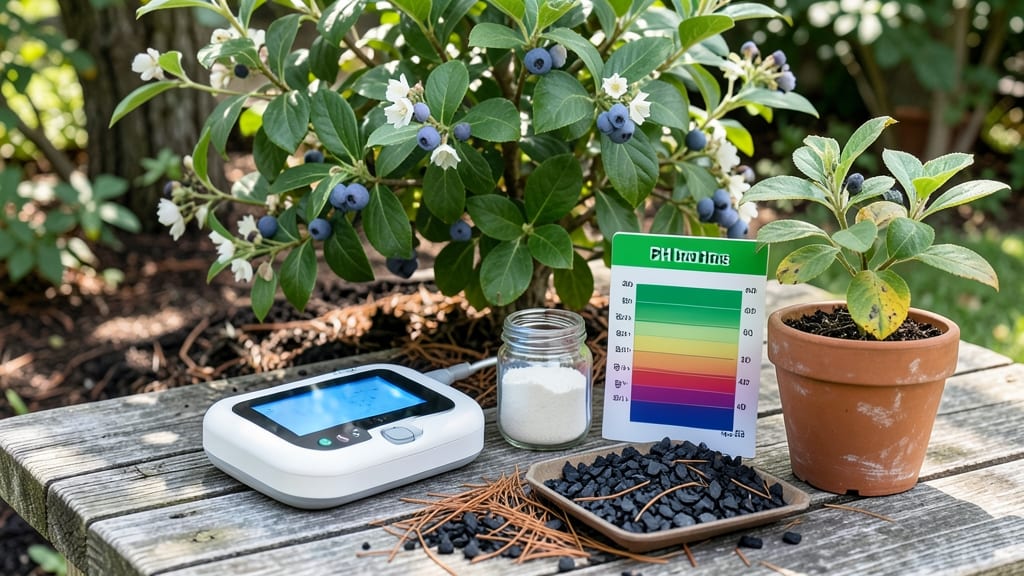
Your plants are starving—just not for water. 🌱 Balancing soil pH isn’t just science; it’s the difference between thriving blueberries and sad lettuce. I’ve fixed mine in three steps, and your garden can too, without guesswork or expensive mistakes.
The first step is knowing your soil’s personality—is it too sour for peonies or too sweet for azaleas? A simple test kit (or even vinegar/baking soda) reveals the truth in minutes. Most garden soils lean alkaline, but that’s bad news for acid-lovers like potatoes and hydrangeas.
The fix? A handful of sulfur for acid lovers or crushed limestone for alkaline plants—just don’t overdo it.
You’ll see the difference in weeks: deeper green leaves, stronger stems, and plants that actually eat what you give them. Blueberries will fruit like crazy, and your roses will bloom bigger than ever.
The key is patience—soil changes take time, but it’s worth the wait for a garden that finally works.
Re-test in three months to check your progress. Overdoing amendments is easy, but with this method, you’ll nail it the first time. Now grab that test kit—your struggling plants are waiting for you.
📚 In This Guide
- What you need
- Instructions
- Tips and common mistakes
- Wrapping up and next steps
What you need
- ○ Soil pH testing kit – Digital or liquid test kit (e.g., LaMotte or MySoil for accuracy). Optional: DIY vinegar/baking soda test for a quick (but less precise) check.
- ● Garden gloves – Heavy-duty nitrile or rubber gloves (1 pair) to protect your hands from soil and amendments.
- ● Garden trowel or shovel – For mixing amendments into the top 6–12 inches of soil.
- ● Measuring cups or scoops – For precise application of amendments (e.g., 1–2 cups per square foot, depending on soil type).
- ● pH-adjusting amendments (choose based on your soil’s needs): For acidic soil (pH Lime (calcium carbonate) – 10–20 lbs per 100 sq ft (check calcium carbonate (CaCO₃) content on the bag; aim for 90–100%).
- ● Wood ash – 1–2 cups per sq ft (use sparingly; can raise pH too quickly).
- ● For alkaline soil (pH > 7.0): Elemental sulfur – 1–2 lbs per 100 sq ft (slower-acting but effective).
- ● Peat moss or pine bark – 2–3 inches mixed into the topsoil (organic, long-term solution).
- ● Aluminum sulfate – 5–10 lbs per 100 sq ft (fast-acting; use cautiously).
- ● Watering can or hose – For hydrating soil after applying amendments (helps activate changes).
- ● Notebook or app – To log pH readings before/after adjustments (e.g., Gardenize or a simple spreadsheet).
- ● Soil test report – From a local extension office (more precise than home kits; costs ~$20–$50).
- ● Compost or organic matter – 1–2 inches mixed into soil to improve structure and buffer pH swings.
- ● pH buffer solution – For calibrating your testing kit (included in some kits).
- ● Wheelbarrow – For mixing large quantities of amendments (e.g., lime or sulfur).
How to adjust soil pH for your garden
Here's how I fix pH problems without guesswork—just science and simple steps.
🧪 Step 1: Test Your Soil's Current pH
Start with a soil pH test kit (digital or liquid) from your garden center. Dig a 6-inch deep sample from the root zone of your plants—avoid surface soil, which can be misleading. I like to take 3-4 small samples from different spots and mix them together for an average reading.
Follow the kit instructions to mix the sample with water or the test solution. Most kits give results in 24 hours, but digital meters show readings instantly. Write down the number—this tells you exactly how much to adjust. For example, if your soil tests at 6.2 (slightly acidic) but your blueberries need 4.5-5.5, you'll know to lower the pH by about 1.5 points.
🌱 Step 2: Choose and Apply the Right Amendment
For acidic soil (pH 7.0+)—like for blueberries, azaleas, or potatoes—sprinkle elemental sulfur evenly over the soil. Use 1 pound of sulfur per 100 square feet for every 1 pH point you need to lower. Work it into the top 6 inches of soil with a rake or tiller. This takes 2-3 months to fully adjust the pH, so plan ahead.
For alkaline soil (pH 6.9-)—like for veggies, roses, or lawns—scatter pelletized lime (calcium carbonate) at 10 pounds per 100 square feet for each 1 pH point you want to raise. Lime works faster than sulfur, usually in 1-2 months. Water the area lightly after applying to help it settle into the soil.
⏰ Step 3: Re-Test and Monitor Over Time
Wait 2-3 months after applying amendments, then test the soil again. You might not hit your target pH perfectly on the first try—this is normal. If the pH hasn’t shifted enough, reapply the amendment at half the original rate and retest in another month. Overcorrecting can harm plants just as much as leaving the pH wrong.
Once you reach the ideal pH, keep an eye on it seasonally. Soil naturally shifts over time, especially after rain or heavy watering. A quick test every spring and fall ensures your plants stay happy without extra work. I mark my calendar so I don’t forget—trust me, you’ll thank yourself later.
Tips & tricks for perfect soil pH balance
Let me save you the trial-and-error I went through—these are the tricks that make soil pH adjustments foolproof.
Sampling Strategy: When collecting your 6-inch deep soil samples, focus on the root zone where plants actually grow. I've learned the hard way that surface soil can give misleading results—it's often more acidic due to organic matter. Mix your samples thoroughly to get an accurate average reading. This step is critical because your entire adjustment plan depends on it!
Application Technique: For elemental sulfur, spread it evenly and work it into the top 6 inches of soil—don't just sprinkle it on top. I use a bow rake to mix it in gently, being careful not to compact the soil. For pelletized lime, water the area lightly after application to help it settle into the soil profile. This makes all the difference in how quickly and effectively the amendments work.
Timing is Everything: The 24-hour waiting period for test results might seem long, but it's worth it for accuracy. Digital meters give instant results, which is handy if you're in a hurry, but they can sometimes be less precise than liquid test kits. I always double-check my results by comparing them with the color chart provided in the kit.
Seasonal Consideration: Spring and fall are the best times to test and adjust your soil's pH. During these seasons, soil temperatures are moderate, and plants are actively growing, which means they'll respond better to any amendments you apply. This timing helps ensure your plants have access to optimal nutrients right when they need them most.
Pro Tips for Balance Soil Ph
- Let me save you the trial-and-error I went through—these are the tricks that make soil pH adjustments foolproof.
- Sampling Strategy: When collecting your 6-inch deep soil samples, focus on the root zone where plants actually grow. ...
- Application Technique: For elemental sulfur, spread it evenly and work it into the top 6 inches of soil—don't just sp...
Frequently asked questions
Got questions about balancing your soil pH? You’re not alone—let’s tackle the most common ones to keep your garden thriving!
How often should I test my soil pH?
Test your soil every 1–2 years for established gardens, or annually if you’re troubleshooting plant issues. New gardens or heavily amended soil may need checks every 6–12 months. Use a soil test kit or send samples to a local extension office for precise results.
How long does it take to adjust soil pH?
Adjustments aren’t instant! Organic amendments (like compost or sulfur) can take weeks to months to shift pH, while lime (for acidity) may show changes in 1–3 months. Rainfall, soil type, and plant activity also play a role—patience is key! Monitor progress with regular tests.
Can I use household items like vinegar or baking soda to balance pH?
While vinegar (acetic acid) or baking soda (alkaline) can temporarily tweak pH in small pots, they’re not reliable for long-term garden soil. Vinegar can harm beneficial microbes, and baking soda may disrupt nutrient availability. Stick to proven amendments like sulfur, lime, or peat moss for lasting results.
Why did my pH change after adding amendments?
Fluctuations happen! Rain can dilute amendments, soil microbes may consume organic matter (altering pH), or root activity can release acids. If changes are drastic, retest after 2–4 weeks. For stubborn shifts, reapply amendments in smaller, incremental doses to avoid overcorrecting.
My plants look fine—do I still need to balance pH?
Even if plants survive, optimal pH (6.0–7.0 for most veggies) ensures better nutrient uptake, leading to stronger growth and higher yields. Some plants (like blueberries or azaleas) thrive in acidic soil (4.5–5.5). Test and adjust proactively to prevent hidden deficiencies!
Wrapping up and next steps
Balancing your soil’s pH doesn’t have to be overwhelming—just follow the three simple steps we’ve shared, and you’ll be well on your way to healthier plants and a thriving garden! 🌱 Whether your soil leans acidic or alkaline, the right amendments and patience will make all the difference.
Now that you’re armed with the knowledge, grab your pH tester, roll up your sleeves, and start testing those soil samples—your plants will thank you!
Ready to take it further? Experiment with organic matter like compost or peat moss to fine-tune your results over time. Happy gardening!