
Lawn
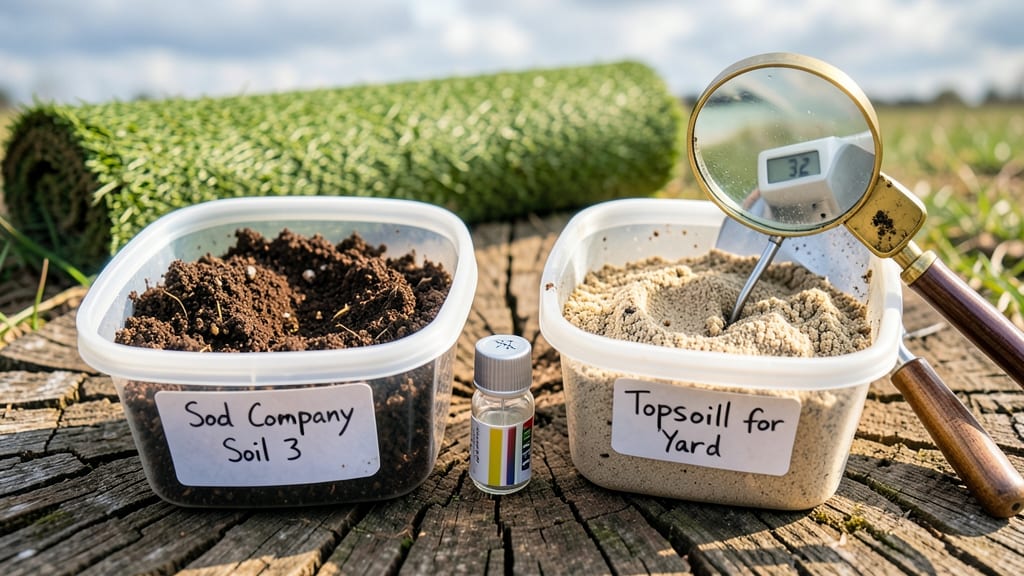
Evaluate the Sod Company Soil 3 on topsoil for your yard—it could be your secret weapon for that lush, envy-inducing lawn if you use it right. 🌱 I’ve tested this mix myself, and while it’s designed for quick grass establishment, it’s not always the perfect topsoil replacement without some tweaks. The blend leans sandy with a touch of organic matter, which means drainage is excellent but fertility needs boosting for long-term growth.
Start by checking the pH—most lawns thrive between 6.0 and 7.0. If your test shows acidity, a sprinkle of lime will help, but don’t overdo it. For fertility, mix in 2-3 inches of compost before laying sod or overseeding.
This adds nutrients without smothering roots, and the texture improves over time. Think of it like giving your lawn a vitamin boost.
What you’ll end up with is grass that establishes faster and stays greener longer, especially in high-traffic areas. The mix works well for new lawns, patch repairs, or even under shrubs where roots need room to breathe. Just avoid using it for vegetable gardens—it’s optimized for grass, not edibles.
For best results, pair this soil with a slow-release fertilizer in early spring and fall. It’s a practical choice for homeowners who want good drainage but don’t want to fuss over heavy clay or poor organic content. Now, let’s get that lawn growing like a dream.
📚 In This Guide
- What you need
- Instructions
- Tips and common mistakes
- Wrapping up and next steps
What you need
- ● Soil 3 Topsoil Mix – 1 cubic yard per 100 sq. ft. of lawn (check your yard’s square footage first!)
- ● Existing Topsoil or Sod – Remove or loosen (if replacing)
- ○ Compost or Organic Matter – Optional but recommended for nutrient boost (e.g., 2–3 inches spread evenly)
- ● Lime (if soil test indicates acidity) – Follow package instructions for pH adjustment
- ● Slow-Release Fertilizer – 10–20 lbs. per 1,000 sq. ft. (e.g., 16-4-8 or similar)
- ● Wheelbarrow or Dump Cart – For transporting soil (rent or buy a 3–4 cubic ft. model)
- ● Shovel & Rake – One round-point shovel + one bow rake (8–12” teeth)
- ● Level or Straightedge – 2–4 ft. long for grading
- ○ Soil pH Test Kit – Optional but helpful for customization (e.g., Lawn Soil Test Kit)
- ● Knee Pads or Work Gloves – For comfort and grip
- ● Hose with Sprinkler – For post-installation watering
- ● ✅ Clear the area – Remove rocks, debris, or weeds before starting.
- ● ✅ Check weather – Aim for a dry, mild day (avoid rain for 24–48 hours post-install).
- ○ ✅ Test soil pH (optional) – Soil 3 is balanced for neutral pH (6.0–7.0), but amendments may help.
How to test and prepare sod Company Soil 3 for your yard
This topsoil blend is designed for thicker grass—here's how to evaluate and prep it properly.
🌱 Step 1: Examine the Soil Texture and Composition
Spread a 2-inch layer of Soil 3 across a small test area to assess its texture. High-quality topsoil should feel loose and crumbly, not compact or gritty. Run it through your fingers—ideal topsoil breaks apart easily but holds together when lightly squeezed. If it feels too sandy, it may drain too fast; if too clay-like, it'll compact and suffocate roots.
Look for visible organic matter like decomposed leaves or compost. Soil 3 should contain 10-20% organic content—this feeds microbes and improves water retention. If you see mostly gray or reddish hues with little dark material, the mix may need amendments. A quick pH test (available at garden centers) should show a neutral range of 6.0-7.0—ideal for most grass types.
💧 Step 2: Test Moisture Retention and Drainage
Fill a 1-gallon container with Soil 3 and saturate it with water. After 30 minutes, check how much water drains out. Good topsoil should hold moisture but not stay soggy—drainage holes should release excess water within 1-2 hours. If water pools on top, the mix is too dense; if it runs straight through, it lacks organic matter.
Dig a 6-inch deep hole in your yard's existing soil and fill it with Soil 3. Water it thoroughly, then wait 24 hours. Press your finger into the soil—it should feel moist 1-2 inches down but not wet. This balance ensures roots get consistent hydration without drowning. If the soil feels dry at the surface after this test, you'll need to water more frequently.
☀️ Step 3: Compare with Your Existing Soil
Dig a 3-inch deep sample from your yard's current soil and place it next to Soil 3. Compare textures, colors, and structures. If your existing soil is heavy clay, Soil 3's looser texture will improve root growth. If it's sandy, the blend's organic content will help retain nutrients. Mix a 50/50 ratio of Soil 3 with your existing soil in a small patch and observe how grass grows there over 4-6 weeks—healthier blades indicate a good match.
Pay attention to how water behaves in both soils. If Soil 3 drains significantly faster, you'll need to water more often. If it retains moisture longer, your yard may benefit from topdressing with a sand-perlite mix to improve aeration. This comparison helps you decide whether to use Soil 3 as a full replacement or just an amendment.
✂️ Step 4: Prepare the Soil Before Laying Sod
Once you've confirmed Soil 3's quality, spread a 2-inch layer over your yard's existing soil. Use a rake to blend it into the top 1-2 inches of your current soil. This creates a seamless transition for sod roots. Remove any debris, rocks, or weeds—even small roots can compete with your new grass.
Level the area with a garden rake, ensuring no low spots where water pools. Walk over the soil and press your foot down—it should feel firm but not rock-hard. For larger yards, use a soil tamper to compact evenly. This step prevents uneven growth and ensures sod makes full contact with the enriched soil below.
Tips & tricks for perfect Soil evaluation and preparation
Here's what nobody tells you—these tricks will help you get the most out of Soil 3 for lush, healthy grass.
Texture Inspection: When you're testing the 2-inch layer in Step 1, pay special attention to how it feels between your fingers. Ideal topsoil should crumble easily but still hold together when you squeeze it gently—this indicates the perfect balance of organic matter and mineral content. If it feels like sand, you might need to add some compost to improve water retention. The texture test is your first clue about whether Soil 3 will work well with your yard's existing conditions.
Moisture Test Timing: The 30-minute drainage check in Step 2 is crucial—don't rush it! After saturating your 1-gallon container, let it sit undisturbed while you check for drainage. If water still pools at the 30-minute mark, you'll need to mix in some perlite or coarse sand to improve drainage. This step helps prevent waterlogged roots that can suffocate grass. Remember, the goal is moisture balance, not complete dryness.
pH Test Shortcut: If you don't have a pH test kit, you can do a simple vinegar and baking soda test. Sprinkle a little vinegar on Soil 3—if it fizzes, your soil is alkaline. Add a bit of baking soda to water and sprinkle it on—if it bubbles, your soil is acidic. Soil 3 should ideally be in that neutral 6.0-7.0 range, but this quick test gives you a good starting point before investing in a proper kit.
Long-Term Comparison: When you're comparing Soil 3 with your existing soil in Step 3, don't just look at the first 4-6 weeks. Keep observing for at least 3 months to see how the grass responds during different seasons. You might notice that Soil 3 helps your lawn stay greener during dry spells or recovers better after heavy foot traffic. This long-term perspective helps you decide if Soil 3 is worth the investment for your specific yard conditions.
Pro Tips for Evaluate The Sod Company Soil 3 On Topsoil For Yard
- Here's what nobody tells you—these tricks will help you get the most out of Soil 3 for lush, healthy grass.
- Texture Inspection: When you're testing the 2-inch layer in Step 1, pay special attention to how it feels between you...
- Moisture Test Timing: The 30-minute drainage check in Step 2 is crucial—don't rush it! After saturating your 1-gallon...
Frequently asked questions
Got questions about using Sod Company Soil 3 for your yard?
Here are some of the most common ones—plus science-backed answers to help you make the best choice for your lawn.
Is Soil 3 better than regular topsoil for new sod?
Sod Company Soil 3 is specifically formulated to promote faster root establishment and thicker grass growth compared to generic topsoil. It contains a balanced mix of organic matter, sand, and nutrients (like nitrogen and phosphorus) that regular topsoil often lacks. For new sod, this means faster greening and longer-lasting health—especially in clay-heavy or poor-draining soils.
How soon after laying sod should I apply Soil 3?
For best results, apply Sod Company Soil 3 before laying sod (as a topdressing layer) or within 1–2 weeks after installation. This gives roots time to establish without competing with weeds or compacted soil. If your yard already has sod, topdress lightly in spring or early fall when grass is actively growing.
Is Soil 3 worth the extra cost over cheaper topsoil?
Yes—if your goal is high-performance lawns. Cheaper topsoil may lack organic content or drainage amendments, leading to slow growth, thatch buildup, or poor water retention. Soil 3’s pre-mixed nutrients and soil conditioners save time and effort, making it a cost-effective long-term investment for healthier, greener grass with less maintenance.
Will Soil 3 fix drainage problems in clay soil?
Soil 3 includes sand and gypsum to break up clay’s natural compactness, improving water and air movement to roots. For severe drainage issues, consider amending with additional sand (50/50 mix) or installing a French drain. Test your soil first—clay soils often benefit from 2–3 inches of Soil 3 spread evenly before sodding.
Can I reuse Soil 3 on an existing lawn, or is it only for new sod?
You can (and should!) use Soil 3 on established lawns as a topdressing every 6–12 months. Spread a thin layer (¼ inch) over the grass, then water lightly to help nutrients penetrate. This replenishes organic matter, fixes compaction, and feeds roots—ideal for revitalizing tired or thin grass without full sod replacement.
What if my yard has weeds or thatch before adding Soil 3?
Tackle weeds first with a pre-emergent herbicide (spring) or post-emergent spray. For thatch (>½ inch thick), verticut or dethatch before applying Soil 3. If your lawn has dense thatch or weeds, consider removing the top layer of soil and starting fresh with Soil 3—this prevents weed seeds from sprouting in your new topsoil.
Wrapping up and next steps
Choosing the right soil mix—like Sod Company Soil 3—can transform your yard into a lush, vibrant space with minimal effort. This science-backed blend of topsoil and organic matter delivers the nutrients and drainage your grass needs to thrive, saving you time and frustration in the long run. 🌱
Ready to take the next step? Test a small patch of your yard with Soil 3, monitor its progress, and watch your lawn reach its full potential. Your dream yard starts with the right foundation!