
Aphids
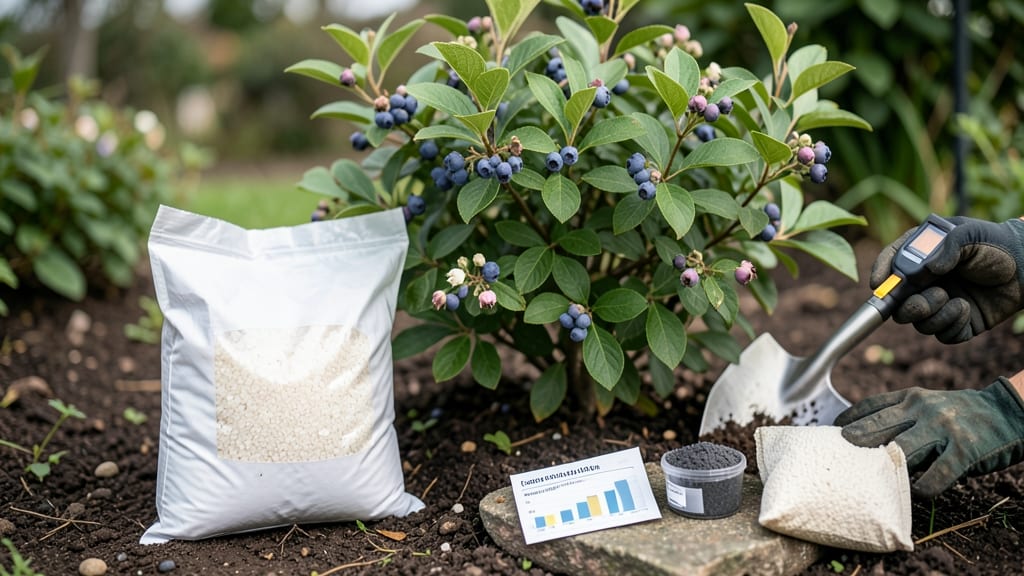
Epsom salt does not lower soil pH; it actually has a neutral or slightly acidic effect when dissolved, with a pH of around 6.0-7.0. Its primary benefit is supplying magnesium and sulfur, not altering acidity levels in the soil.
Epsom salt, chemically known as magnesium sulfate, is often misunderstood for its effects on soil acidity.
While it doesn't directly change pH, its magnesium content can indirectly support plant health in acidic soils by improving nutrient uptake. 🌱 For example, magnesium-deficient plants like tomatoes or peppers may show better growth when Epsom salt is applied, even though the soil's pH remains unchanged.
The key is understanding that magnesium is essential for chlorophyll production and enzyme activation, not for soil chemistry adjustments.
Many gardeners mistakenly believe Epsom salt can acidify soil, but its slight acidity when dissolved is negligible compared to dedicated soil amendments like sulfur or peat moss. Instead of relying on it for pH changes, use it as a targeted supplement for magnesium-deficient plants.
Always test your soil first to avoid overapplication, which can lead to nutrient imbalances.
💡 In This Article
- How Epsom Salt Affects Soil Chemistry and Plant Nutrition
- When and How to Use Epsom Salt for Acid-Loving Plants
How Epsom salt affects soil chemistry and plant nutrition
Epsom salt—magnesium sulfate heptahydrate (MgSO₄·7H₂O)—dissolves in water to form a solution with a pH of about 6.0-7.0, which is neutral to slightly acidic.
This means it won’t acidify your soil like sulfur or peat moss would. 🌱 The magnesium ions it releases are what plants crave, not the pH shift. When dissolved, magnesium becomes bioavailable, supporting chlorophyll production and enzyme functions that keep plants thriving.
Unlike acidic amendments, Epsom salt doesn’t disrupt the soil’s natural chemistry because it lacks the strong acidic compounds (like aluminum sulfate) that actively lower pH.
The slight acidity of dissolved Epsom salt is temporary and negligible in most soils. For example, a 1 tablespoon per gallon solution (common for foliar sprays) has a pH of ~6.5—far too weak to alter soil acidity.
The real magic happens in the plant: magnesium helps activate enzymes that convert sunlight into energy, giving plants a metabolic boost. This is why magnesium-deficient plants (like tomatoes or peppers) show yellowing leaves between veins—a classic sign of deficiency—even in acidic soils where pH isn’t the issue.
What most gardeners overlook is how magnesium interacts with other nutrients. In acidic soils, aluminum and manganese can become toxic to plants, but magnesium helps buffer these effects by improving nutrient uptake. 💫 For instance, magnesium-deficient plants struggle to absorb phosphorus, even if the soil tests high in it.
This is why Epsom salt can indirectly improve growth in acidic soils—not by changing pH, but by making other nutrients more accessible. Think of it as a nutrient multiplier rather than a pH adjuster.
Soil microbes also play a role. While Epsom salt doesn’t directly feed microbes, the magnesium it provides can enhance microbial activity by improving soil structure and nutrient cycling. For example, mycorrhizal fungi—critical for root health—thrive in soils with balanced magnesium levels.
This microbial boost can create a more fertile environment, which may indirectly support plants that prefer slightly acidic conditions (like blueberries or azaleas), but again, the pH itself isn’t being lowered.
To put it simply: Epsom salt is a magnesium delivery system, not a pH modifier. If your goal is to lower soil pH, you’d need dedicated amendments like elemental sulfur (which reacts with soil moisture to form sulfuric acid) or pine bark fines.
Epsom salt’s role is to supplement magnesium—especially in sandy soils where it leaches quickly or in container gardens where nutrients are limited. Always test your soil first to avoid overapplying, as excess magnesium can disrupt calcium uptake, leading to blossom-end rot in tomatoes or other deficiencies.
For a real-world example, consider a container garden with peppers.
If the soil tests acidic (pH <6.0) and the plants show magnesium deficiency (yellowing leaves), a 1 tablespoon of Epsom salt per gallon of water applied as a foliar spray or soil drench can revive growth without altering the pH. The plants will absorb the magnesium directly, while the soil’s acidity remains unchanged.
This targeted approach is why Epsom salt is a staple in organic gardening—not for pH, but for plant vitality.