
Plants
The type of soil your avocado plant grows in determines whether it thrives or slowly dies—root rot and yellowing leaves are often the first signs you’ve got it wrong.
Picture this: your 🥑 plant sits in a pot for months, its roots circling the same damp soil, while you water it like a thirsty houseplant. The truth? Avocados hate soggy feet and need a well-draining mix that mimics their native volcanic slopes. Without it, even the hardiest varieties struggle.
This isn’t just about throwing in sand or perlite—it’s about balancing texture, pH, and aeration. Too much clay? Roots suffocate. Too little organic matter? Nutrients wash away.
I’ll break down the exact ratios, the pH sweet spot, and how to fix common mistakes (like that sad, waterlogged pot you’ve probably had).
By the end, you’ll know how to create a mix that keeps your avocado’s roots happy year-round—whether you’re in a warm climate or coaxing one along indoors. No more guesswork, just growth.

Best soil mix for avocado plants: the science behind well-draining blends
Avocado plants thrive when their roots breathe easily—poor drainage is their #1 killer. Native to tropical climates, these trees demand well-aerated soil that mimics their natural sandy loam environment. Without it, roots suffocate, leading to root rot and leaf drop.
The key? A mix that balances organic matter, mineral content, and air pockets to keep moisture just right.
Your avocado’s soil should never stay soggy for more than a few hours. Clay-heavy soils are a death sentence, while sandy mixes prevent nutrient retention. The sweet spot? A 50-70% mineral base (like coarse sand or perlite) combined with 30-50% organic material (compost or coconut coir).
This combo ensures roots get both oxygen and nutrients without drowning.
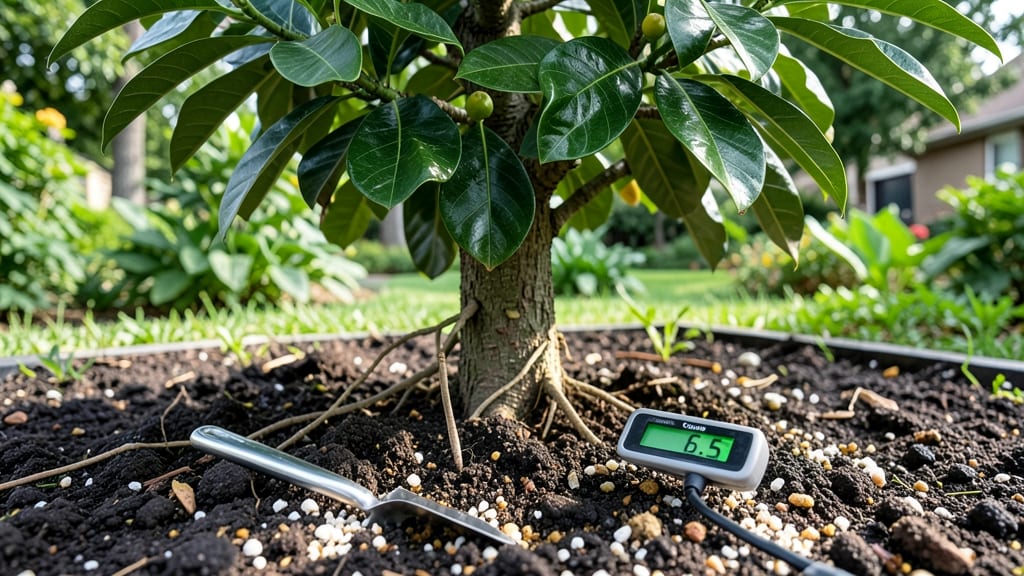
The pH balance of your soil mix is just as critical as drainage. Avocados prefer a slightly acidic to neutral range (6.0-7.0).
Test your mix with a soil pH meter—if it’s below 5.5 or above 7.5, roots struggle to absorb iron, zinc, and manganese, causing yellowing leaves (a classic deficiency sign). Adjust with lime (to raise pH) or sulfur (to lower it) if needed.
For container-grown avocados, I recommend a pre-mixed blend of:
- 60% cactus/succulent mix (for drainage)
- 20% perlite (extra aeration)
- 15% worm castings (gentle nutrients)
- 5% horticultural charcoal (fungal protection)
Organic matter isn’t just filler—it’s the backbone of your avocado’s diet. Aim for 10-20% compost or aged manure to feed beneficial microbes. These tiny organisms break down nutrients into forms the plant can use, like nitrogen for leaves and phosphorus for roots. Skip fresh manure—it burns roots and throws off the carbon-to-nitrogen ratio your avocado needs.
Pro tip: Top-dress your avocado’s soil annually with a 1-inch layer of compost in early spring. This mimics nature’s slow-release fertilizer while improving soil structure over time. Think of it like giving your plant a nutrient-rich blanket that keeps roots cozy but never waterlogged.
Regional adaptations matter! In temperate zones, add extra perlite to prevent winter soil compaction. In humid climates, boost charcoal content to reduce fungal risks. Always avoid peat moss—it’s acidic and drains too slowly, creating the perfect storm for root rot in avocados.
Finally, never reuse old soil without refreshing it. Over time, salts and minerals build up, creating a crusty, inhospitable environment. Every 2-3 years, replace 25% of the soil in containers or till in fresh compost for in-ground plants.
Your avocado’s roots will thank you with shinier leaves and stronger growth.
Remember: The right soil mix isn’t just about drainage—it’s about replicating the avocado’s natural habitat in your backyard. When you nail the blend, you’re not just growing a plant; you’re cultivating a tropical powerhouse that’ll reward you with juicy fruit for years to come. 🌱🥑
Homemade vs. store-bought soil mixes: what avocado plants really need
Choosing the right soil for your avocado plant can feel overwhelming, especially when faced with shelves of store-bought mixes and DIY recipes online. Store-bought blends offer convenience, but they often lack the well-draining properties that avocado roots crave.
Meanwhile, homemade mixes give you control—but only if you know the exact ratios to use. The key is understanding what your avocado plant's soil type truly needs: a balance of aeration, organic matter, and proper drainage.
Most commercial potting mixes contain peat moss, which holds moisture for too long, leading to root rot in avocados. On the other hand, a homemade blend with perlite, coconut coir, and compost can mimic the sandy loam avocados thrive in.
The challenge? Finding the right proportions to avoid compacted soil or nutrient deficiencies. Let’s break down the pros and cons to help you decide what’s best for your tropical tree.
Homemade Soil Mix vs. Store-Bought for Avocado Plants
50% potting soil + 30% perlite + 20% compost
Cactus/succulent blend or modified potting mix
| Pros | Cons |
|---|---|
| Customizable drainage | Requires time and effort |
| No peat moss (better for roots) | Risk of improper ratios if inexperienced |
| Cost-effective for large pots | May lack balanced nutrients |
| Pros | Cons |
|---|---|
| Convenient and ready to use | Often contains peat moss (retains too much moisture) |
| Balanced nutrient levels (if labeled for cacti/succulents) | May compact over time, reducing aeration |
| Sterile and pest-free | Can be expensive for large quantities |
If you opt for a store-bought mix, always choose one labeled for cacti or succulents, as these prioritize drainage. However, even these blends may need adjustments. Add 20% perlite or pumice to improve aeration and reduce moisture retention.
For example, mix equal parts of a cactus blend with orchid bark to create a lighter, more breathable medium.
For a homemade mix, start with a base of 50% high-quality potting soil, then add 30% perlite or coarse sand for drainage, and 20% compost or worm castings for nutrients.
Test the mix by filling a cup halfway, pouring water in, and timing how long it takes to drain. If water pools after 10 minutes, add more perlite. The goal is a well-draining yet moisture-retentive blend that mimics avocado’s native soil.
One common mistake is skipping the pH test. Avocados prefer a slightly acidic to neutral pH (6.0-7.0). If your mix leans too alkaline, amend it with sulfur or peat moss.
Store-bought mixes often lack this balance, so testing is non-negotiable. Use a simple soil pH kit or send a sample to a local extension office for accurate results.
Regardless of your choice, avoid garden soil from your yard—it’s too dense and lacks the organic matter avocados need. Instead, focus on creating a light, airy, and nutrient-rich environment.
Whether you DIY or buy, the secret to success lies in understanding your avocado’s root health needs and adapting the soil to match them.