
How To
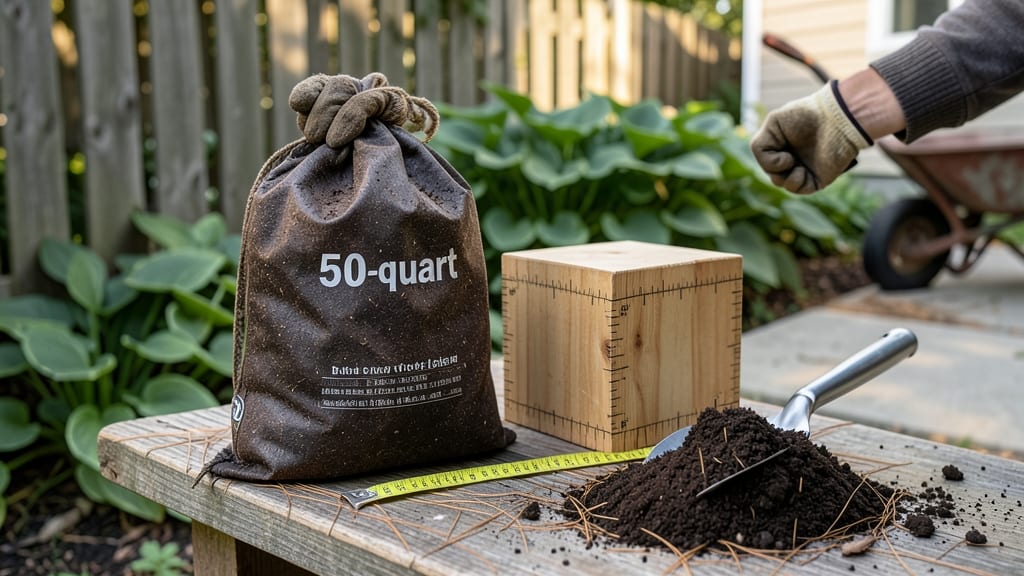
Converting 50 quarts of potting soil equals approximately 1.39 cubic feet, which is essential for determining how much soil you'll need for garden containers, raised beds, or bulk planting projects. This conversion helps ensure you purchase the right amount without overbuying or running short.
Understanding this conversion is crucial because potting soil density varies depending on its composition—peat-based mixes are lighter, while mineral-heavy blends weigh more per cubic foot. 🌱 For example, a 5-gallon container holds about 0.69 cubic feet, so you'd need roughly 20 quarts of soil to fill it completely.
This ratio also helps when calculating soil volume for raised beds or window farms, where precise measurements prevent overwatering or root crowding.
Most gardeners use this conversion when planning projects like herb gardens, small vegetable beds, or container setups. For instance, a 4'x8' raised bed needs about 32 cubic feet of soil, meaning you'd require roughly 230 quarts (or 57.5 gallons) to fill it to a 12-inch depth.
Always account for compaction—fresh soil settles over time, so adding 10-15% extra ensures you won't run out mid-project.
💡 In This Article
- How to Calculate Potting Soil Volume for Gardening Projects
- Best Uses for 50-Quart Potting Soil in Home Gardening
How to calculate potting soil volume for gardening projects
The conversion from quarts to cubic feet relies on understanding that 1 cubic foot equals 29.92 quarts—a ratio derived from the volume of a standard cubic foot (12" x 12" x 12") compared to the volume of a quart (57.75 cubic inches).
For 50 quarts, this translates to 1.39 cubic feet because 50 ÷ 29.92 ≈ 1.67, but potting soil's porosity and air pockets reduce its bulk density by about 15-20% compared to solid materials. This means a bag labeled "50 quarts" might only occupy 1.39 cubic feet when loosely packed.
Soil composition drastically affects this calculation. Peat-based mixes (common in seed-starting blends) are lighter and fluffier, often weighing 8-12 lbs per cubic foot, while mineral-heavy soils (like those with perlite or vermiculite) can reach 15-20 lbs per cubic foot.
For example, a 5-gallon container (≈ 0.69 cubic feet) filled with peat-based soil might only need 20 quarts, but the same container with a heavier blend could require 25 quarts due to compaction. Always check the product label for "bulk density" to refine your estimates.
Container shape matters too. A rectangular raised bed (like 4'x8') uses the simple formula: length × width × depth. For a 12-inch deep bed, that's 32 cubic feet—or 957 quarts of soil. Round containers (like whiskey barrels) need πr²h, where r is radius and h is height.
A 36-inch diameter barrel filled to 18 inches holds 5.1 cubic feet (≈ 153 quarts). Irregular shapes? Divide them into geometric sections and sum the volumes.
Density shifts over time. Fresh potting soil settles 10-15% after watering, so always add 10% extra to your calculations. For instance, if your project needs 10 cubic feet, buy 11.3 cubic feet of soil (≈ 338 quarts).
Pro tip: Use a tape measure and a bucket to test your soil's settling rate—fill a 1-gallon bucket with soil, water it, then measure how much the level drops after 24 hours. Adjust your bulk purchases accordingly.
For precision, invest in a soil moisture meter to track compaction. Overwatered soil compresses more, reducing air pockets and increasing weight per cubic foot. Conversely, dry soil may appear voluminous but lacks the structure plants need.
Balance is key: aim for a 40-60% porosity in your mix to ensure roots breathe while retaining moisture. This balance directly impacts your volume calculations—denser soil means fewer cubic feet per quart.
Why does this matter? Overestimating leaves you with excess soil that dries out or gets wasted. Underestimating forces mid-project trips to the store, disrupting your planting schedule. For example, a 10-plant herb garden in 5-inch pots needs 0.3 cubic feet per pot (≈ 9 quarts total).
But if you use 7-inch pots, each needs 0.5 cubic feet (≈ 15 quarts), and the total jumps to 150 quarts. Small changes in container size create big volume shifts.
Remember: 1 cubic foot of potting soil ≈ 29.92 quarts, but real-world use requires accounting for settling, density, and container shape. Master these variables, and you'll never misjudge your soil needs again. 🌱