
Plants
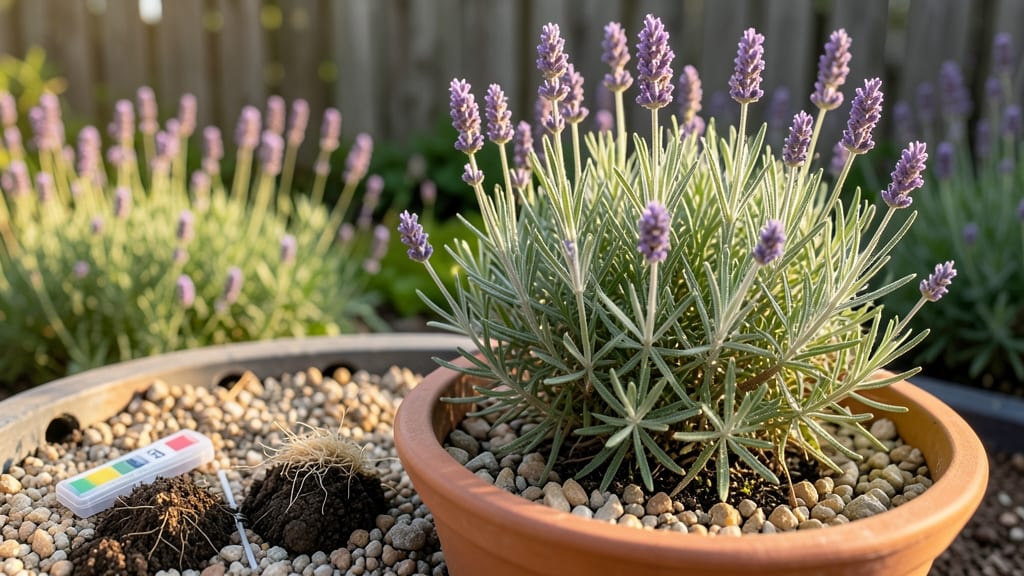
Lavender likes well-draining, sandy loam soil with low fertility and a slightly alkaline pH (6.5-7.5). Avoid heavy clay or nutrient-rich soil, which can stunt growth or cause rot.
What soil does lavender like? Lavender plants actually prefer lean, mineral-rich soil that mimics their native Mediterranean habitats. 🌿 The sandy texture prevents waterlogging, which is critical since lavender roots are prone to rot. I’ve found that adding coarse sand or perlite to heavier soils transforms them into ideal growing conditions—just avoid compost-heavy mixes, as they can encourage leggy, weak stems. The slightly alkaline pH also helps prevent fungal issues that thrive in acidic environments.
For best results, mix equal parts garden soil, coarse sand, and perlite to create a fast-draining blend. This combination ensures oxygen reaches the roots while preventing compaction. Many gardeners swear by adding a thin layer of gravel at the bottom of pots to further improve drainage.
The key is balance—lavender needs enough nutrients to thrive but not so many that it becomes soft and floppy.
💡 In This Article
- Why Sandy, Low-Nutrient Soil Is Ideal for Lavender
- How to Prepare the Perfect Lavender Soil Mix
Why sandy, low-nutrient soil is ideal for lavender
Lavender’s soil preferences trace back to its Mediterranean origins, where it evolved to thrive in rocky, nutrient-poor terrain. The plant’s fibrous root system spreads shallowly but widely, seeking moisture while avoiding waterlogged conditions.
Sandy soil’s coarse particles create air pockets that prevent compaction, allowing roots to breathe and absorb oxygen efficiently. Without this airflow, roots suffocate and rot—especially in heavy clay, where water pools and drains poorly. 🌿
Nutrient sensitivity is another critical factor. Lavender belongs to the mint family, which naturally grows in environments where competition for resources is fierce. High fertility soils trigger rapid, weak growth with soft stems that flop under their own weight.
The ideal soil provides just enough minerals (like phosphorus and potassium) without excess nitrogen, which promotes lush foliage at the expense of flowering. Think of it like a marathon runner—lavender needs endurance, not a sugar rush.
The slightly alkaline pH (6.5-7.5) plays a dual role. First, it suppresses fungal pathogens that thrive in acidic conditions, reducing rot risks. Second, alkaline soils contain higher concentrations of calcium and magnesium, which strengthen cell walls and improve drought resistance.
You’ll notice lavender’s vibrant purple blooms fade to pale lavender in acidic soils—a clear sign of stress. The plant’s natural resilience shines when given these optimal growing conditions.
Water management is where sandy soil truly excels. Unlike thirsty annuals, lavender stores water in its woody stems, allowing it to survive droughts. Sandy mixes drain within 30-60 minutes after watering, preventing the prolonged moisture that invites root diseases.
This is why lavender often thrives in containers—potting mixes with perlite or pumice replicate these fast-draining properties perfectly. The trade-off? You’ll need to water more frequently, but the payoff is healthier, longer-lived plants.
Consider this comparison: A lavender plant in heavy clay may show signs of distress within 2-3 weeks—yellowing leaves, wilting stems—while one in amended sandy soil develops a sturdy, upright habit with abundant blooms. The difference lies in how well each soil type supports the plant’s natural growth patterns.
Even a small adjustment, like adding 20% coarse sand to garden soil, can transform struggling lavender into a thriving specimen.
What most gardeners overlook is how soil texture affects temperature regulation. Sandy soil warms up faster in spring, giving lavender’s slow-starting roots a head start. The coarse particles also prevent the soil from becoming waterlogged during winter rains, protecting delicate roots from cold-related damage.
This thermal stability is why lavender often outperforms in containers—potting mixes warm and cool more uniformly than garden beds.