
How To
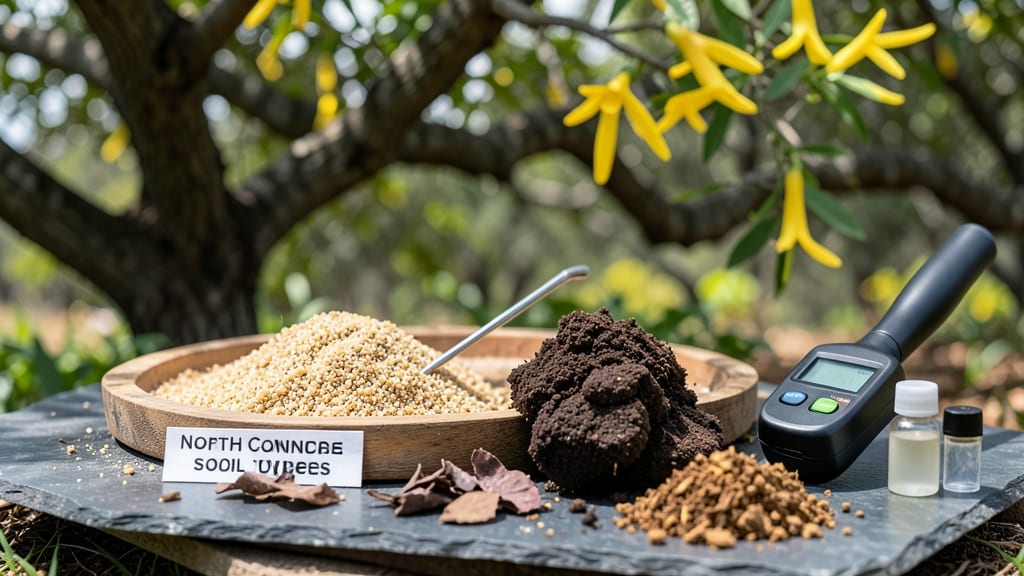
Improving soil in North Carolina means working with its naturally acidic clay or sandy textures by adding organic matter, adjusting pH for plants like azaleas or vegetables, and managing moisture for drought-prone areas like the Piedmont or coast. Compost, lime, and mulch are your best tools for long-term garden success.
North Carolina's diverse geography creates unique soil challenges: the clay-heavy Piedmont region struggles with compaction, while coastal areas battle sandy soils that drain too quickly. 🌱 The key is matching your amendments to local conditions—like using pine bark fines to lower pH for acid-loving plants or compost to boost sandy soil's fertility.
I've found that testing your soil's pH (aim for 6.0-6.5 for most vegetables) and moisture retention before amending saves time and money in the long run.
For clay soils, focus on organic matter like aged compost or leaf mold to improve drainage, while sandy soils benefit from gypsum or peat moss to help retain water. The humid subtropical climate means you'll need to reapply amendments annually, especially after heavy rains wash away nutrients.
My go-to routine includes a spring soil test, followed by a top-dressing of compost and mulch to protect moisture and prevent erosion.
💡 In This Article
- Understanding NC Soil Types and Their Unique Challenges
- Step-by-Step Soil Amendment Guide for NC Gardens
Understanding NC soil types and their unique challenges
North Carolina's soil diversity stems from its geology and climate. The Piedmont region dominates with Ultisols—clay-rich soils formed from weathered granite—where particles pack tightly, reducing water drainage and root penetration.
These soils often test acidic (pH 4.5-5.5), perfect for native acid-lovers like rhododendrons but problematic for vegetables needing pH 6.0-6.5. In contrast, coastal areas feature Entisols—young, sandy soils with minimal organic matter that drain too quickly, flushing nutrients away during NC's frequent summer rains.
The mountain regions offer a third type: Inceptisols with loamy textures, better moisture retention but often nutrient-poor due to rapid water runoff.
What makes NC soils tricky is their variable pH—some Piedmont soils can swing from acidic to neutral depending on rainfall, while coastal sands may require sulfur applications to maintain acidity for blueberries.
The key is matching amendments to your specific soil type: compost for clay's structure, peat moss for sandy drainage, and wood ash (sparingly) to raise pH in acidic zones.
Native plants reveal these soil truths. Sweetgums thrive in Piedmont's clay because their deep roots access moisture, while sea oats in coastal sands have adapted to nutrient scarcity. 🌿 The lesson? Observe what grows naturally—if rhododendrons flourish in your yard, you likely have acidic, well-drained soil.
For gardeners, this means testing before amending: a simple $20 soil test kit reveals your pH, organic matter percentage, and nutrient levels, saving you from over-amending.
Climate adds another layer. NC's humid summers accelerate organic matter breakdown, so compost needs replenishing every 6-12 months in clay soils. Sandy areas lose nutrients faster—think 2-3 applications per year of compost or worm castings.
The solution? Layer 2-3 inches of mulch annually to slow decomposition and retain moisture, especially in drought-prone Piedmont zones where summer temperatures can exceed 90°F.
Don't overlook the microbiome. Healthy NC soils teem with fungi and bacteria that decompose organic matter. Clay soils benefit from mycorrhizal fungi (found in compost), while sandy soils need biochar to provide surface area for microbial colonization.
The result? Better nutrient cycling and plant resilience against NC's unpredictable weather patterns, from spring floods to summer droughts.
For visual reference, imagine this: Piedmont clay feels like packing damp sand—dense and cool to the touch, while coastal sand resembles flour, dry and crumbly.
The texture difference explains why azaleas thrive in clay but struggle in sand unless you add pine fines to mimic their natural acidic, moisture-retentive environment. 🌱