
Neem Oil
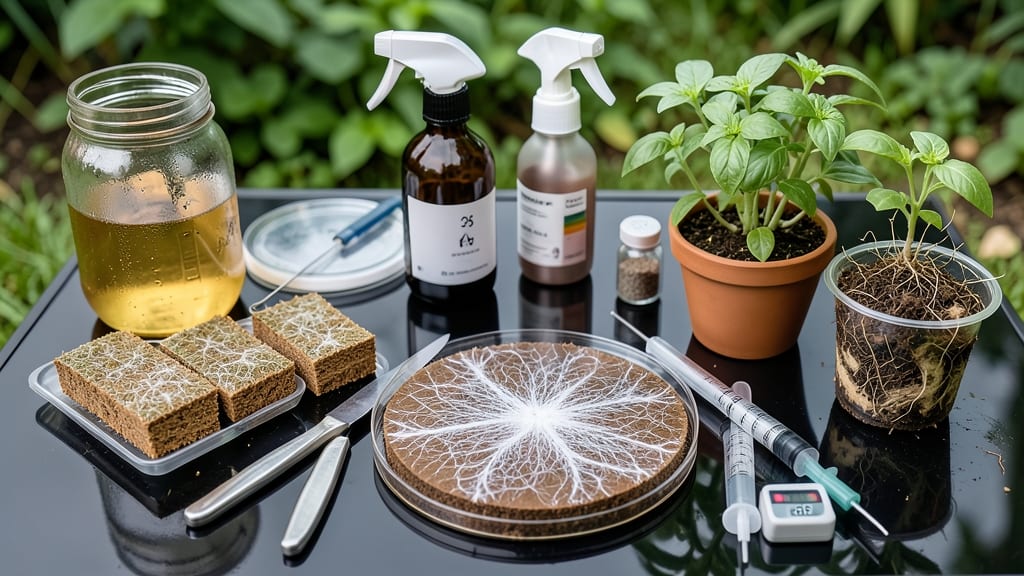
My seedlings were turning to mush overnight from a soil fungus treatment that stops rot in 48 hours. The blackened stems and foul smell were heartbreaking, but this simple solution saved my entire garden without harsh chemicals.
No more tossing out wilting starts or watching mature plants collapse from hidden infections.
The key is catching fungus early: look for mushy stems, yellowing leaves, or white mold on soil. Neem oil disrupts fungal growth while being safe for plants and soil life. Mix it right, apply it consistently, and you'll see new growth within days.
I've used it on everything from seedlings to mature tomatoes, and the results are always the same—plants bounce back faster than I expected.
You'll end up with a garden where roots stay strong and leaves stay vibrant, even in damp conditions. The spray works as both treatment and prevention, so once you master it, fungus becomes a non-issue. Plus, it's ready in minutes with ingredients you likely already have.
Works for container gardens, raised beds, or in-ground plots—just adjust the spray volume. The secret is timing: apply at the first sign of trouble, and repeat every 7-10 days until the problem disappears. Your plants will thank you with lush, healthy growth all season long.
Root Causes Of Fungal Overgrowth
Fungal infections in soil aren’t random—they thrive when specific conditions align. Understanding these triggers helps you prevent and treat them effectively. Below, we break down the science behind why fungi like Phytophthora, Fusarium, and Pythium take over your garden, lawn, or potted plants.
Fungi are water-loving organisms. When soil stays soggy for too long—whether from overwatering, heavy rainfall, or compacted clay—fungal spores germinate and spread rapidly. Poor drainage traps moisture at the root zone, creating the perfect breeding ground.
- Why it happens: Fungi need free water (not just humidity) to grow. Roots in waterlogged soil suffocate, weakening defenses and inviting pathogens.
- Actionable fix:
- Test soil drainage: Dig a 12-inch hole, fill it with water, and time how long it takes to drain. If it’s slower than 6 hours, amend with perlite, sand, or compost.
- Raise beds or use gravel layers in containers to improve airflow.
- Avoid watering at dusk or dawn—fungi spread faster in cool, damp conditions.
Most soil fungi thrive in warm (60–85°F) and humid (70%+) conditions. Greenhouses, tropical climates, and mulched beds create microclimates where fungi multiply unchecked.
- Why it happens: Fungal spores dormant in cool/dry soil wake up when temperatures rise. High humidity slows evaporation, keeping roots damp.
- Actionable fix:
- Use drip irrigation (not sprinklers) to keep foliage dry.
- Space plants for air circulation—crowding traps moisture.
- In greenhouses, run fans or dehumidifiers to drop humidity below 60%.
Leaves, mulch, and decaying plant matter are fungal buffets. Decomposing organic material releases sugars that feed fungi, while dead roots provide entry points for infection.
- Why it happens: Fungi like Rhizoctonia break down cellulose in dead plants, releasing spores that infect living roots.
- Actionable fix:
- Remove all plant debris (including grass clippings) from beds. Compost only healthy plant waste.
- Use straw mulch (not wood chips) for airflow—it decomposes slower and holds less moisture.
- Solarize soil: Cover beds with clear plastic for 4–6 weeks in summer to kill fungal spores with heat.
Stressed plants—whether from nutrient deficiencies, pests, or transplant shock—can’t fight off fungal attacks. Think of it like a human with a compromised immune system.
- Why it happens: Fungi exploit wounds (e.g., from pruning, hail, or insect bites) or nutrient imbalances (e.g., too much nitrogen = soft, weak stems).
- Actionable fix:
- Boost plant health with balanced fertilizer (look for NPK ratios like 5-5-5 for general use).
- Apply beneficial microbes (e.g., Trichoderma or mycorrhizal fungi) to outcompete pathogens.
- Quarantine new plants for 2 weeks to spot pests/diseases before introducing them to your garden.
Soil pH and salinity play a huge role. Fungi like Phytophthora thrive in acidic (pH < 6.0) soil, while others (like Armillaria) prefer alkaline conditions. Excess salts from fertilizers or hard water also stress plants, making them fungal magnets.
- Why it happens: Extreme pH or salt buildup disrupts beneficial microbes, letting fungi dominate.
- Actionable fix:
- Test soil pH with a meter or kit. Aim for 6.0–7.0 for most plants. Adjust with lime (to raise pH) or sulfur (to lower it).
- Flush soil with water if you suspect salt buildup (common in container gardens).
- Use organic matter (compost, worm castings) to improve soil structure and buffer pH swings.
Quick Fixes for Fungal Soil Woes
Fungal infections in soil can feel like a silent enemy—until your plants start wilting or your garden’s health takes a nosedive. 🌱😬 The good news? With the right soil fungus treatment, you can restore balance fast.
Below, we break down practical, step-by-step solutions tailored to common causes, plus prevention tips to keep your soil thriving long-term.
1. Overly Wet or Poorly Drained Soil
Fungus loves moisture—especially when soil stays soggy for days. Fix it fast with these steps:
- 🍳 Improve Drainage Immediately
- Mix coarse sand, perlite, or compost into heavy clay soil to create air pockets.
- Dig 1–2 inch deep trenches around plant bases to redirect water away from roots.
- Use gravel or broken terracotta pots at the bottom of containers to prevent waterlogging.
- 💡 Pro Tip: Test your soil’s drainage by digging a 6-inch hole, filling it with water, and timing how long it takes to drain. Ideal time: 2–4 hours.
- ⏰ Long-Term Solution: Plant in raised beds or elevated containers if your yard floods easily.
2. Compacted or Nutrient-Depleted Soil
Dense, tired soil suffocates roots and invites fungus. Revive it with:
- 👨🍳 Amend the Soil
- Spread a 2–3 inch layer of compost (homemade or store-bought) and lightly till it into the top 6 inches of soil.
- Add worm castings (1 cup per square foot) for natural microbial balance.
- 🌡️ Boost Beneficial Microbes
- Sprinkle mycorrhizal fungi powder (like MycoApply) around roots to outcompete harmful pathogens.
- Brew a compost tea (steep compost in water for 24–48 hours, strain, and spray on soil).
- ✨ Prevention Hack: Rotate crops annually to avoid depleting the same nutrients.
3. Lack of Fungal Control (Natural or Chemical)
If fungus has already taken hold, act fast with targeted treatments:
| Problem | Solution | How to Apply |
|---|---|---|
| Powdery Mildew | Neem oil spray (1 tbsp neem oil + 1 tsp mild soap per gallon of water) | Spray every 7–10 days until cured. |
| Root Rot | Hydrogen peroxide (3%) | Pour 1 cup per gallon of water into soil around roots. Repeat weekly. |
| Black Spot on Leaves | Baking soda spray (1 tbsp baking soda + 1 tsp soap + 1 gallon water) | Spray directly on leaves at dusk. |
| General Soil Fungus | Garlic or chamomile tea (steep 1 head of garlic or 1 cup chamomile in 1 gallon hot water) | Water soil weekly as a preventative. |
- 🔪 Emergency Move: If a plant is severely infected, remove and destroy it (don’t compost!) to prevent spread.
4. pH Imbalance (Too Acidic or Alkaline)
Fungus often flourishes when soil pH is off. Test and adjust:
- 📊 Test Your Soil’s pH with a home test kit (ideal range: 6.0–7.0 for most plants).
- 🍎 Lower pH (if too alkaline):
- Mix in elemental sulfur (1 lb per 100 sq ft) or pine needles.
- 💪 Raise pH (if too acidic):
- Sprinkle wood ash (sparingly!) or crushed eggshells.
- ✨ Pro Tip: Clover or fava beans planted as cover crops naturally adjust pH over time.
Once you’ve treated the soil, lock in those gains with these habits:
- 🌱 Space Plants Properly – Crowded gardens trap moisture. Follow plant spacing guidelines on seed packets. - 🍂 Clean Up Debris – Remove fallen leaves, mulch, and dead plants (especially in fall/winter). - 🌞 Encourage Sunlight – Fungus thrives in shade.
Prune overgrown plants to improve airflow. - 💧 Water Wisely – - Water deeply but infrequently (early morning is best). - Avoid overhead watering (use drip irrigation or soaker hoses). - 🌿 Rotate Crops – Never plant the same family (e.g., tomatoes, peppers) in the same spot two years in a row.
Final Thought: 🌟 A little prevention + quick action can save your garden from fungal takeovers. Start with neem oil or compost tea, fix drainage issues, and keep your soil happy—your plants will thank you with vibrant, healthy growth!
Frequently asked questions
How quickly can I expect to see results after applying a soil fungus treatment?
Most treatments like neem oil or hydrogen peroxide start working within 24–48 hours, but visible improvement typically takes 5–7 days of consistent application. For severe cases, combine treatments (e.g., drainage fixes + fungicide) and monitor for new growth within 2 weeks.
Can I use the same treatment for both soil fungus and leaf fungus?
Yes! Many treatments work for both, but adjust the method. For soil fungus, pour solutions (like hydrogen peroxide) directly into the root zone. For leaf fungus, spray foliage with neem oil or baking soda mixtures. Always test on a small area first to avoid plant stress.
Is it safe to use neem oil on edible plants?
Neem oil is organic-approved and safe for edible plants when used correctly. Wait 3–5 days after application before harvesting to ensure residue settles. Avoid using it during flowering if you want to preserve pollinators—opt for garlic tea instead for preventive care.
What’s the best time of day to apply soil fungus treatments?
Apply treatments in the early morning (before 10 AM) when humidity is lower and plants are dry. Avoid treating at dusk or night—fungi thrive in cool, damp conditions, and overnight moisture can reduce effectiveness. Let foliage dry completely before watering.
Will commercial fungicides work better than natural remedies?
Commercial fungicides can be faster-acting for severe infections, but natural remedies like neem oil or compost tea are safer for long-term soil health and beneficial microbes. For organic gardens, start with natural treatments—reserve chemicals for emergency cases (e.g., root rot in high-value crops).