
How To
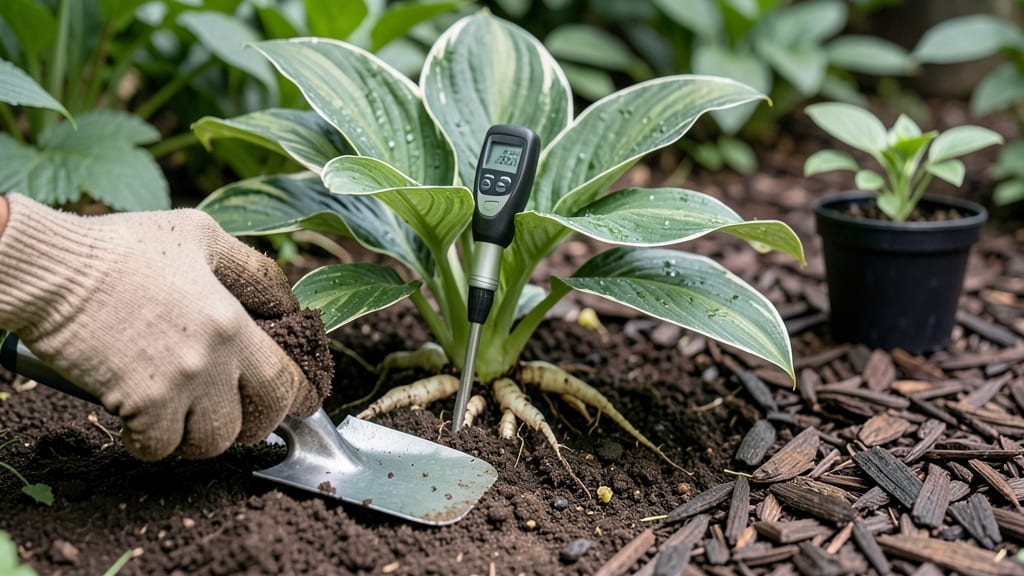
For hostas, the best soil is rich, well-draining yet moisture-retentive with a slightly acidic to neutral pH (6.0–7.5). Mix in compost or peat moss to boost organic matter, while avoiding heavy clay or pure sand that can suffocate roots or dry out too quickly.
Hostas love soil that feels like a well-balanced sponge—holding moisture without becoming waterlogged. 🌱 The ideal mix is about 30% organic matter (compost, leaf mold) blended with 70% loamy garden soil, which provides the perfect balance of aeration and water retention.
If your native soil leans toward clay, amending with perlite or coarse sand helps break up compaction, while peat moss or coconut coir adds moisture in sandy soils. I’ve found that mulching with shredded bark in summer keeps roots cool and hydrated, while winter mulch protects against freeze-thaw cycles.
What’s often overlooked is how pH levels affect nutrient uptake—hostas thrive when soil is slightly acidic to neutral (6.0–7.5). A simple soil test kit (around $10) reveals if your garden needs lime to raise pH or sulfur to lower it.
For container hostas, I recommend a pre-mixed potting soil with added perlite and worm castings to mimic ideal garden conditions.
💡 In This Article
- Ideal Soil Composition for Healthy Hosta Growth
- DIY Hosta Soil Mix Recipes for Different Climates
Ideal soil composition for healthy hosta growth
Hostas prefer a soil texture that mimics the rich, crumbly loam found in their native woodland understories. This ideal mix combines 40% sand, 40% silt, and 20% clay—creating a structure that holds moisture like a sponge while allowing excess water to drain freely.
The key is achieving a 10-20% porosity (air pockets) that prevents root suffocation, which is why compacted clay or pure sand fails. Think of it like a well-woven basket: sturdy enough to hold shape but with enough gaps to breathe. 🌿
The organic matter component (compost, peat moss, or leaf mold) should make up 20-30% of your mix. This isn't just about moisture retention—it's about creating a living ecosystem. Decomposing organic material releases nutrients gradually while improving soil structure through fungal networks that hosta roots can tap into.
For example, a 5-gallon bucket of garden soil amended with 1 gallon compost and 1 gallon peat moss creates the perfect balance for planting hostas in containers. The peat moss holds 4-6 times its weight in water, while compost provides essential micronutrients like magnesium and iron.
pH plays a crucial role in nutrient availability because hostas need specific minerals to thrive. At pH 6.0-6.5, iron and manganese become most accessible, while calcium and phosphorus are optimal at pH 6.5-7.5.
The science here is fascinating: hydrogen ions in acidic soil compete with metal ions for root uptake sites. When pH drops below 5.5, aluminum toxicity becomes a risk, while above 7.5, phosphorus becomes locked away.
That's why I always recommend testing soil before planting—it's the difference between lush foliage and yellowing leaves despite adequate watering. 🧪
For gardeners in clay-heavy regions, the solution is simple: blend in 20-30% perlite or coarse sand to create macro-pores that improve drainage. In sandy soils, add 30-40% peat moss or coconut coir to boost water retention.
The goal is to create a soil that holds 1-2 inches of water per week in the root zone while maintaining 15-20% air space—this balance is what prevents both root rot and drought stress.
I've seen dramatic improvements in hosta growth when simply doubling the compost ratio in clay soils, as it transforms the dense medium into something more forgiving.
One often-overlooked factor is soil temperature. Hostas grow best when soil temperatures stay between 55-75°F. Darker organic amendments like compost absorb more heat, which can actually help in cooler climates by extending the growing season.
In contrast, light-colored sand reflects heat, which is why sandy soils often need more frequent watering. The solution? A 3-inch layer of mulch (shredded bark or straw) acts as an insulator, maintaining consistent soil temperatures while reducing evaporation.
This is particularly important for hostas planted in full sun, where soil can heat up to 90°F or more during summer afternoons. 🌡️
Let me share what I've learned from years of experimenting: the best hosta soil isn't just about the ingredients—it's about the ratios. A 50/50 mix of garden soil and compost works wonders in most climates, but adjust for your specific conditions.
For example, in my Zone 5 garden, I add an extra 10% worm castings in spring to jumpstart growth, while in Zone 8, I focus more on improving drainage with extra perlite.
The key is observing your hostas' response—healthy roots should be white and fibrous, not brown or mushy from poor drainage or grayish from compacted soil.