
How To
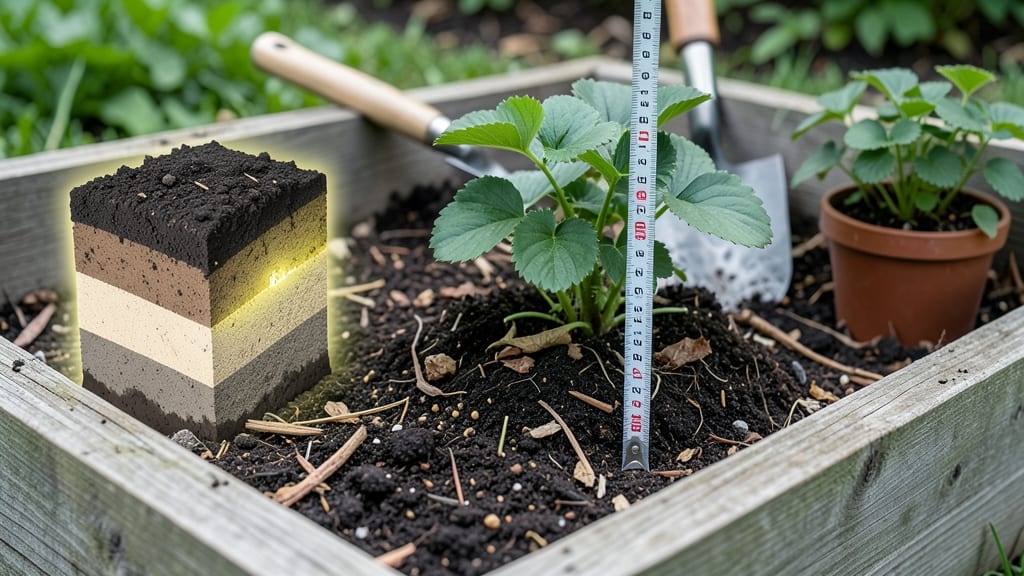
Strawberries need at least 6 to 12 inches of soil depth to grow strong roots and produce sweet, plump berries 🍓—but many gardeners get this wrong, leading to stunted plants or poor yields.
Picture this: you’ve spent weeks waiting for your strawberry plants to take root, only to watch them struggle or produce tiny, flavorless berries. The culprit? Soil depth that’s either too shallow or poorly prepared. Too little depth means roots can’t anchor properly, while too much can suffocate them.
Getting the soil depth right isn’t just about digging deeper—it’s about creating the perfect balance of drainage, aeration, and nutrients. In this guide, I’ll walk you through the science behind strawberry root zones, how to test your soil, and the simple adjustments that can transform your harvest.
You’ll learn how to amend your soil for ideal depth, whether raised beds or in-ground planting works best for your variety, and the 5 pro tips that gardeners swear by to maximize berry size—no guesswork required.
Ideal soil depth requirements for healthy strawberry roots
Strawberries may seem delicate, but their root systems are surprisingly sensitive to soil depth. The ideal root zone for strawberries sits between 6 to 12 inches deep, creating the perfect balance for nutrient uptake and stability.
Shallow roots struggle to anchor plants, while overly deep planting risks rot and poor air circulation. Understanding these depth requirements is key to growing lush, productive strawberry plants.
When planting strawberries, the crown (where leaves meet roots) should sit just at soil level. This positioning allows roots to spread naturally into the optimal 6-inch zone for early growth, while deeper roots develop over time.
The top 2 inches of soil should remain loose and well-aerated, while the lower 4-6 inches provide structural support and moisture retention. This layered approach mimics strawberries' natural habitat preferences in wild settings.
Strawberry roots develop in distinct stages, each requiring specific soil depth conditions. In the first 4 weeks, roots focus on establishing a shallow network (0-4 inches) to stabilize the plant. After 8 weeks, deeper roots (4-12 inches) begin forming to support fruiting.
This two-phase growth explains why shallow planting (under 4 inches) leads to weak plants, while overly deep planting (over 12 inches) causes crown rot from poor air circulation.
Testing your soil's depth readiness is simpler than you think. Start by digging a 6-inch deep hole and examining the layers. The top 2 inches should crumble easily when dry (indicating loose, well-aerated soil), while the 4-6 inch zone should hold moisture but not feel soggy.
If your soil is clay-heavy, mix in 2-3 inches of compost to improve drainage. For sandy soils, add peat moss or coconut coir to retain moisture in the critical root zone.
Drainage is non-negotiable for strawberries. Poor drainage in the lower 4-6 inches of the root zone leads to root rot and fungal diseases like verticillium wilt. To test drainage, dig a 12-inch hole, fill it with water, and time how long it takes to drain.
If water remains after 4 hours, your soil needs amendments like perlite or coarse sand. Raised beds are ideal for heavy soils because they allow full control over depth and drainage from the start.
Mulching plays a crucial role in maintaining the perfect soil depth environment. Apply 2-3 inches of straw or wood chips around plants (keeping it 2 inches away from crowns) to regulate temperature and moisture.
This mulch layer prevents soil compaction in the top 2 inches, which is vital for young roots. Over time, decomposed mulch also enriches the 4-6 inch zone with organic matter, creating an ideal growing medium for strawberry roots.
Common mistakes with soil depth often stem from improper planting techniques. Many gardeners bury the crown too deeply, which suffocates the plant and causes rot. Others plant too shallowly, leaving roots exposed to temperature swings.
The golden rule: the crown should be flush with soil level, with roots fanning out naturally. For container-grown strawberries, ensure pots have at least 12 inches of depth and drainage holes to accommodate full root development.
Seasonal adjustments are key to maintaining optimal soil depth. In spring, focus on loosening the top 4 inches of soil to encourage root expansion. During summer, monitor moisture in the 6-inch zone and water deeply 2-3 times per week.
In fall, add compost to the 4-6 inch layer to prepare for next year's growth. These seasonal tweaks ensure your strawberries always have the perfect root zone environment.
For maximum yields, pair proper soil depth with companion planting. Interplant strawberries with bush beans or lettuce, which share similar depth needs but improve soil structure. Avoid planting near tomatoes or potatoes, as they compete for the same 6-12 inch root zone and can spread diseases.
This strategic spacing gives your strawberries the ideal depth advantage while promoting overall garden health.
How to adjust soil depth for different strawberry varieties
Not all strawberries need the same soil depth—June-bearing, everbearing, and day-neutral varieties each have unique root zone requirements. Even the choice between container gardening and in-ground planting changes the ideal depth.
Let’s break down the specifics to ensure your strawberries thrive, whether you’re growing Albion (June-bearing) or Seascape (everbearing).
The root crown (where leaves meet roots) must sit at soil level, but the depth of the surrounding soil varies. For in-ground planting, aim for 6-12 inches of loose, well-draining soil.
In containers, use at least 8-10 inches of depth to accommodate root spread. Shallow soil leads to poor anchorage and water stress, while overly deep soil risks root rot.
| Variety Type | Ideal Soil Depth (In-Ground) | Container Depth Needs | Key Adjustments |
|---|---|---|---|
| June-bearing (e.g., Chandler, Jewel) | 8-12 inches | 10-12 inches (deepest for roots) | Add compost to bottom 6 inches for nutrient boost |
| Everbearing (e.g., Ozark Beauty, Seascape) | 6-10 inches | 8-10 inches (shallow but frequent harvests) | Mulch heavily to retain moisture |
| Day-neutral (e.g., Albion, Tristar) | 7-10 inches | 8-10 inches (balanced root spread) | Use raised beds for better drainage |
For container-grown strawberries, prioritize drainage holes and lightweight potting mix. Fill the bottom 30% with perlite or sand to prevent compaction.
If your soil is clay-heavy, amend it with sand or coconut coir to improve aeration. June-bearing varieties benefit most from deeper soil because they produce all their fruit in one season, while everbearing types tolerate shallower depths due to staggered harvests.
Watch for yellowing leaves or stunted growth, which signal insufficient soil depth. If roots peek above the surface, add 1-2 inches of compost and mulch to protect them.
Conversely, if soil feels soggy after rain, your depth may be too deep—consider raising beds or improving drainage with gravel layers. Adjusting soil depth isn’t just about measurements; it’s about creating the right environment for your strawberries’ root health and berry production.
Pro tip: Test your soil’s organic matter with a simple squeeze test. Healthy soil should crumble easily when dry and hold moisture without becoming waterlogged. If it feels dense, mix in aged compost to loosen the texture.
This small adjustment can double your harvest by ensuring roots access nutrients and water efficiently.
Remember, day-neutral strawberries like Albion thrive in 7-10 inches of soil, while June-bearing varieties need 8-12 inches to support their heavy fruit load. By tailoring your soil depth to your variety, you’ll avoid common pitfalls like root bound plants or poor fruiting.
Happy planting—your strawberries will thank you with bigger, sweeter berries! 🍓