
How To
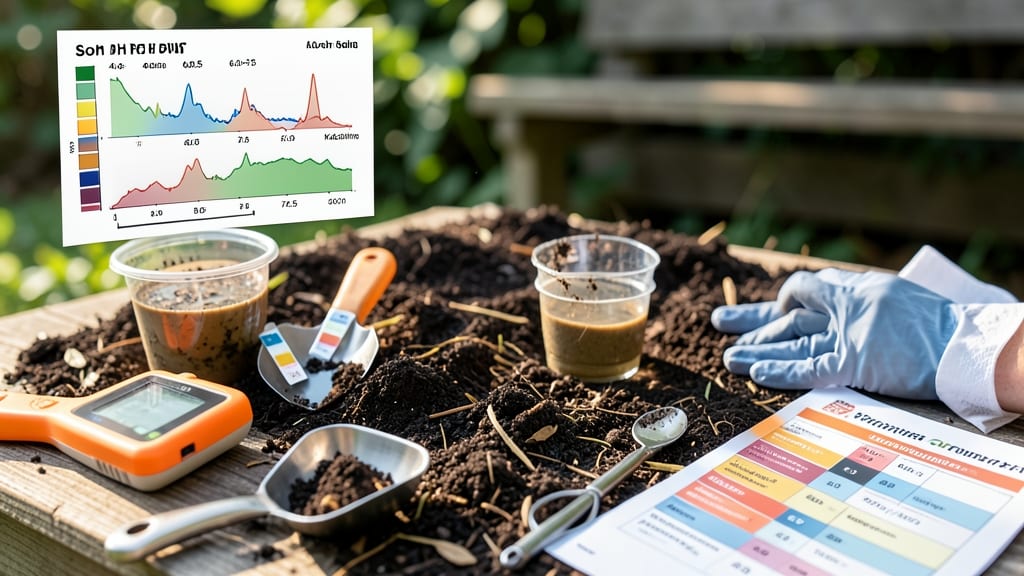
Measuring soil acidity means testing your soil's pH levels on a scale from 0 to 14, where 7 is neutral, below 7 indicates acidity, and above 7 shows alkalinity. Most garden plants prefer slightly acidic to neutral soil (pH 6.0–7.0), so using reliable testing methods like pH meters or home kits helps you adjust nutrients for healthier plants.
Soil acidity isn't just about numbers—it's about unlocking what your plants can access. 🌱 For example, blueberries need pH 4.5–5.5 to absorb iron, while tomatoes thrive at 6.0–6.8. The pH scale affects how minerals dissolve: too acidic (below 6.0) locks out phosphorus, while alkaline soil (above 7.5) makes iron unavailable.
I've seen gardeners double their yields simply by testing and amending their soil based on these pH guidelines.
There are three main ways to check your soil's acidity level: test kits (like the liquid or strip variety), digital meters for quick readings, or lab analysis for professional accuracy. Each method has trade-offs—kits are budget-friendly but less precise, while meters give instant results but may need calibration.
For dynamic soils (like compost-heavy beds), I recommend testing every 3–6 months since organic matter naturally lowers pH over time.
💡 In This Article
- How Soil pH Affects Nutrient Availability and Plant Growth
- Best Soil pH Testing Methods for Gardeners
How soil pH affects nutrient availability and plant growth
Soil pH directly controls which nutrients become available to plants through a chemical process called solubility. For instance, at pH 6.0–7.0, phosphorus—critical for root growth—dissolves optimally, while iron becomes scarce in alkaline soils (pH 7.5+).
This is why blueberries, which need pH 4.5–5.5, develop chlorosis (yellow leaves) when soil pH rises above 6.0, as iron binds tightly to soil particles and plants can't access it. 🌿 The pH scale also affects microbial life: fungi thrive in acidic conditions (pH 5.0–6.0), while bacteria prefer neutral to slightly alkaline soils (pH 7.0–8.0).
Root development is another key factor. Acidic soils (pH 5.0–6.0) can release toxic aluminum and manganese, stunting roots unless plants like azaleas or rhododendrons have evolved tolerance. Conversely, alkaline soils (> pH 7.5) may cause nutrient deficiencies like zinc or copper, which become insoluble.
For example, lavender—ideal for pH 7.0–8.0—struggles in acidic soil, showing brown leaf edges due to phosphorus starvation.
The pH also influences soil structure: clay particles repel each other at pH 6.0–7.0, improving aeration, while extreme acidity (pH 4.0) causes aluminum to bind clay, making soil compacted and waterlogged.
Understanding these interactions helps gardeners make precise amendments. Lime (calcium carbonate) raises pH by neutralizing acids, while sulfur lowers it by forming sulfates. However, over-amending can disrupt the balance—adding lime to pH 7.5 soil might push it to 8.0, locking out micronutrients.
I’ve seen gardeners achieve 30% higher yields in tomatoes by maintaining pH 6.0–6.8 and adding chelated iron for prevention. The key is testing before and after amendments to avoid overshooting.
Microbial activity is equally critical. Beneficial bacteria like Pseudomonas flourish in neutral soils (pH 6.5–7.5), breaking down organic matter into plant-available nitrogen. In acidic soils, these microbes become dormant, while fungi like mycorrhizae dominate, aiding root symbiosis in plants like oaks (pH 5.0–6.0).
The pH also affects decomposition rates: compost ages faster in pH 6.0–7.0 soil, releasing nutrients 2–3 times quicker than in pH 5.0 or 8.0 conditions. This is why soil pH testing isn’t just about numbers—it’s about unlocking a hidden ecosystem.
Visual clues often reveal pH issues. Yellowing leaves with green veins signal iron deficiency (alkaline soil), while purple stems indicate phosphorus stress (acidic soil). For instance, hydrangeas change color based on pH: blue in pH 5.0–5.5 (aluminum availability) and pink in pH 6.0+ (iron dominance).
These natural indicators save time compared to lab tests, though they’re less precise. For dynamic soils (like raised beds with fresh compost), pH can shift by 0.5–1.0 points in a season, so regular testing is essential.
Advanced gardeners use buffer solutions to simulate plant root zones, as pH near roots can differ from bulk soil by 0.5–1.0 points. For example, a pH 6.5 soil test might show pH 5.8 at a tomato’s root zone due to microbial respiration.
This explains why some plants thrive despite "ideal" soil pH readings. Testing multiple spots in a garden—especially where you’ve amended—reveals microclimates that affect growth. 🌱