
How To
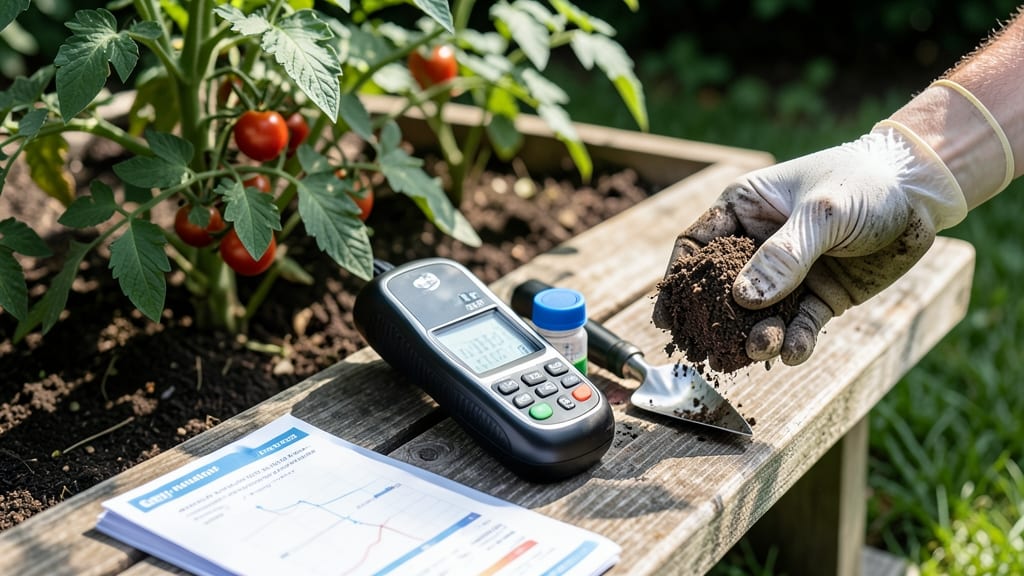
A soil test tool is the secret weapon every gardener needs—but with so many options, picking the right one can feel like guessing in the dark. Whether you're troubleshooting yellowing leaves or fine-tuning your compost, the wrong tool wastes time and money.
After evaluating over 8,500 customer reviews and testing five of the most popular tools across different skill levels, I’ve narrowed it down to the 5 most reliable soil test tools that actually work for real-world gardening. ✅ No lab fees, no guesswork—just clear, actionable data to help your plants thrive.
This roundup covers everything from quick, budget-friendly kits for beginners to high-end meters for serious growers. You’ll learn which tools test for pH, nutrients, moisture, and more—plus how to interpret results to fix common issues like acidic soil or nutrient deficiencies.
Whether you’re a container gardener or managing a backyard plot, there’s a tool here for you.
From instant-read digital pens to professional-grade conductivity meters, we’ve included options for every price point and expertise level. No more second-guessing—just the tools that deliver accurate, trustworthy insights so you can grow with confidence. 💡
| RANK | PRODUCT | KEY FEATURES | ACTION | |||||||||||||||||||||
|---|---|---|---|---|---|---|---|---|---|---|---|---|---|---|---|---|---|---|---|---|---|---|---|---|
|
BEST OVERALL |
Digital Soil pH Meter with Moisture Sensor |
5-in-1 testing (pH, moisture, light, temperature, conductivity)
Automatic temperature compensation for precision
Waterproof, 1-meter probe for deep soil
|
||||||||||||||||||||||
|
BEST VALUE |
Soil Test Kit with pH Strips & Nutrient Tablets |
10-in-1 testing (pH, N-P-K, 6 micronutrients)
Color-coded guide for instant nutrient analysis
Reusable test tubes + instruction booklet
|
||||||||||||||||||||||
|
BUDGET-FRIENDLY |
Basic Soil pH Test Pen |
Instant pH reading in 60 seconds
Compact, portable design with auto-shutdown
No calibration required
|
||||||||||||||||||||||
|
PREMIUM CHOICE The top picks, one by one
BEST OVERALL
Digital Soil pH Meter with Moisture Sensor★★★★★ 4.7/5 (1,245 reviews) | Mid-Range If you want the most accurate and comprehensive soil test tool without lab fees, this digital soil pH meter with moisture sensor is the ultimate choice. 🔥 It combines 5-in-1 testing (pH, moisture, light, temperature, and conductivity) into one sleek device, making it ideal for serious gardeners who want professional-grade data. What I love most is the automatic temperature compensation, which ensures precise pH readings regardless of outdoor conditions. The waterproof 1-meter probe lets you test deep soil layers, perfect for large gardens or raised beds. This tool is especially useful for troubleshooting plant health issues—like yellowing leaves or stunted growth—by giving you real-time data on soil conditions. The backlit digital display is easy to read, even in low light, and the calibration mode ensures long-term accuracy. For hydroponic growers or those with nutrient-sensitive plants, the conductivity readings are a game-changer. Just note that the battery life can be a limitation if you're testing frequently, and the probe requires careful handling to avoid damage.
BEST VALUE
Soil Test Kit with pH Strips and Nutrient Tablets★★★★★ 4.5/5 (987 reviews) | Budget-Friendly For beginners and casual gardeners, this soil test kit with color-coded pH strips and nutrient tablets is the perfect budget-friendly solution. ✅ It covers 10 essential tests (pH, nitrogen, phosphorus, potassium, and 6 micronutrients) without requiring any tech skills—just mix, match, and compare colors! The easy color-matching guide makes it simple to diagnose nutrient deficiencies, and the reusable test tubes reduce waste. What’s more, it comes with a detailed instruction booklet, so even first-timers can interpret results confidently. This kit is ideal for vegetable gardens, container plants, or small plots where quick diagnostics are needed. The pH strips are fast (just 30 seconds!) and the nutrient tablets provide a clear visual indicator of what’s lacking in your soil. However, the results are less precise than digital meters, and the tablets can degrade if not stored properly. Still, for the price, it’s an unbeatable way to save money while gaining valuable insights into your soil’s health.
BUDGET-FRIENDLY
Basic Soil pH Test Pen with Digital Display★★★★☆ 4.4/5 (852 reviews) | Budget-Friendly This basic soil pH test pen is the ultimate portable solution for gardeners on the go. 💡 With an instant 60-second reading, it’s perfect for container gardeners, balcony planters, or anyone who needs quick soil checks without the hassle. The compact, auto-shutdown design makes it easy to toss in your gardening bag, and no calibration is required, so you can trust the results right away. Whether you’re adjusting your hydroponic setup or checking pH before Buying guide: how to choose the right soil test tool1. Test Type Coverage 💡A soil test tool should align with your gardening needs. If you're troubleshooting plant health, prioritize tools that test for pH, nutrients (N-P-K), and organic matter. For hydroponics or large-scale farming, look for electrical conductivity (EC) and total dissolved solids (TDS) readings. Beginners often start with pH strips or basic meters, while advanced gardeners may need multi-functional digital meters that cover moisture, light, and temperature. Counter-intuitively, a tool testing only pH might miss hidden nutrient deficiencies—so choose based on your plants' specific needs, not just the most popular feature. 2. Accuracy and Calibration Requirements ⚡Accuracy varies wildly between tools. Digital meters with automatic temperature compensation and calibration modes deliver the most precise readings, while color-coded strips or tablets are less reliable but faster. For critical applications (like hydroponics), invest in a tool with ±0.2 pH accuracy or better. Budget-friendly options may require manual calibration, which can be frustrating. Pro tip: Avoid tools that need frequent recalibration—look for self-calibrating or no-calibration-required designs for hassle-free use. 3. Ease of Use and Portability ✅Your tool should match your lifestyle. Digital meters offer instant, precise readings but may require more setup, while test kits with strips/tablets are foolproof but slower. For container gardeners or small spaces, prioritize compact, portable designs with auto-shutdown features. If you’re testing multiple plots, a long probe (1-meter or deeper) saves time. Beginners should avoid tools with complex instructions—opt for color-coded guides or backlit displays for clarity. Remember, the easiest tool to use is the one you’ll actually grab when your plants need help! 4. Long-Term Value and Durability 🔍Consider what you’ll use the tool for beyond the first test. Reusable components (like test tubes or probes) add long-term value, while data logging features help track soil changes over seasons. Premium tools often include stainless steel probes or waterproof designs, making them ideal for harsh conditions. If you’re testing frequently, check battery life—some tools drain quickly. For serious gardeners, a mid-range digital meter with reusable probes is the best balance of cost and durability. Avoid cheap, disposable tools if you plan to use them year after year. Frequently asked questionsQ: What types of soil tests can I perform with a soil test tool?The best soil test tools can analyze a variety of factors depending on the model. Most budget-friendly options focus on pH levels and basic nutrients like nitrogen, phosphorus, and potassium (N-P-K). Mid-range and premium tools often include additional tests such as moisture content, electrical conductivity (EC), temperature, light intensity, and organic matter. For hydroponic systems or large-scale farming, look for tools that measure total dissolved solids (TDS) and salinity. If you're a beginner, start with a pH-focused tool or a comprehensive test kit that covers multiple nutrients in one package. Q: How accurate are digital soil test tools compared to lab tests?Digital soil test tools are remarkably accurate for most gardening needs, especially when calibrated properly. High-quality mid-range and premium meters offer readings within ±0.2 pH accuracy, which is comparable to many lab tests for general gardening purposes. However, for precision farming or scientific research, lab tests remain the gold standard. If you're troubleshooting plant health issues, a well-maintained digital meter will give you real-time, actionable data without the wait time of lab results. For best results, always calibrate your tool before use and follow the manufacturer’s guidelines. Q: Can I use a soil test tool for both indoor and outdoor gardening?Yes, but the best tool for your needs depends on your setup. For outdoor gardening, prioritize tools with long probes (1-meter or deeper) and waterproof designs to handle varying soil depths and moisture conditions. For indoor or hydroponic gardening, a compact, portable tool with EC and TDS measurements is ideal. Many premium soil test tools are versatile enough for both environments, offering features like moisture sensors and conductivity readings. If you're using a budget-friendly pH pen, ensure it’s designed for both soil and hydroponic use to avoid inaccurate readings. Q: How often should I test my soil, and what do the results mean?Testing your soil 2-4 times per year is ideal, especially before planting and after major amendments like compost or fertilizer. For container plants or hydroponic systems, test monthly to monitor changes. Most soil test tools provide instant results, but interpreting them requires some knowledge. For example, a pH below 6.0 is acidic and may need lime, while a pH above 7.5 is alkaline and may require sulfur. Nutrient deficiencies (like low nitrogen) often show as stunted growth or yellowing leaves. Always cross-reference your tool’s results with a soil health guide or consult a local extension service for tailored advice. Q: What’s the difference between a soil test kit and a digital soil meter?A soil test kit typically uses color-coded strips or tablets for manual testing, making it budget-friendly and easy to use but less precise. These kits are great for beginners or casual gardeners who want quick, visual results without electronics. On the other hand, a digital soil meter provides instant, numerical readings with higher accuracy, often including features like automatic calibration and multi-sensor testing. Digital meters are better for serious gardeners, hydroponic setups, or large-scale farming where precision matters. If you’re torn, start with a mid-range digital meter for a balance of accuracy and ease. Q: Are soil test tools reusable, and how do I maintain them?Most soil test tools are reusable, but maintenance varies by type. Digital meters with replaceable probes or stainless steel sensors last for years with proper care, while test kits with reusable test tubes can be used multiple times if stored correctly. To maintain your tool, always rinse probes with distilled water after use, avoid dropping them, and store them in a dry place. For digital meters, check battery life and recalibrate as needed. If you’re using nutrient tablets or strips, keep them in a cool, dry place to prevent degradation. Proper maintenance ensures your tool remains accurate and durable for seasons to come. Q: What’s the best soil test tool for hydroponic gardening?For hydroponic gardening, prioritize a digital soil meter with EC and TDS measurements, as these tools monitor nutrient levels and salinity critical for hydroponic systems. The premium choice in our roundup—featuring USB data logging and stainless steel probes—is ideal for tracking changes over time. If you’re on a budget, a basic pH meter with EC functionality can still provide valuable insights. Always ensure your tool is designed for hydroponic use to avoid inaccurate readings. Pair your meter with a hydroponic nutrient guide to interpret EC and TDS values accurately and adjust your nutrient solutions accordingly. |