
Advice
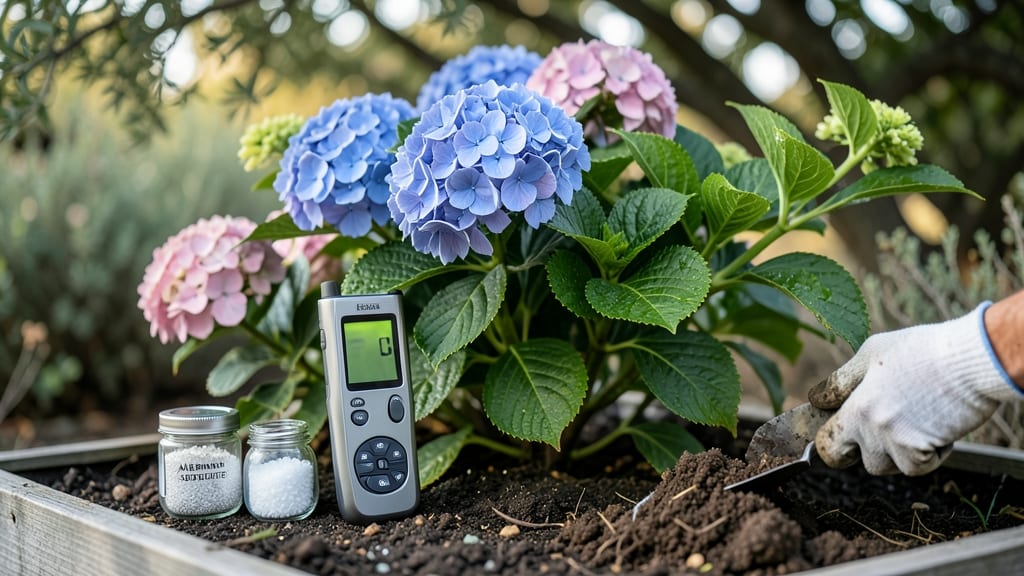
Soil acidity directly controls hydrangea color by altering pH levels: acidic soil (pH 5.0–5.5) triggers blue blooms, while alkaline soil (pH 6.0–7.0) produces pink flowers. Neutral soil (around 5.8) often yields lavender or purple hues, depending on the variety and aluminum availability.
Hydrangeas are like nature's mood rings—your soil's acidity level literally dictates their flower color through a fascinating chemical reaction. 🌸 The key player here is aluminum: in acidic conditions, it becomes soluble and activates blue anthocyanin pigments, while alkaline soil inhibits this process, shifting colors toward pink.
I've seen gardeners achieve dramatic color changes just by adding sulfur or lime to their soil, proving how much control you have over your hydrangea's palette.
This isn't just about aesthetics—pH levels also affect plant health. For instance, Endless Summer hydrangeas can shift from blue to pink within weeks when you adjust soil chemistry. The catch? Different varieties respond uniquely, so always test your soil first using a simple DIY kit (available for under $10).
I recommend testing in early spring before new growth begins, as this gives you time to amend the soil before blooming season.
💡 In This Article
- How Soil pH Chemically Affects Hydrangea Pigments
- Step-by-Step Guide to Testing and Adjusting Soil for Hydrangea Color
How soil pH chemically affects hydrangea pigments
The magic happens at the molecular level where hydrangea flowers contain anthocyanin pigments—nature's pH-sensitive color changers. In acidic soils (pH 5.0–5.5), aluminum ions become soluble and bind with these pigments, creating vibrant blue hues.
This reaction works like a chemical switch: when aluminum is available, it activates the blue anthocyanins, while in alkaline conditions (pH 6.0–7.0), these ions become locked away, allowing pink pigments to dominate instead.
Think of it like a lemonade stand: adding lemon juice (lowering pH) makes the drink more acidic and changes its taste, just as adding lime (raising pH) would shift the flavor.
Hydrangeas follow the same principle—except their "flavor" is literally their flower color! 🌸 The key difference is that hydrangeas can't produce their own aluminum; they rely entirely on what's available in the soil.
This is why gardeners can dramatically alter flower colors simply by adjusting soil chemistry with amendments like sulfur (to acidify) or dolomitic lime (to alkalize).
Here's where it gets interesting: some hydrangea varieties, like the Nikko Blue, are naturally more sensitive to pH changes than others. These varieties can shift from deep blue to soft pink within just a few weeks of soil amendment.
The process works because the pH change alters the availability of aluminum ions in the soil, which then affects how the plant's pigments develop during flowering.
For example, in a pH 5.2 soil, you might see rich cobalt blue blooms, while the same plant in pH 6.5 soil could produce soft blush pink flowers.
What most gardeners don't realize is that this color change isn't just about aesthetics—it's also a sign of plant health. Hydrangeas thrive when their soil pH is properly balanced for their desired color.
For instance, blue-loving varieties often show signs of stress (like yellowing leaves) if the soil becomes too alkaline, while pink-loving types may struggle in overly acidic conditions. The ideal pH range for most hydrangeas is between 5.2 and 6.2, where you'll see the most vibrant colors and healthiest growth.
There's another layer to this chemical puzzle: the role of phosphorus and iron availability. In acidic soils, phosphorus becomes more soluble, which hydrangeas need for strong root development.
Meanwhile, alkaline soils can lock away essential micronutrients like iron and manganese, leading to chlorotic (yellowing) leaves even if the flowers look pink. This is why professional gardeners often recommend testing soil for multiple nutrients—not just pH—when planning color changes.
The timing of soil amendments matters too. For best results, adjust your soil's pH in early spring, about 6-8 weeks before flowering season. This gives the plant time to absorb the amendments and develop the proper pigmentation.
For example, if you want blue blooms, apply elemental sulfur in early spring—it can take 2-3 months to fully acidify the soil. Conversely, lime takes about 3-6 months to raise pH levels effectively. 💫