
How To
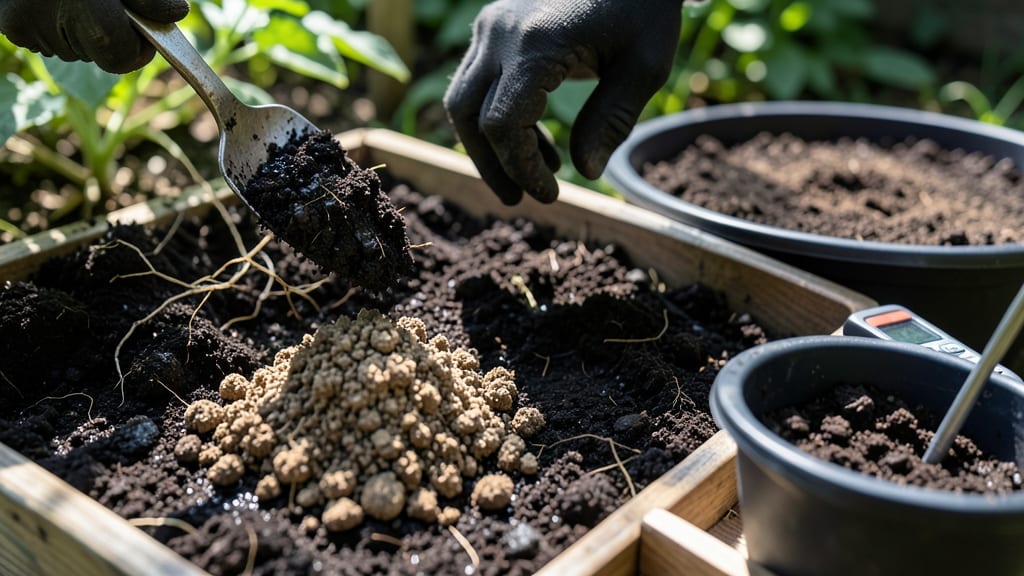
For acidic soil using coffee grounds, mix 1 part used grounds with 4 parts compost or soil—ideal for acid-loving plants like azaleas, blueberries, or rhododendrons. Use sparingly to avoid over-acidifying soil or disrupting microbial life. Fresh grounds break down quickly but may attract worms, while composted grounds provide steady pH adjustment.
Coffee grounds lower soil pH through natural organic acids like chlorogenic acid, but their impact depends on how quickly they decompose. 🌱 Fresh grounds release acidity faster, while composted grounds offer a slower, more controlled adjustment.
The key is balance—too much can harm beneficial soil microbes, while the right amount creates an ideal environment for acid-loving plants. I’ve found that mixing grounds with compost first helps buffer the pH shift and prevents clumping in the soil.
This method works best for plants that thrive in acidic conditions, such as hydrangeas (for vibrant blue blooms), citrus trees, and ferns. For vegetables like tomatoes or peppers, which prefer slightly acidic to neutral soil, use coffee grounds more cautiously.
Always apply in spring or fall, and monitor your plants for signs of stress—yellowing leaves or stunted growth may mean you’ve overdone it.
💡 In This Article
- How Coffee Grounds Affect Soil pH and Plant Health
- Best Plants for Coffee Ground Amendments and Application Tips
How coffee grounds affect soil pH and plant health
Coffee grounds work as a soil acidifier because they contain natural organic acids like chlorogenic acid and tannins, which break down into hydrogen ions (H+) when decomposing. These ions lower soil pH by displacing calcium and magnesium ions bound to soil particles—a process called cation exchange.
The effect is gradual, typically dropping pH by 0.1 to 0.5 units over 3-6 months, depending on soil composition. For example, sandy soils show faster pH changes than clay-heavy soils due to better drainage and microbial activity.
The decomposition rate of coffee grounds directly impacts acidity levels. Fresh grounds release acidity within 2-4 weeks as microbes break them down, creating a rapid but short-lived pH drop. Composted grounds, however, release acidity over 3-6 months, providing a steadier adjustment.
This is why composted grounds are preferred for long-term soil amendment—they mimic natural forest floor conditions where organic matter slowly acidifies the soil. Additionally, fresh grounds contain 2-3% nitrogen, which can initially boost microbial activity but may also attract earthworms if applied too thickly.
Over-acidification becomes a risk when coffee grounds are applied excessively, as the pH can drop below 5.0, harming beneficial microbes and nutrient uptake. For instance, blueberries thrive at pH 4.5-5.0, but many garden soils need only a slight adjustment to reach this range.
A 1:4 ratio of grounds to soil ensures a gentle acidification without disrupting the soil food web. The key is monitoring soil pH with a test kit every 3 months to avoid creating an environment too hostile for beneficial fungi and bacteria.
Another critical factor is the soil's buffering capacity—the ability to resist pH changes. Clay soils with high organic matter have better buffering than sandy soils, meaning they can handle coffee grounds more effectively.
For example, a 10% organic matter soil can absorb acidity better than one with just 2-3% organic matter. This is why pairing coffee grounds with compost (which adds organic matter) enhances their effectiveness while preventing clumping and improving soil structure.
Nitrogen release from decomposing grounds also plays a role in plant health. While nitrogen supports leafy growth, excessive amounts can lead to lush but weak foliage prone to pests. To balance this, pair coffee grounds with phosphorus-rich amendments like bone meal or potassium sources like wood ash (used sparingly).
This trio creates a nutrient synergy that supports root development and overall plant resilience. For instance, azaleas benefit from this combination because they require both acidic soil and balanced nutrients to produce vibrant blooms.
What most gardeners overlook is the role of mycorrhizal fungi, which thrive in slightly acidic soils and help plants absorb nutrients. Coffee grounds can disrupt these fungi if the pH drops too low, reducing nutrient availability.
To mitigate this, always mix grounds into the top 2-3 inches of soil rather than applying them as a surface mulch. This allows gradual decomposition while protecting the fungal networks deeper in the soil profile.