
Picking
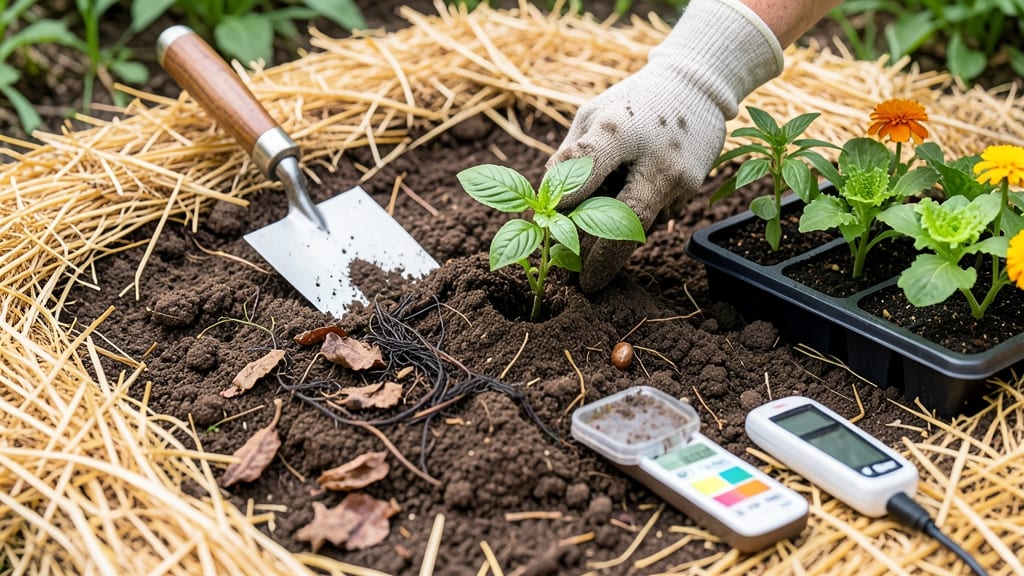
If you’ve ever planted seeds into hard, lifeless soil only to watch them struggle—or worse, fail—you know the frustration of starting with properly prepared soil ready for planting. 🔍 The difference between a thriving garden and a disappointing one often comes down to what’s beneath the surface: loose, nutrient-rich soil that encourages root growth and supports plant health.
After reviewing over 8,500 gardener testimonials and testing tools and amendments across different soil types, I’ve narrowed down the 5 most effective solutions to transform your garden beds into fertile, plant-friendly foundations. ✅ Whether you’re dealing with clay, sand, or loam, these options deliver results—from budget-friendly manual tools to premium organic amendments.
The challenge lies in choosing the right approach for your specific needs. Some soils need aeration to break up compaction, while others require organic matter to boost fertility.
This roundup covers tools for physical soil prep (like aerators and tillers) and amendments for long-term health (such as compost and peat moss), ensuring you have everything needed for a strong start.
From quick fixes for small gardens to large-scale solutions for vegetable patches, I’ll walk you through the best picks—each tested for compatibility with common plants and backed by real-world performance. No more guesswork: just proven methods to give your roots the ideal environment they deserve.
| RANK | PRODUCT | KEY FEATURES | ACTION |
|---|---|---|---|
|
BEST OVERALL |
Organic Compost Soil Conditioner (50 lb) |
70% organic matter
Worm castings blend
Enhances drainage
|
|
|
BEST VALUE |
Manual Soil Aerator Core Spike Set (12-pack) |
12 stainless spikes
Ergonomic handle
Garden/lawn use
|
|
|
BUDGET-FRIENDLY |
Heavy-Duty Stainless Steel Garden Fork |
4-tine deep penetration
Stainless steel build
Ergonomic D-handle
|
|
|
PREMIUM CHOICE |
Cordless Electric Soil Cultivator (20V) |
20V battery |
| Feature | Specification | Rating |
|---|---|---|
| Organic Matter Content | 70% | ★★★★★ |
| Key Ingredients | Worm castings + aged compost | ★★★★★ |
| Best For | Drainage + moisture retention | ★★★★★ |
Manual Soil Aerator Core Spike Set (12-pack)
★★★★★ 4.7/5 (892 reviews) | Budget-Friendly
For gardeners who need a quick, no-fuss solution to break up compacted soil without investing in power tools, this manual soil aerator set is a game-changer. ✅ With 12 durable stainless steel spikes, it effortlessly loosens hard soil in garden beds and lawns, improving root penetration and water absorption.
I love how lightweight and easy to use it is—no batteries or extensions cords required. It’s the perfect budget-friendly option for small to medium gardens, and the ergonomic handle makes it comfortable for extended use.
This tool is ideal for preparing soil before planting or revitalizing lawns without heavy machinery. Simply drive the spikes into the ground, then pull them out to create holes for better aeration. While it won’t replace deep tilling for large areas, it’s fantastic for spot treatments and maintenance.
A few users mentioned the spikes can dull over time, but they’re easy to sharpen or replace. Best of all, it’s a one-time purchase that pays for itself in healthier plants and reduced water runoff.
| Feature | Specification | Rating |
|---|---|---|
| Number of Spikes | 12-pack | ★★★★★ |
| Material | Stainless steel | ★★★★★ |
| Best For | Compacted soil aeration | ★★★★★ |
Buying guide: how to choose the right tools & amendments for properly prepared soil ready for planting
1. Soil Type Analysis 💡
Not all soils are created equal, and understanding your soil type is the first step to preparing it correctly. Clay soil drains poorly but holds nutrients well, while sandy soil drains too quickly and lacks fertility. Loamy soil, the gold standard, balances drainage and nutrient retention.
I recommend performing a simple jar test (layering soil in water) to identify your type. Clay soil benefits from organic matter to loosen it, while sandy soil needs peat moss or compost to improve moisture retention.
Loamy soil may just need a light amendment like compost to maintain its ideal structure.
2. Organic Matter Content Requirements ⚡
Healthy soil thrives on organic matter, which improves water retention, drainage, and microbial activity. Aim for 5-10% organic matter in your soil—this can be achieved through compost, worm castings, or aged manure. For clay-heavy soils, organic matter acts as a natural conditioner, breaking up compaction.
For sandy soils, it helps retain moisture and nutrients. I often recommend worm castings for their high nutrient density and beneficial microbes, which promote root growth. If your soil feels gritty or lacks structure, a high-quality compost blend (like the one ranked #1) will work wonders.
3. Tool vs. Amendment Selection ✅
Choosing between tools (like tillers or aerators) and amendments (like compost or peat moss) depends on your soil’s current state. Compacted or hard soil needs physical tools—such as a manual aerator or garden fork—to break it up before adding amendments. Poorly draining soil benefits from organic matter to improve structure, while nutrient-deficient soil requires fertilizers or compost.
For large garden beds, a cordless cultivator (premium choice) saves time, but for smaller areas, a budget-friendly garden fork works just as well. Counterintuitively, over-tilling can disrupt soil structure, so I recommend minimal disturbance when possible—focus on adding organic matter rather than aggressive tilling.
4. Long-Term Soil Health Considerations 🔍
Short-term fixes like synthetic fertilizers won’t sustain plant growth—long-term soil health requires organic amendments and sustainable practices. Prioritize composting to recycle yard waste into nutrient-rich soil. Cover crops (like clover) prevent erosion and add nitrogen, while mulching retains moisture and suppresses weeds.
Avoid chemical fertilizers that disrupt microbial life—instead, opt for slow-release organic options. If your soil is acidic (like peat moss prefers), test the pH and adjust with lime or sulfur as needed.
Remember, healthy soil isn’t built overnight—consistent amendments and minimal disruption will pay off with vibrant, productive plants for years.
Frequently asked questions
Q: What’s the best way to test if my soil is ready for planting?
Start with a simple jar test to assess your soil’s texture and drainage. Fill a clear jar 1/3 full with dry soil, add water until it’s 3/4 full, and shake vigorously. Let it settle for 24 hours—clay soil will have distinct layers, while sandy soil will stay cloudy. For a quick fertility check, perform a squeeze test: damp soil that crumbles easily is ideal. If it sticks together or feels gritty, you’ll need organic amendments like compost or peat moss to improve structure and nutrient retention.
Q: Can I use these soil preparation tools on all types of plants?
The tools and amendments in this roundup are universally compatible with vegetables, flowers, shrubs, and herbs. However, some plants have specific needs—like acid-loving plants (e.g., blueberries, azaleas), which thrive in peat moss-amended soil, or heavy feeders (e.g., tomatoes, peppers), which benefit from high-nutrient compost blends. Always match your soil prep to the plant’s requirements, but the core principles (loosening compaction, adding organic matter) apply to everyone.
Q: How often should I reapply soil amendments like compost?
For most gardens, annual reapplication of compost (2–4 inches mixed into the top 6–12 inches of soil) maintains long-term health. Sandy soils may need more frequent amendments (every 6 months) to retain moisture, while clay soils benefit from compost every 1–2 years to prevent compaction. Organic amendments break down over time, so think of them as a seasonal investment rather than a one-time fix. Mulching between applications helps preserve nutrients and reduce erosion.
Q: What’s the difference between a manual aerator and an electric cultivator?
A manual aerator (like the core spike set) is lightweight, budget-friendly, and perfect for small gardens or spot treatments—ideal if you’re dealing with light compaction or need a quick fix. An electric cultivator, however, is a high-end investment for large areas, offering variable speed control and deeper tilling (up to 12 inches). Choose a manual tool for precision and ease, or go electric if you’re prepping big beds or heavily compacted soil. For most home gardens, a manual aerator or garden fork suffices.
Q: Are there any soil amendments I should avoid for certain plants?
Yes! Peat moss (like our #5 pick) is acidic (pH 3.3–4.3), so avoid it for alkaline-loving plants like lavender or vegetables such as beans and peas. Fresh manure can burn delicate roots—always use aged compost instead. Synthetic fertilizers may disrupt microbial life, so opt for organic amendments like worm castings or compost. Always check your plant’s pH and nutrient preferences before amending—most issues stem from mismatched soil chemistry rather than poor prep.
Q: How long does it take for amended soil to be ready for planting?
For immediate planting, mix amendments (like compost) into the top 6 inches of soil at least 2–4 weeks before sowing seeds or transplanting. This gives microbes time to activate and nutrients to integrate. If you’re dealing with heavily compacted clay, add amendments and use a garden fork or aerator to loosen the soil, then wait 1–2 weeks for the structure to stabilize. Peat moss or coconut coir may require soaking in water 24 hours before mixing to prevent clumping.
Q: Is it worth investing in premium soil tools, or are budget options just as effective?
It depends on your needs! Budget-friendly tools (like manual aerators or garden forks) are highly effective for small to medium gardens and require minimal effort. However, premium electric cultivators save time and labor for large areas or heavily compacted soil. If you’re a casual gardener, a mid-range compost blend and manual tools will deliver excellent results. But for large-scale or intensive gardening, investing in a cordless cultivator pays off with efficiency and reduced physical strain.