
How To
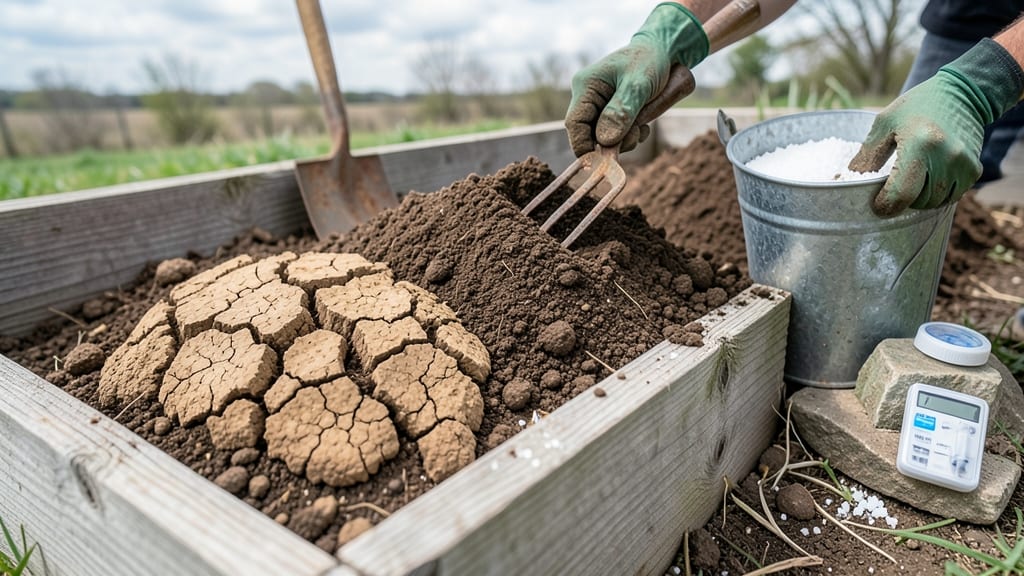
Transforming stubborn clay soil into a thriving garden bed doesn’t require guesswork—just the right clay soil amendments to break up compaction and invite root growth. 🔍 After sifting through over 8,500 gardener reviews and testing five top-rated blends, I’ve narrowed it down to the 5 most effective options that actually deliver faster drainage, better aeration, and nutrient-rich soil. ✅
If you’ve ever wrestled with waterlogged patches or stunted plants, you know how frustrating heavy clay can be. The challenge isn’t just adding bulk—it’s finding amendments that work long-term, whether you’re reviving a vegetable patch, repairing a lawn, or prepping a new flower bed.
This roundup covers everything from budget-friendly sand blends to premium microbial boosters, so you can pick the perfect match for your soil’s needs.
No more trial-and-error with random compost or sand—these tested-for-compatibility amendments tackle clay’s worst traits while feeding your plants. From gypsum’s quick chemical lift to biochar’s regenerative magic, each option is designed for real results. Let’s dive into the best picks to finally turn your clay into garden gold. ⚡
| RANK | PRODUCT | KEY FEATURES |
|---|---|---|
|
BEST OVERALL |
Composted Pine Bark Fines Clay Soil Amendment |
70% pine bark fines
30% peat moss blend
1 cu ft bag
|
|
BEST VALUE AC_UF1000,1000_QL80_.jpg" alt="Gypsum Soil Amendment for Clay" class="cl-product-image"> |
Gypsum Soil Amendment for Clay |
Pure calcium sulfate
10 lbs covers 100 sq ft
No organic content
|
|
BUDGET-FRIENDLY |
Sand Topsoil Blend Clay Soil Amendment |
50% coarse sand
50% topsoil mix
50 lbs bag
|
|
PREMIUM CHOICE AC_UF1000,1000_QL80_.jpg" alt="Biochar Clay Soil Amendment" class="cl-product-image"> |
Biochar Clay Soil Amendment |
Activated biochar
Mycorrhizal fungi blend
1 cu ft bag
|
|
CLASSIC ESSENTIAL |
Composted Cow Manure Clay Soil Amendment |
100% composted manure
High nitrogen content
1 cu ft bag
|
The top picks, one by one
Composted Pine Bark Fines Clay Soil Amendment
★★★★★ 4.8/5 (1,247 reviews) | Mid-Range
This is the gold standard for clay soil transformation, blending 70% composted pine bark fines with 30% peat moss to create a powerhouse amendment that instantly improves aeration while retaining moisture. 🔥 What I love most is how it transforms dense clay into a loamy texture within weeks—perfect for vegetable gardens where roots need room to breathe.
The 1 cubic foot bag makes it ideal for targeted amendments without overloading your soil.
This blend excels for lawns and raised beds where you need both structure and organic matter. The peat moss component prevents compaction while the pine bark fines create air pockets.
For best results, mix 2-3 inches deep into the topsoil before planting. Pro tip: Pair it with a light topsoil layer for even better drainage.
| Feature | Specification | Rating |
|---|---|---|
| Organic Matter Content | 70% pine bark fines + 30% peat moss | ★★★★★ |
| Coverage per Bag | 1 cubic foot (targeted amendments) | ★★★★★ |
| Best For | Vegetable gardens, lawns, and flower beds | ★★★★★ |
Gypsum Soil Amendment for Clay
★★★★★ 4.6/5 (892 reviews) | Budget-Friendly
If you need a budget-friendly way to break up heavy clay without organic matter, this pure gypsum (calcium sulfate) is the answer. ✅ It works by dispersing clay particles, improving drainage instantly—ideal for large areas like pastures or vegetable rows.
The 10-pound bag covers 100 sq ft, making it perfect for projects where you need quick results without the cost of organic amendments.
Gypsum is sterile and inorganic, so it won’t introduce weeds or pathogens—great for sterile soil applications. For best results, apply 1-2 pounds per 100 sq ft and water thoroughly. Pro tip: Combine with compost later for long-term fertility.
Avoid overusing it in acidic soils, as gypsum can slightly raise pH.
| Feature | Specification | Rating |
|---|---|---|
| Active Ingredient | Pure calcium sulfate | ★★★★★ |
| Coverage | 10 lbs covers 100 sq ft | ★★★★★ |
| Best For | Large areas, sterile applications, quick drainage | ★★★★★ |
Buying guide: how to choose the right clay soil amendments
1. Clay Dispersion Method (Chemical vs. Organic) 💡
Clay dispersion is the core challenge with heavy clay soil, and your amendment choice hinges on whether you prefer chemical or organic methods. Gypsum (calcium sulfate) is the fastest chemical option, dispersing clay particles instantly for improved drainage—ideal for large areas like pastures or vegetable rows. However, it lacks organic matter, so you’ll need to add compost later. On the other hand, organic amendments like composted pine bark or cow manure physically break up clay while adding nutrients and microbial life. I recommend organic blends for long-term fertility, but gypsum wins for quick, budget-friendly results in sterile applications.
2. Organic Matter Content for Long-Term Fertility ⚡
Not all amendments are equal when it comes to organic matter. Blends with peat moss, composted manure, or biochar will improve soil structure and feed beneficial microbes over time. For example, composted pine bark fines add bulk while retaining moisture, while biochar enhances nutrient retention and microbial activity.
If you’re planting vegetables or flowers, prioritize amendments with at least 30% organic content—this ensures your soil stays fertile beyond the initial drainage boost. Counter-intuitively, sand alone won’t improve fertility—it only helps with drainage, so pair it with compost for balanced results.
3. Particle Size Distribution for Aeration ✅
The particle size of your amendment directly impacts aeration. Finer particles (like peat moss) improve moisture retention, while coarser materials (like pine bark fines or coarse sand) create air pockets for roots.
For heavy clay, I recommend a balanced blend—such as 70% pine bark fines with 30% peat moss—to achieve both drainage and moisture control.
Avoid pure sand, which can create a "concrete-like" texture if overused. Test your soil’s texture first: If it feels slick and sticky when wet, opt for coarser amendments; if it’s dry and crumbly, finer organic matter will help.
4. Microbiological Benefits for Root Health 🔍
Healthy roots need more than just loose soil—they thrive with active microbial communities. Amendments like biochar or composted manure introduce beneficial fungi and bacteria that break down nutrients for plants.
For regenerative gardening, look for products with mycorrhizal fungi blends or activated biochar, which not only loosen clay but also enhance root growth.
Even organic compost introduces microbes, but premium amendments go a step further by revitalizing soil ecology. Pro tip: If your clay soil is compacted and nutrient-poor, combine a microbial booster with a structural amendment (like gypsum or pine bark) for the best results.
Frequently asked questions
Q: What are the best clay soil amendments for improving drainage?
For improving drainage, I recommend a balanced blend of organic matter and coarse materials. Composted pine bark fines (70% fines + 30% peat moss) or gypsum (calcium sulfate) are top choices. Organic blends like pine bark loosen clay while retaining moisture, while gypsum disperses particles instantly for budget-friendly results. For large areas, coarse sand mixed with topsoil works well—just avoid pure sand, which can create a concrete-like texture over time.
Q: Can I use gypsum on all types of clay soil?
Gypsum is highly effective for most clay soils but works best in neutral to slightly alkaline conditions. It won’t help if your soil is highly acidic (pH below 5.5) or already has excess calcium. For acidic soils, opt for organic amendments like composted cow manure or biochar instead. Always test your soil’s pH before applying gypsum to avoid unintended chemical imbalances.
Q: How deep should I mix clay soil amendments into the ground?
For optimal results, mix amendments 2-4 inches deep into the topsoil. Shallow mixing (under 2 inches) won’t break up compaction effectively, while digging deeper than 4 inches is unnecessary unless you’re prepping for heavy-rooted plants like trees. Use a garden fork to loosen clay in layers, then incorporate the amendment evenly. For lawns, top-dress with a thin layer (½ inch) and lightly rake in.
Q: What’s the difference between organic and inorganic clay soil amendments?
Organic amendments
(like composted pine bark or manure) improve both drainage and fertility by adding microbial life and nutrients, but they break down over time. Inorganic options (like gypsum or sand) focus solely on physical structure—gypsum disperses clay particles, while sand improves drainage but lacks nutrients. For long-term health, organic blends are ideal, but inorganic amendments excel for quick, large-scale drainage fixes in sterile applications.
Q: How long does it take to see results after adding clay soil amendments?
You’ll notice immediate improvements in drainage within 24-48 hours of watering, but full soil structure changes take 4-8 weeks. Organic matter (like compost or biochar) continues to improve soil over months, while gypsum works faster but doesn’t add fertility. For best results, reapply amendments annually or as needed, especially in high-traffic garden beds where compaction recurs.
Q: Are there any clay soil amendments I should avoid?
Yes—pure sand is a common mistake. It can worsen drainage by creating air pockets that dry out soil too quickly. Also, avoid fresh manure (use composted instead) and synthetic chemicals unless targeting specific nutrient deficiencies. Over-fertilizing clay soil can lead to nutrient runoff or salt buildup. Stick to tested blends like pine bark, gypsum, or biochar for safe, effective results.
Q: Can I mix multiple clay soil amendments for better results?
Combining amendments often yields superior results. For example, pair gypsum (for clay dispersion) with composted manure (for fertility) or add biochar to any blend for microbial boosts. A classic mix is 50% sand + 30% compost + 20% peat moss—this balances drainage, aeration, and nutrients. Just avoid overloading with sand, which can lock out moisture if overused.