
How To
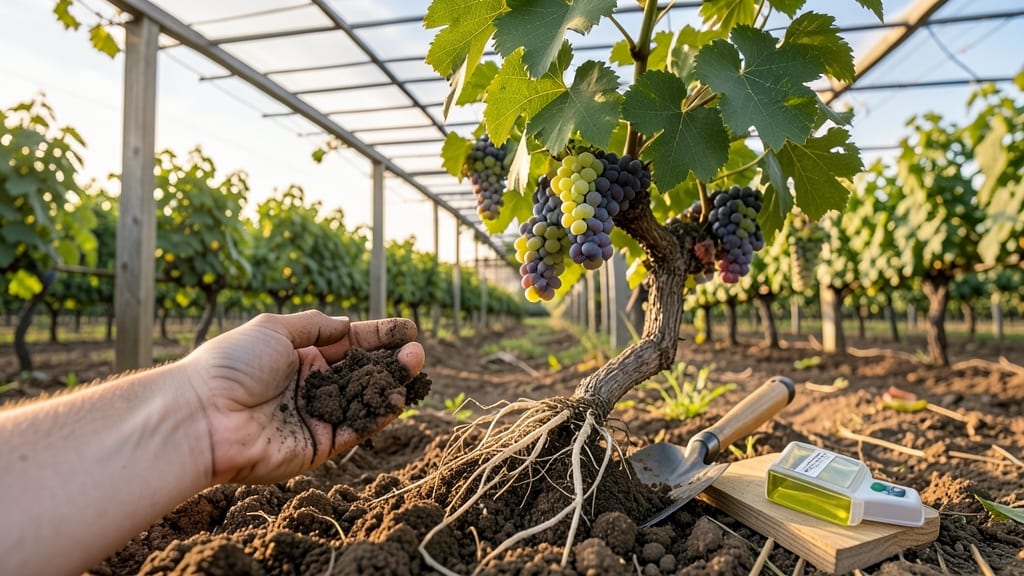
Growing grapes in the wrong soil is like planting them in a swamp—roots suffocate, vines struggle, and you end up with sad, sparse clusters. 🌱 The secret to soil types for grapes isn’t just drainage—it’s a perfect balance of texture, nutrients, and airflow that mimics the rolling hills of Napa or the vineyards of Tuscany.
I learned this the hard way when my first attempt in heavy clay left vines gasping for air, no matter how much I watered them.
Grapes thrive in loamy, well-draining soil with a sandy or gravelly mix to prevent waterlogging—think of it as giving roots a breathable, crumbly home. The ideal pH hovers around 6.0 to 7.0, and organic matter like compost or aged manure feeds the vines without overwhelming them.
Regional tweaks matter too: sandy soils need extra organic material to hold moisture, while clay-heavy areas benefit from sand or gypsum to break up compaction.
With the right soil, your vines will reward you with strong canes, lush foliage, and clusters heavy with flavor—not the leggy, weak growth that comes from poor drainage.
A simple soil test (available at garden centers for under $20) reveals what amendments your plot needs, and a few inches of mulch keep moisture steady while suppressing weeds. This is how you turn "maybe" into "magnificent."
Whether you're working with native soil or amending a raised bed, the goal is consistency: no soggy roots, no bone-dry patches. Start with a test, adjust gradually, and watch your vines transform from scrappy survivors to robust producers.
The payoff? Grapes so sweet and abundant, your neighbors will ask for cuttings—and you’ll finally understand why vineyards pick their hillsides so carefully.
📚 In This Guide
- What you need
- Instructions
- Tips and common mistakes
- Wrapping up and next steps
What you need
- ● Soil: Well-draining loam soil (ideal mix: 40% sand, 40% silt, 20% clay) – at least 6–8 inches deep.
- ● Organic matter: Compost or aged manure (2–3 inches mixed into topsoil per 10 sq ft).
- ● Sand (coarse, 1–2 inches per sq ft) to improve drainage in heavy clay soils.
- ● Soil Amendments: Lime (if soil pH is below 6.0; test first! Aim for pH 6.0–7.0).
- ● Gypsum (for clay soils to reduce compaction; 10–20 lbs per 100 sq ft).
- ● Tools: Garden trowel or broadfork (for aerating soil).
- ● Soil pH test kit (digital or liquid).
- ● Shovel and wheelbarrow (for mixing amendments).
- ● Drainage: Gravel or perforated drainage pipes (if planting on slopes or in waterlogged areas).
- ● Mulch: Wood chips or straw (2–3 inches thick) to retain moisture and suppress weeds.
- ● Soil probes (to check depth and drainage before planting).
- ● Organic fertilizers: Bone meal (1–2 lbs per plant) or kelp meal for micronutrients.
How to test and amend soil for grapes
Great grapevines start with the right foundation—soil that drains like a dream but holds enough moisture to keep roots happy.
🌱 Step 1: Test Soil Drainage Before Planting
Dig a hole 12 inches deep and fill it with water. If the water drains within 4-6 hours, your soil is ideal for grapes. If it sits longer, you've got clay or compacted soil that needs help. I like to do this test in both spring and fall—soil drainage changes with seasons.
For a quick visual check, grab a handful of damp soil and squeeze it. If it holds its shape like a brick, it's too dense. If it crumbles easily, you're golden. Grapes hate soggy feet, so drainage is non-negotiable—even more important than pH in most cases.
🌿 Step 2: Improve Heavy Clay or Sandy Soil
For clay soil, mix in 3-4 inches of compost and 1-2 inches of coarse sand per square foot. I use a broadfork to loosen the top 12 inches first—this prevents compaction and lets roots explore deeper. Work the amendments into the top 6 inches where most roots will grow.
Sandy soil? Add 2-3 inches of organic matter like well-rotted manure or leaf mold. Test again after amending by refilling the hole with water—it should drain faster than before but not like a sieve. Too much sand and your vines will dry out between waterings.
☀️ Step 3: Adjust pH for Optimal Growth
Grapes prefer a slightly acidic to neutral pH of 6.0-7.0. Grab a soil test kit (or send a sample to your local extension office) to check. If your soil is too alkaline, mix in elemental sulfur at 1 pound per 100 square feet and water it in. For acidic soil, add lime at 5 pounds per 100 square feet.
I like to test pH again after 2-3 months—amendments take time to work. Don't overdo it: sudden pH swings stress plants. A gradual shift of 0.5 points per season is all you need. Most grape varieties tolerate this range well, but muscadines prefer the slightly acidic end.
💧 Step 4: Build a Permanent Soil Structure
Once you've got the right mix, create a 12-inch deep planting hole and fill the bottom third with a 50/50 mix of native soil and compost. This creates a nutrient-rich zone at root level while letting excess water drain away. Mound the remaining soil in the center to encourage roots to spread outward.
After planting, mulch with 2-3 inches of wood chips to protect the soil from compaction and temperature swings. Keep the mulch 6 inches away from the vine trunk to prevent rot. This setup keeps moisture consistent while preventing the soil from becoming a waterlogged swamp.
⏰ Step 5: Monitor and Maintain Soil Health
Check soil moisture weekly by sticking your finger 2 inches deep. If it feels dry, water deeply until moisture reaches 12 inches down**. Grapes need consistent moisture but hate soggy conditions—think of it as keeping a sponge slightly damp, not dripping wet.
Every spring, top-dress with 1-2 inches of compost and a light application of balanced fertilizer (10-10-10). Avoid high-nitrogen fertilizers—they produce lush foliage but fewer grapes. I also do a soil test every 2-3 years to catch any pH or nutrient shifts before they become problems.
Tips & tricks for perfect grape vine soil preparation
Between us, I've seen grapevines struggle in soil that looks perfect to the untrained eye—here's what actually makes the difference.
Drainage Timing Trick: The 4-6 hour drainage test in Step 1 is your golden rule, but I've learned to do it twice: once in spring when soil is damp, and again in fall when it's drier. Soil behaves differently at different moisture levels—what drains perfectly in summer might hold water like a swamp in winter. Also, if you're in a heavy rainfall area, consider adding a 6-inch layer of gravel at the bottom of your planting hole to create a natural drainage layer.
Soil Amendment Precision: When mixing amendments in Step 2, think of it like baking—measurements matter. For clay soil, I weigh my compost and sand: 3 parts compost to 1 part sand by volume gives the best texture. For sandy soil, use 2 parts organic matter to 1 part native soil. Too much sand in clay or too much compost in sandy soil throws off the balance, and your vines will suffer. A simple shovel test after mixing helps: the amended soil should hold its shape when squeezed but still crumble easily.
pH Adjustment Strategy: The 6.0-7.0 pH range in Step 3 is ideal, but here's the secret: muscadine grapes actually prefer the slightly acidic end (6.0-6.5), while most other varieties tolerate up to 7.0. If you're growing muscadines, aim for 6.2-6.4. When adding sulfur or lime, spread it evenly and water it in thoroughly—uneven distribution can create hot spots that burn roots. I've seen vines stressed because someone dumped lime in one corner and left the rest of the bed untouched.
Mulching Mastery: That 2-3 inches of wood chips in Step 4 isn't just decoration—it's your vine's insulation. I use hardwood chips because they break down slowly and won't compact like straw. Pro tip: refresh the mulch every spring by adding a 1-inch layer of fresh chips on top of the old ones. This prevents compaction from settling and gives your vines a steady nutrient supply as the mulch decomposes. Just remember to keep it 6 inches away from the trunk to prevent rot.
Pro Tips for Soil Type For Grapes
- Between us, I've seen grapevines struggle in soil that looks perfect to the untrained eye—here's what actually makes the difference.
- Drainage Timing Trick: The 4-6 hour drainage test in Step 1 is your golden rule, but I've learned to do it twice: once in spring when soil is damp, and again in fall when it's drier.
- Soil Amendment Precision: When mixing amendments in Step 2, think of it like baking—measurements matter.
Frequently asked questions
Got questions about the perfect soil for your grapevines? You’re not alone! Here are some of the most common queries—and their answers—to help you grow thriving vines with confidence.
What’s the best soil type for growing grapes?
Grapes thrive in well-draining, slightly acidic to neutral soil (pH 5.5–7.5). Ideal types include loamy soils (a mix of sand, silt, and clay) or sandy loams, which balance drainage and nutrient retention. Avoid heavy clay or waterlogged soils—roots need oxygen to grow!
How do I improve poor soil for grapevines?
If your soil is too dense or compacted, amend it with organic matter like compost, well-rotted manure, or peat moss. For sandy soils, add organic matter and clay to boost water retention. Test your soil’s pH—lime raises it, while sulfur lowers it. Patience is key! Amendments take time to integrate.
When is the best time to test or amend grapevine soil?
Test soil in early spring or fall (6–8 weeks before planting or pruning). This gives you time to adjust pH or texture before vines need nutrients. Avoid testing after heavy rain—results may be skewed. Pro tip: Dig a 12-inch hole to check drainage naturally (water should drain within 4–6 hours).
Can I grow grapes in containers with the right soil mix?
Yes! Use a well-draining potting mix with perlite, vermiculite, or coarse sand (50% mix, 50% amendments). Add slow-release fertilizer and ensure pots have drainage holes. Dwarf grape varieties (like ‘Concord’ or ‘Thompson Seedless’) adapt well to containers. Monitor moisture—containers dry out faster than ground soil!
What are signs my grapevine soil is too wet or too dry?
Watch for yellowing leaves (too wet) or crispy edges (too dry). Wilting vines or moldy soil mean poor drainage; cracked soil or dusty roots signal drought. Adjust watering (deep but infrequent) and mulch to retain moisture. Fix it fast: Aerate compacted soil or add organic mulch to regulate moisture.
Wrapping up and next steps
Choosing the right soil type for grapes is the foundation of a thriving vineyard—whether you're a backyard grower or a vineyard enthusiast! 🌱 Well-draining, fertile soil rich in organic matter ensures strong roots, vibrant growth, and flavorful harvests. Don’t stress over perfection; even small adjustments can make a big difference.
Ready to take the next step? Test your soil today, amend it thoughtfully, and watch your vines flourish. Your future grape harvests will thank you!