
Landscaping
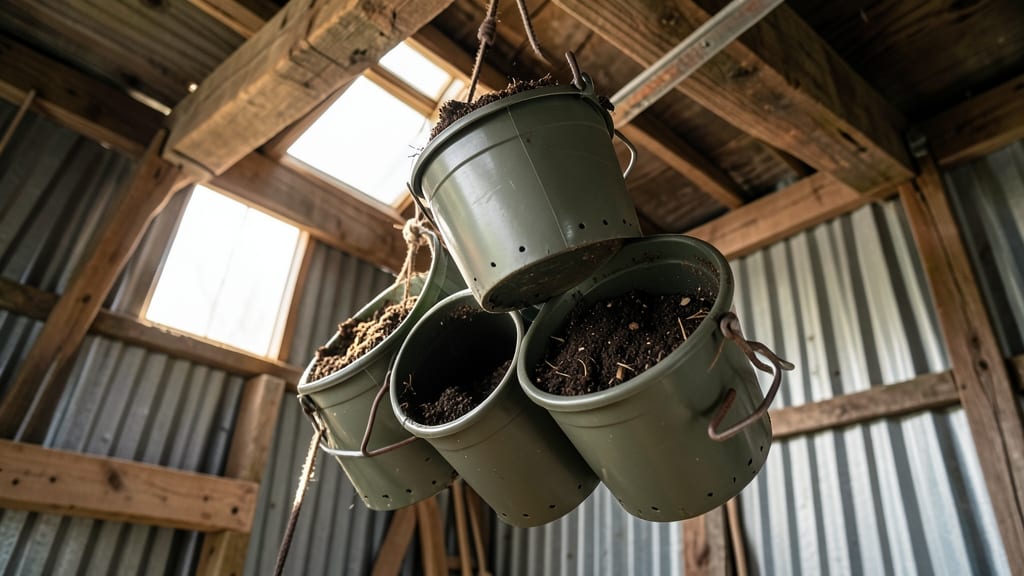
Storing potting soil properly extends its lifespan and keeps it ready for planting whenever inspiration strikes. These 10 creative storage solutions prevent compaction, moisture loss, and pests while maximizing space efficiency in your garden or home.
Heavy-Duty Plastic Storage Bins with Airtight Lids
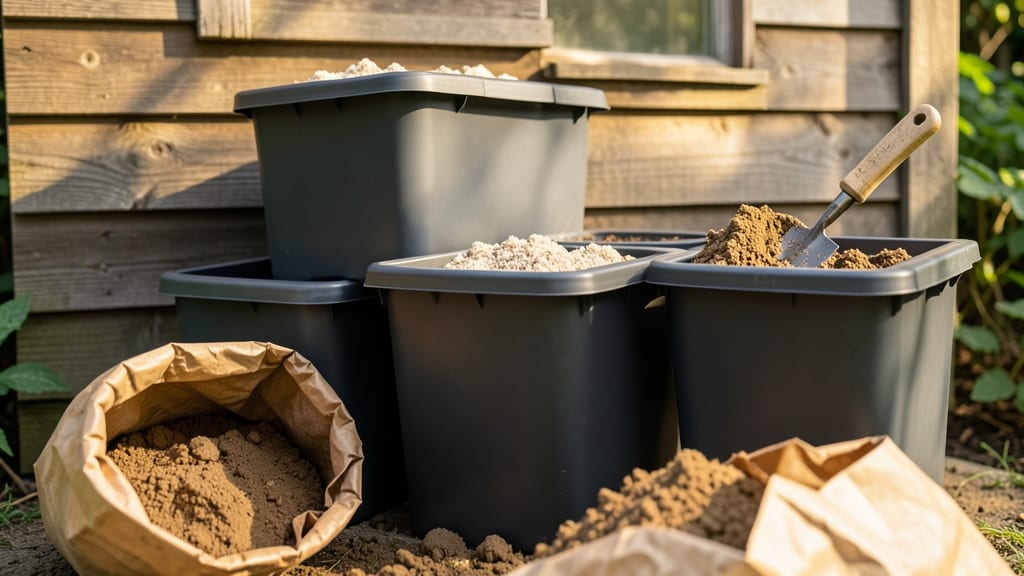
If you’re tired of digging through heavy, compacted bags of potting soil every planting season, heavy-duty plastic storage bins with airtight lids are your game-changer. These bins keep your soil lightweight and fluffy, making it easy to scoop and mix—no more wrestling with clumps or dealing with moisture loss over time.
Choose clear or opaque bins (depending on whether you prefer visibility or light protection) and stack them vertically in basements or garages to maximize space. The airtight seals prevent pests and mold while preserving moisture, so your soil stays fresh for months. Label each bin with the soil type and date to track freshness—perfect for seedling starters or large-scale gardeners who need quick access to bulk supplies.
This method is ideal for those who prioritize organization and efficiency, especially if you’re prepping for spring planting or storing specialty mixes like cactus soil or hydroponic blends. 💡
Fabric Grow Bags for Vertical Storage
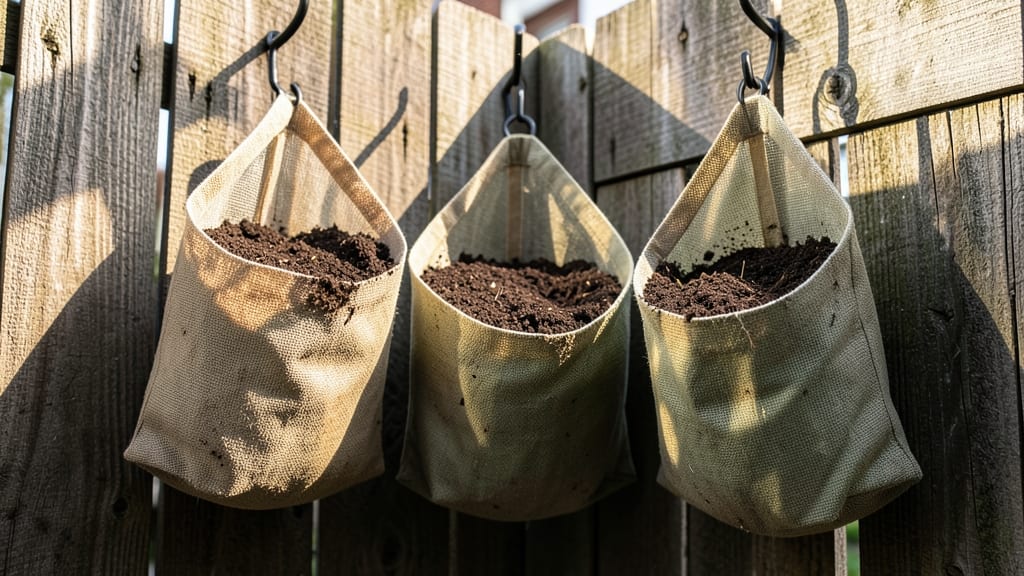
If your garden space is tight but you still want to keep potting soil fresh and ready, fabric grow bags are your secret weapon. These breathable bags hang effortlessly on walls, fences, or hooks, transforming dead space into functional storage while preventing the dreaded soil compaction that ruins texture over time.
Unlike rigid containers, fabric allows air to circulate through the soil, maintaining its loose structure for up to a year if stored in a dry, shaded spot. For urban gardeners, this means storing 20+ pounds of soil without sacrificing floor space—just hang them like laundry! To maximize freshness, add a damp paper towel inside before sealing the bag loosely. These bags also resist pests better than plastic since they don’t trap moisture.
This method is perfect for balcony gardeners, tiny home dwellers, or anyone with limited garage space. Plus, the bags double as grow containers when planting season arrives! 🌱
Mason Jars with Screw-On Lids for Small Batches
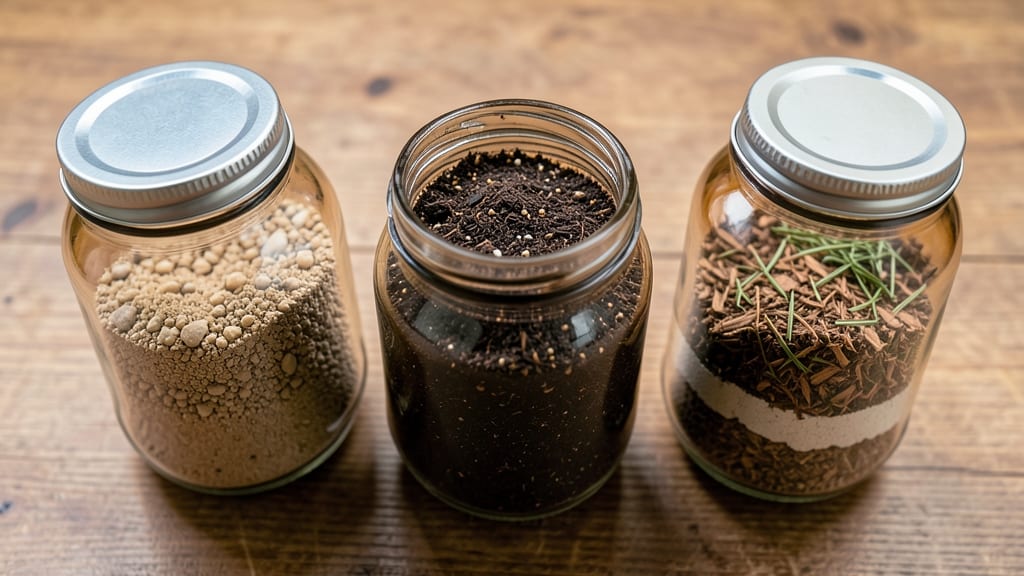
Need to preserve the perfect blend for your herb garden or delicate seedlings? Mason jars with screw-on lids are the unsung heroes of small-batch soil storage, keeping moisture and texture intact for months.
Fill jars with your custom mix—like cactus soil or seed-starting blends—and seal tightly to lock in freshness. The glass lets you monitor soil condition without opening, while the screw-on lid creates an airtight seal that prevents mold. Label each jar with contents and dates for easy rotation.
This method is ideal for urban gardeners with limited space or anyone who loves the charm of repurposed kitchenware. Plus, the clear jars make it easy to spot when soil needs refreshing—no guesswork! 🌱
Underground Buried Containers for Long-Term Use
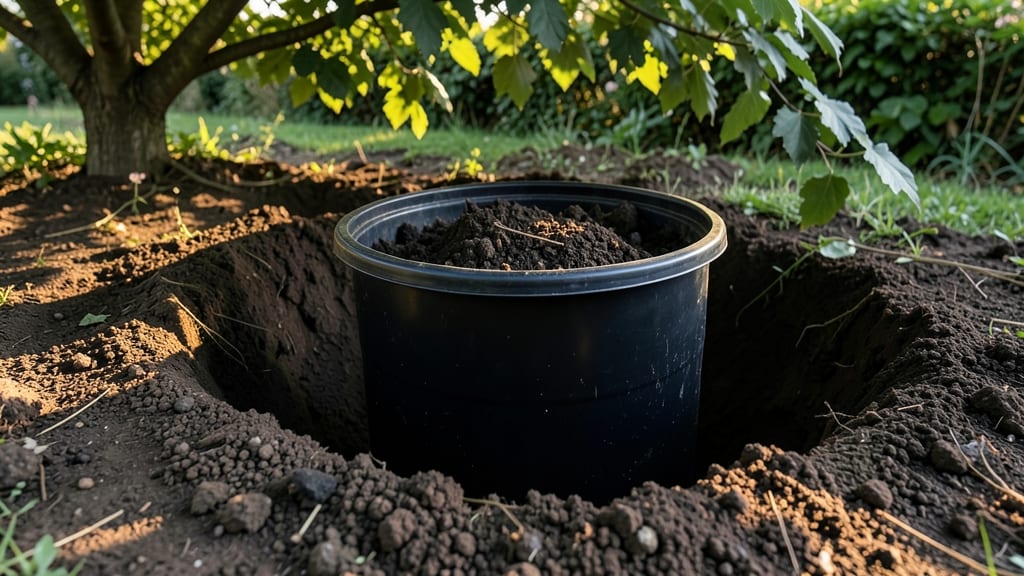
Tired of soil drying out or freezing solid between gardening seasons? Burying plastic barrels or bins in shaded garden areas creates a natural climate-controlled storage system that keeps potting soil fresh for months—no electricity or fancy equipment needed.
Dig a hole deep enough to cover the container completely (about 18 inches), leaving just the lid accessible. The earth acts as insulation, maintaining consistent temperatures and humidity levels—critical for preventing mold or compaction. This method works especially well for bulk storage of general-purpose potting mixes, perfect for gardeners who prep for spring planting during winter.
This low-maintenance solution is ideal for those with outdoor storage space and saves money by eliminating the need for heated or insulated indoor storage. 💚
Collapsible Fabric Soil Bags for Travel
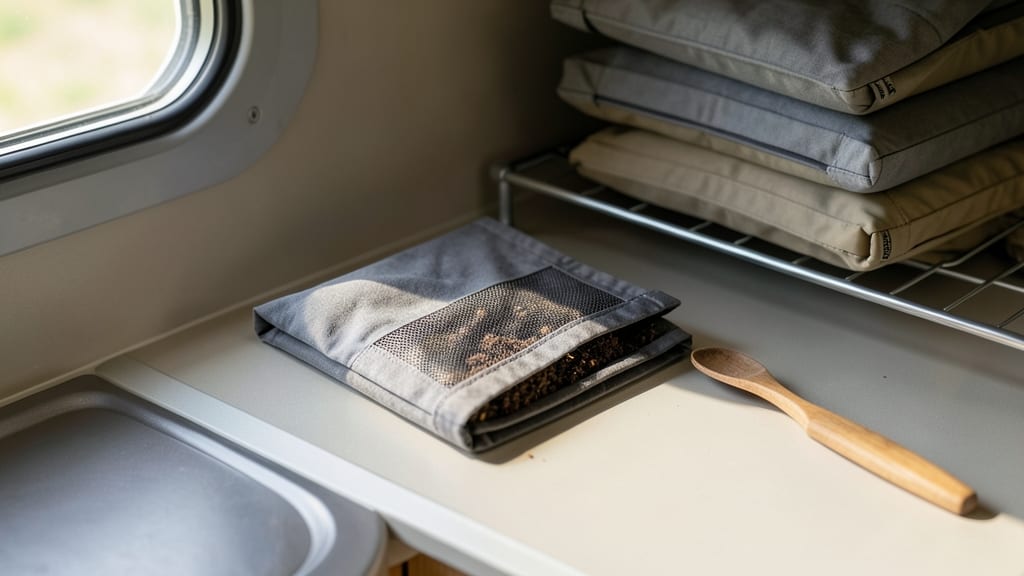
If you're a nomadic gardener—whether you live in an RV, tiny home, or vacation rental—keeping potting soil on hand shouldn’t mean hauling heavy bags or sacrificing quality. Collapsible fabric soil bags solve this problem by letting you store soil in a lightweight, compact form that folds down to almost nothing when empty.
These bags are made from breathable fabric that prevents compaction while allowing airflow, so your soil stays loose and ready for use. Most models hold 5-20 gallons of soil, making them perfect for container gardening or seedling starters. When full, they’re sturdy enough for travel; when empty, they collapse to fit in a backpack or storage bin. Just add a waterproof liner if you’re storing them in damp environments.
This method is ideal for seasonal gardeners or those who frequently relocate, ensuring you always have fresh soil without bulk storage constraints. Plus, they’re reusable and eco-friendly—win-win for plant lovers on the move! 🌱
Wooden Crates with Breathable Lids
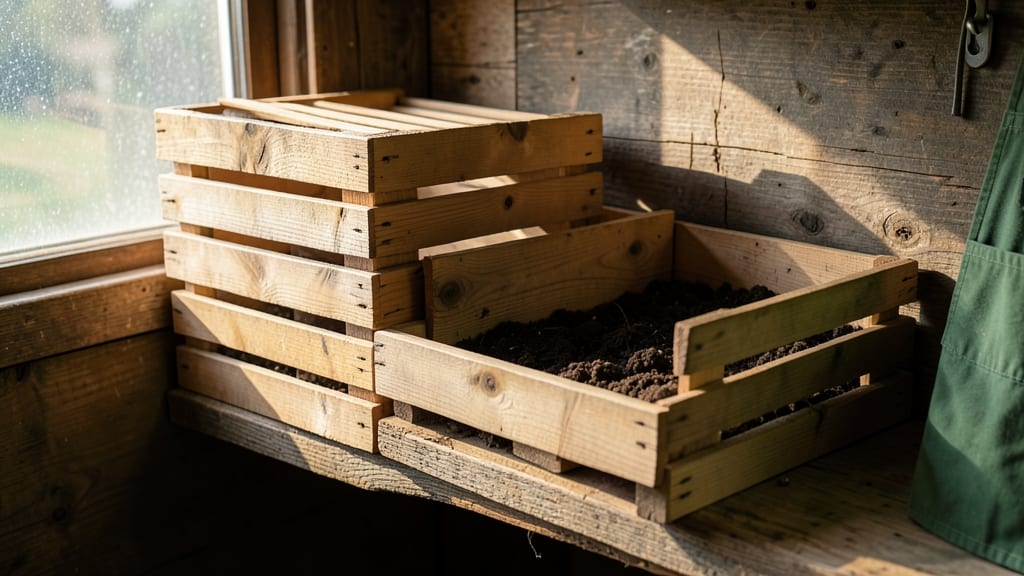
Transform your workshop or shed into a functional storage space with wooden crates featuring breathable lids. These crates blend rustic charm with practicality, keeping your potting soil aerated while protecting it from pests and moisture fluctuations—ideal for container gardening or terrarium mixes.
Opt for crates with slatted or mesh lids to allow airflow, preventing compaction and preserving soil structure. Line the bottom with a breathable burlap sack to wick away excess moisture, and stack them on pallets or shelves for easy access. This method works especially well for organic soil blends or mixes containing perlite, as it maintains their light, fluffy texture.
Perfect for gardeners who love a hands-on, DIY aesthetic, these crates also double as stylish storage for tools or small plants. Whether you're prepping for spring containers or storing specialty mixes, they’re a durable, long-term solution that keeps your soil ready for planting. 🌻
Ziploc Bags with Moisture Control
When you need a quick, no-fuss solution for storing potting soil but don’t want to invest in fancy containers, Ziploc bags are your secret weapon. This ultra-budget method works perfectly for short-term storage—think weekend projects, last-minute seedling starts, or emergency planting when you’re caught without prepped soil.
Simply fill a quart-sized Ziploc bag with your potting mix, then add a damp paper towel to the bottom before sealing. The moisture prevents the soil from drying out, while the bag’s flexibility keeps it lightweight and easy to stash in a drawer or toolbox. For extra organization, label each bag with the soil type or date—great for herb mixes, seed-starting blends, or cactus soil you’ll use within a few weeks.
This trick is ideal for beginners, apartment gardeners, or anyone with limited storage space. Just remember to use these bags within 2-4 weeks for best results, as prolonged storage can still lead to compaction or mold. 💡
Insulated Coolers for Seasonal Fluctuations
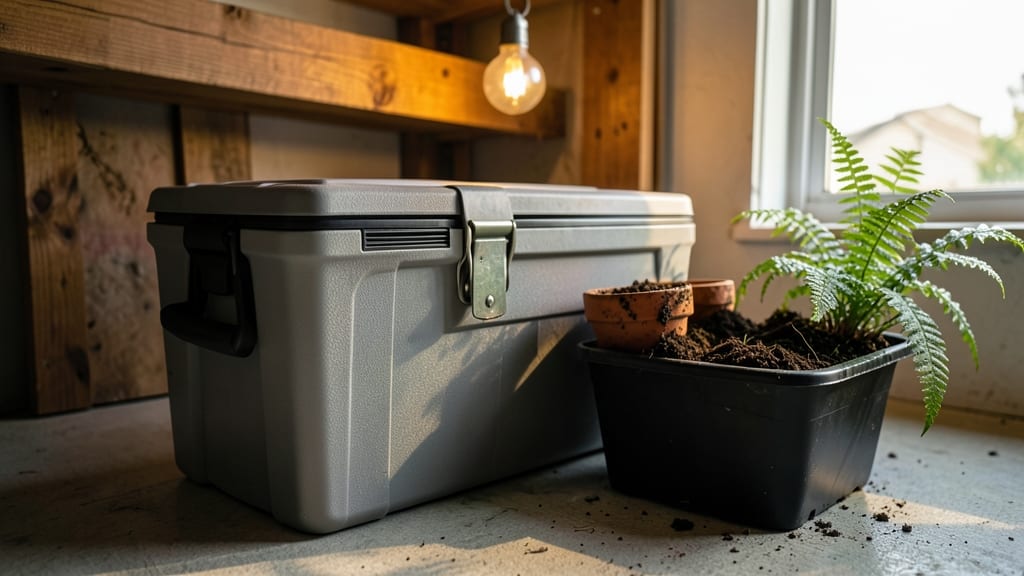
When tropical plants like ferns, calatheas, or hibiscus demand consistent temperatures, your garage or shed becomes their climate-controlled sanctuary—thanks to insulated coolers. These rugged containers shield soil from scorching summer heat or freezing winter temps, preserving its structure and nutrients for months.
Fill a food-grade insulated cooler (like a Yeti or RTIC) with potting soil, leaving 2-3 inches of air at the top to prevent condensation. For extra humidity, place a damp towel inside before sealing. This method works year-round: use it to store soil for heat-sensitive seedlings in summer or keep it ready for spring planting during winter. The cooler’s double-walled design mimics a greenhouse’s stable environment.
Perfect for gardeners with unpredictable climates or those nurturing delicate plants, this solution requires minimal space and no electricity. Just keep it out of direct sunlight or freezing drafts—your soil (and tropical babies) will thank you. 🌿
Hanging Net Pouches for Small Quantities
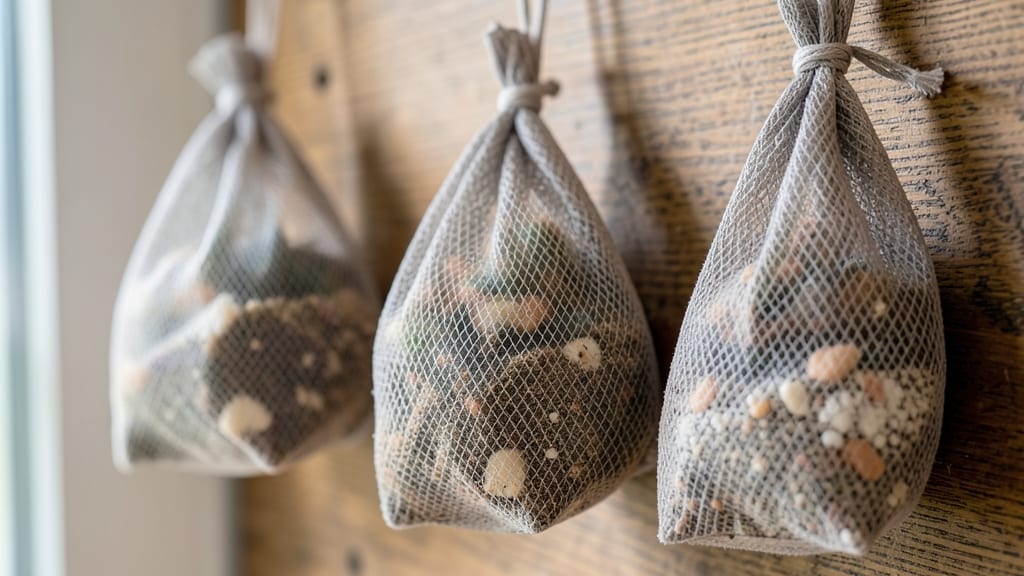
Small-space gardeners and succulent lovers, rejoice—hanging net pouches are the ultimate solution for storing tiny soil quantities without sacrificing airflow. These lightweight, breathable pouches keep your succulent mixes or air plant substrates fresh while freeing up precious shelf or counter space.
Simply fill the mesh pouches with your specialized soil, tie the drawstring, and hang them from hooks, pegboards, or shelves. The breathable fabric prevents compaction and mold while keeping moisture levels stable—perfect for delicate plants like air plants (Tillandsia) or sedum varieties. Urban gardeners with vertical space will love how these pouches transform cluttered corners into organized, accessible storage.
This method is especially ideal for those who propagate frequently or maintain a collection of miniature plants. No more digging through bulky bins—just grab what you need and get back to gardening. 🌱
Repurposed Buckets with Drill Holes for Drainage

Turn your workshop or barn into a soil storage hub with repurposed buckets—a budget-friendly, space-saving solution that keeps potting soil fresh and ready for action. Drilling small holes in the bottom prevents moisture buildup while storing them upside down maximizes airflow, eliminating the risk of mold or pests.
Use 5-gallon buckets (or larger) with a drill bit slightly smaller than your finger to create drainage holes—this prevents clogging while allowing excess moisture to escape. Stack them on sturdy shelves or pallets, and label each with the soil type or intended use (e.g., "succulents" or "herbs") using a permanent marker. This method works especially well for bulk storage in areas with fluctuating humidity, like garages or sheds.
Perfect for gardeners with limited space or those who prefer hands-on DIY solutions, this approach repurposes everyday materials to solve a common storage problem—without breaking the bank. 🌱