
Container Gardens
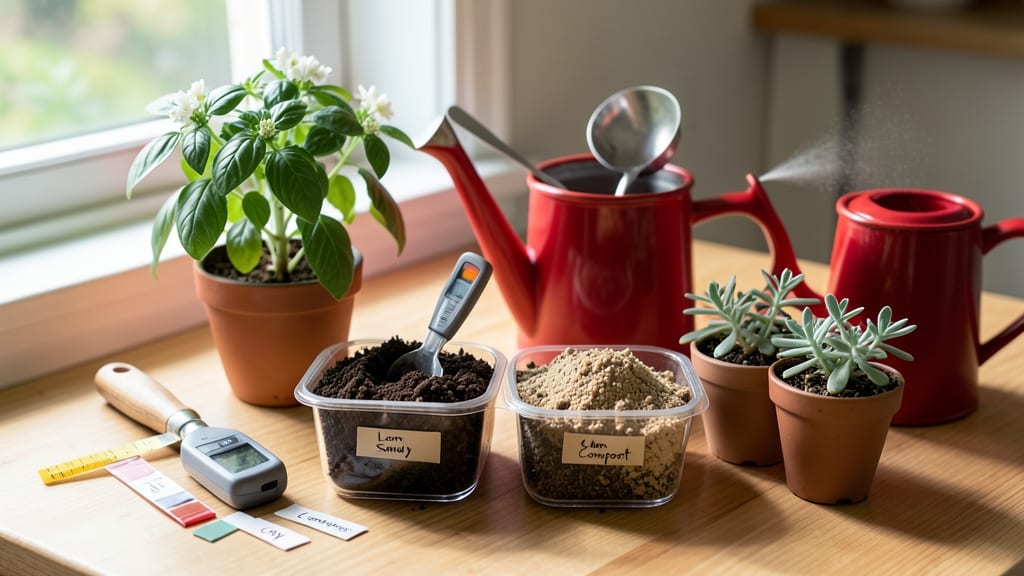
Soil storage containers save you from buying fresh bags every spring—and keep your plants thriving year-round. 🌱 I used to waste good soil after the growing season, but now I protect it in sealed bins, and my potted plants never suffer from poor drainage or compacted roots again. The key is balancing moisture retention with airflow to prevent mold and nutrient loss.
You don’t need fancy equipment—plastic bins with lids, breathable fabric bags, or even repurposed buckets work perfectly. Just avoid airtight containers unless you’re storing soil for short-term use, as trapped moisture leads to anaerobic conditions that kill beneficial microbes.
A simple drill hole or mesh cover keeps pests out while letting excess moisture escape.
This stored soil becomes your secret weapon for seed starting, filling new pots, or amending garden beds. I’ve used the same batch for three seasons now, and my tomatoes and peppers grow stronger because the soil retains its structure and nutrients.
The only rule? Label everything—soil mixes degrade differently over time.
Whether you’re a balcony gardener or a backyard enthusiast, this method cuts costs and waste. Next time you’re tempted to toss old potting mix, think again—it’s just waiting for another season of growth. Let’s turn your leftover soil into next year’s foundation.
Root Storage Gone Wrong
Soil storage containers are designed to preserve the life of your plants—especially root crops like carrots, potatoes, and beets—by maintaining the right balance of moisture, temperature, and airflow. But when things go awry, you might end up with soggy, moldy, or rotting roots instead of fresh, crisp produce.
Here’s why it happens, broken down into the most common culprits.
Root crops thrive in cool, stable conditions, but extreme temperatures—whether too hot or too cold—can disrupt their dormancy and accelerate spoilage.
- Heat Damage: Storing containers in warm areas (like garages or near heaters) speeds up microbial activity. Bacteria and fungi multiply faster, leading to soft rot—a mushy, foul-smelling decay caused by Pectobacterium bacteria. 🌡️ Pro Tip: Ideal storage temps hover around 35–40°F (2–4°C) for most roots.
- Freezing Risks: If containers are exposed to freezing temps, ice crystals form within root cells, rupturing their structure. This causes cold injury, turning crisp textures into mealy, waterlogged messes. Even short freezes can trigger chilling sensitivity in crops like sweet potatoes.
- Thermal Shock: Rapid temperature swings (e.g., moving containers from a cold basement to a warm kitchen) stress roots, weakening their natural defenses against pathogens.
Actionable Fix: Use insulated containers with breathable lids (like polypropylene or corrugated cardboard) and store them in a consistently cool, dark space—like a root cellar or unheated basement. Avoid plastic bins without ventilation.
Moisture is the #1 enemy of long-term root storage because it creates the perfect breeding ground for mold, bacteria, and fungal infections. Even slightly damp soil can turn your containers into a science experiment gone wrong.
- Condensation Buildup: When warm, humid air meets cold container surfaces, condensation forms. This moisture seeps into soil, promoting gray mold (Botrytis cinerea) or black rot (Rhizoctonia solani). 🌫️ Pro Tip: Use containers with ventilation holes or slightly open lids to let excess humidity escape.
- Overwatered Soil: Roots harvested with excess moisture cling to soil particles, trapping water in the container. This leads to anaerobic conditions (low oxygen), where harmful microbes like Erwinia thrive, causing bacterial soft rot.
- Improper Drying Before Storage: Roots like potatoes and beets need 1–2 weeks of curing in a dry, shaded area to form protective skins. Skipping this step leaves them vulnerable to moisture-related decay.
Actionable Fix:
- Pat roots dry with a clean towel before storage.
- Use containers with desiccant packets (like silica gel) to absorb excess moisture.
- Opt for perforated or woven containers (e.g., burlap sacks) for better airflow.
Roots need oxygen to respire and stay fresh. Poor airflow creates anaerobic pockets, where harmful gases like ethylene build up, accelerating spoilage.
- Sealed Containers: Airtight plastic bins trap carbon dioxide and ethylene, suffocating roots. Ethylene, a natural plant hormone, signals decay when in excess. 🚫 Pro Tip: Avoid fully sealed containers—even "vacuum-sealed" ones can harm roots long-term.
- Overpacked Roots: Crowding roots limits airflow, causing physical damage (bruising) and moisture pooling between them. Bruised spots become entry points for pathogens like Fusarium.
- Improper Container Material: Dense plastics or metal containers trap heat and moisture. Breathable materials like wooden crates or woven baskets allow gas exchange while protecting roots.
Actionable Fix:
- Choose containers with adjustable or mesh lids for airflow control.
- Space roots 1–2 inches apart in containers to prevent crowding.
- Store roots in single layers (not stacked) to avoid crushing.
Even the cleanest storage setup can fail if hidden pathogens or pests hitch a ride into your containers.
- Soil-Borne Pathogens: If roots aren’t thoroughly cleaned before storage, fungal spores (e.g., Phytophthora) or bacterial films linger, causing dry rot or watery mold. 🍄 Pro Tip: Rinse roots in a 1% bleach solution (1 tbsp bleach per gallon of water) before drying.
- Insect Infestations: Weevils, beetles, or maggots burrow into roots, creating entry wounds for secondary infections. Signs include tiny holes or frass (insect droppings).
- Cross-Contamination: Storing diseased or infested roots alongside healthy ones spreads spoilage. For example, a single potato with late blight can infect an entire container.
Actionable Fix:
- Inspect roots for damage or pests before storage—discard any compromised specimens.
- Use food-grade diatomaceous earth at the bottom of containers as a natural pest deterrent.
- Store different root crops separately to prevent pathogen spread.
Key Takeaway: Most storage failures boil down to three core issues: temperature swings, moisture imbalance, and airflow restrictions. By addressing these with the right container design and prep work, you can keep roots fresh for months—not weeks.
Fixing Common Soil Storage Issues
Soil storage containers are a gardener’s secret weapon for preserving root health and nutrients—but only if you address potential problems head-on. Below, we’ll map out the most common issues and provide practical, step-by-step solutions to keep your stored soil fresh, aerated, and ready for planting.
Cause: Sealed or overly dense containers trap moisture and limit oxygen flow, suffocating roots and promoting mold.
How to Fix It:
- 🔧 Choose the Right Container Opt for stackable, breathable bins with ventilation holes (like plastic crates with drilled sides or fabric grow bags). Avoid airtight plastic tubs unless they’re designed for long-term soil storage with built-in airflow.
- 🌬️ Add a DIY Aeration Layer Place a 1–2 inch layer of coarse sand, perlite, or small gravel at the bottom before adding soil. This creates a drainage buffer and prevents compaction over time.
- ⏳ Rotate & Fluff Monthly If storing soil long-term, gently stir or sift it every 4–6 weeks to break up clumps and restore airflow. Use a garden fork or your hands (wear gloves!).
Prevention Tip: 💡 Store soil in shallow layers (no deeper than 12 inches) to ensure even airflow. Deeper piles compact faster.
Cause: Extreme heat or cold accelerates microbial activity, leading to rot, foul odors, or nutrient loss.
How to Fix It:
- 🏠 Store Indoors or in a Sheltered Space Keep containers in a cool, dry garage, basement, or covered porch (away from direct sunlight or freezing temps). Ideal range: 40–70°F (4–21°C).
- 🧊 Use Insulation for Outdoor Storage Wrap containers in bubble wrap or thick cardboard if storing outside in winter. For summer, place them in shaded areas or under a tarp.
- 🌿 Add a Moisture Barrier If humidity is high, sprinkle a thin layer of dry vermiculite or coconut coir on top to absorb excess moisture without suffocating the soil.
Prevention Tip: ✨ Label containers with the storage date—soil loses potency after 6–12 months if not refreshed.
Cause: Stored soil can attract fungi, mites, or rodents, especially if organic matter is present.
How to Fix It:
- 🛡️ Sterilize Before Storage Mix in 1 part food-grade diatomaceous earth (DE) per 10 parts soil to deter pests naturally. Alternatively, bake soil at 180°F (82°C) for 30 minutes to kill pathogens (test a small batch first!).
- 🐀 Seal Gaps & Use Traps If storing outdoors, elevate containers on pallets to prevent rodent access. Place peanut butter traps (non-toxic) near storage areas to catch mice.
- 🍄 Monitor for Mold If you spot fuzzy growth, remove contaminated soil and replace it with fresh compost or sterile potting mix. Add 1 tbsp apple cider vinegar per gallon of soil to restore pH balance.
Prevention Tip: 🎯 Freeze soil for 24–48 hours before long-term storage to kill eggs and larvae—great for repurposing garden soil!
Cause: Overwatered or poorly drained containers create anaerobic conditions, leading to sour soil, root rot, or bacterial growth.
How to Fix It:
- 🚰 Drain Excess Water Before sealing, let soil dry completely (stick your finger in—if it’s damp beyond 2 inches deep, spread it out to air-dry).
- 🔄 Use a Moisture-Wicking Additive Mix in hydroponic clay pebbles or expanded shale (10–20% by volume) to absorb excess water and improve drainage.
- 📦 Opt for Stackable, Sloped Containers Choose bins with angled sides to allow water to drain out if condensation occurs. Avoid flat-bottomed containers unless they have drainage holes.
Prevention Tip: 🌡️ Store soil in relative humidity <60%—use a hygrometer to monitor and add silica gel packs if needed.
Cause: Soil stored too long loses nutrients, beneficial microbes, and structure.
How to Fix It:
- 🌱 Refresh with Compost & Amendments Revive tired soil by mixing in 20–30% fresh compost or worm castings. Add 1 tbsp of kelp meal or fish emulsion per gallon for a nutrient boost.
- 🔄 Aerate & Rejuvenate Till in 1 cup of perlite or coarse sand per 5 gallons to restore porosity. For acidic soils, sprinkle crushed eggshells or lime as needed.
- 🧪 Test & Adjust pH Use a soil pH test kit to check levels. Adjust with sulfur (to lower pH) or wood ash (to raise pH) if plants struggle to thrive.
Prevention Tip: ⏳ Store soil in smaller batches (under 5 gallons) for easier rotation—fresh soil every season keeps plants happy!
- 📅 Calendar Reminder: Mark your calendar to refresh soil every 6–12 months—even with perfect storage, nutrients deplete over time.
- 🔄 Layering Hack: Store different soil types separately (e.g., potting mix vs. garden soil) to avoid cross-contamination.
- 🌿 Companion Storage: Keep a small bag of fresh compost nearby to top-dress stored soil before planting.
By tackling these issues proactively, your soil storage containers will stay fresh, fertile, and ready to fuel your garden year-round—without the guesswork! 🌱
Frequently asked questions about soil storage containers
What’s the best material for storing potting soil long-term?
For long-term storage, use breathable containers like plastic bins with drilled holes or fabric grow bags. Avoid airtight plastic—it traps moisture and suffocates beneficial microbes. Pro tip: Stackable, ventilated bins keep soil fresh for up to 12 months if stored properly.
Can I store garden soil in a sealed plastic bucket?
No—sealed containers create anaerobic conditions, leading to mold and nutrient loss. Instead, use perforated buckets or mesh bags to allow airflow. If you must use a sealed bucket, drill small ventilation holes and store it in a cool, dry place. Warning: Never store soil in vacuum-sealed bags.
How do I prevent soil from drying out in storage?
Store containers in a humidity-controlled space (40–70°F) and add a moisture barrier like vermiculite or coconut coir on top. For extra protection, sprinkle a light mist of water before sealing—but never soak the soil. Check moisture every 2–3 months and adjust as needed.
What’s the shelf life of stored potting soil?
Soil lasts 6–12 months if stored correctly, but nutrients degrade over time. Refresh old soil by mixing in 20% fresh compost or worm castings before reuse. Signs it’s time to refresh: foul odors, mold, or poor plant growth when used.
How do I keep pests out of stored soil?
Use food-grade diatomaceous earth (1 part per 10 parts soil) or freeze soil for 24–48 hours to kill eggs/larvae. Elevate containers on pallets to deter rodents, and store them in a dry, pest-free area like a garage or shed. Bonus: Add a few drops of peppermint oil to repel insects.