
Pests
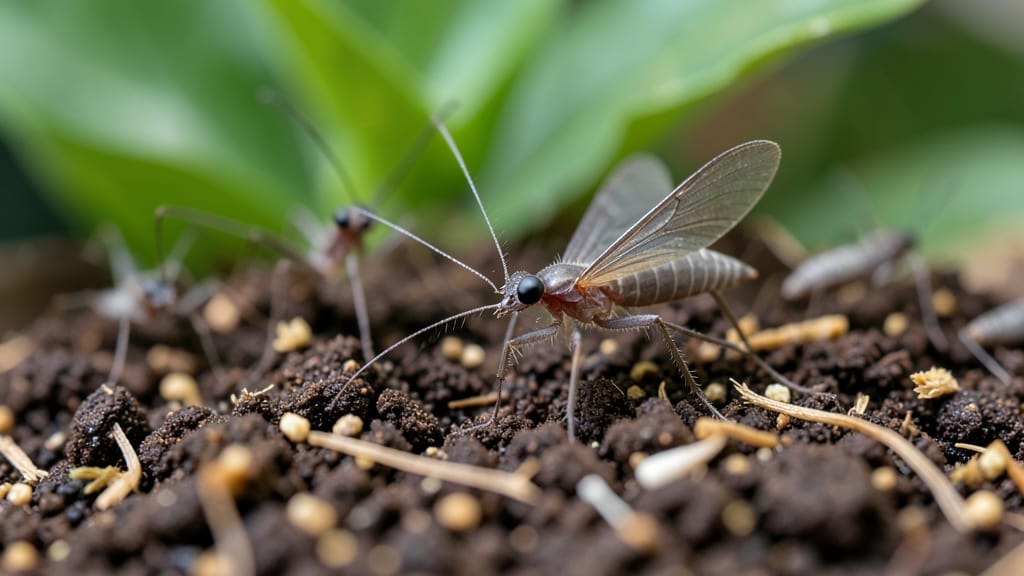
A new bag of potting soil has gnats isn’t a sign of failure—it’s just nature’s way of telling you to outsmart them. 🌱 I’ve dealt with these tiny invaders more times than I can count, but I’ve also learned how to turn the tables in just 24 hours with a few simple tricks.
The gnats you’re seeing are fungus gnats, and they’re drawn to the damp, organic matter in fresh soil. They’re harmless to plants but annoying to you—and they multiply fast if you don’t act. The good news? You don’t need harsh chemicals to get rid of them.
With a trap-and-release method, you’ll see a dramatic drop in gnat numbers within a day. The key is starving them out while letting beneficial insects move in to keep the population in check. No more swatting at gnats while you water your plants.
This fix works for indoor plants, seed-starting mixes, and even outdoor containers. Let’s get those gnats under control without stressing your plants—or your patience.
The Hidden Triggers Behind Soil Gnats
When you open a fresh bag of potting soil and discover tiny, buzzing gnats, it’s not just a nuisance—it’s a sign that something microscopic is thriving in your mix. Understanding why these pests appear in new soil is the first step to preventing them.
Below, we break down the science behind the problem, so you can tackle it with confidence.
Most potting soil contains organic materials like peat moss, compost, or coconut coir, which are rich in nutrients—but also in fungal spores. These spores are invisible to the naked eye but serve as a food source for fungus gnat larvae.
When moisture is present, the spores germinate, creating a perfect breeding ground for gnats. Even "sterile" soil can harbor spores if not properly processed or stored.
Key players:
- Sciarid flies (fungus gnats) – Their larvae feed on fungal hyphae and decaying organic matter.
- Rhizopus and Mucor – Common fungi in soil that accelerate gnat reproduction.
💡 Pro Tip: If you’re buying soil, opt for pasteurized or sterilized mixes labeled "gnat-free." These undergo heat treatment to kill fungal spores and larvae before packaging.
Gnats don’t just appear—they’re invited by excess moisture. Fungus gnat eggs and larvae thrive in damp, poorly aerated soil because:
- 🔬 Oxygen depletion: Waterlogged soil reduces oxygen, making it harder for beneficial microbes to outcompete fungi.
- 🌡️ Temperature regulation: Moist soil retains heat, creating a warmer, more hospitable environment for fungal growth.
- 🧬 Larval survival: Larvae need moisture to burrow and feed; dry soil kills them within days.
🚨 Warning Sign: If your soil stays wet for more than 24 hours after watering, you’re creating a gnat paradise. Test your soil’s moisture by squeezing a handful—it should crumble slightly, not drip.
Not all soil is created equal. Gnats can hitch a ride in:
- Cheap or bulk soil: Lower-quality mixes often skip pasteurization, leaving fungal spores and larvae alive.
- Improperly sealed bags: If a bag tears or sweats during storage, moisture and spores can multiply inside.
- Reused containers: Pots or trays that once held infested plants can transfer gnats to fresh soil.
🔍 Science Check: Studies show that Sciarid flies can lay up to 200 eggs in a single batch, and larvae can mature in just 7–10 days under ideal conditions. That’s why a small infestation can explode overnight.
💡 Pro Tip: Store soil in a cool, dry place (below 70°F) and check for tears or condensation before use. If the bag feels damp, air it out for 24 hours before planting.
While you might think gnats avoid fertilizers, the opposite is true. High-nitrogen or organic fertilizers (like compost or fish emulsion) act like a gnat buffet. Here’s why:
- ⚗️ Ammonia spikes: Synthetic fertilizers release ammonia, which attracts adult gnats to lay eggs.
- 🍄 Fungal feast: Organic fertilizers break down quickly, creating a temporary boom in fungal growth—larvae’s favorite snack.
📊 Data Point: Research from the Journal of Economic Entomology found that soil with 100+ ppm nitrogen saw a 400% increase in gnat activity within two weeks.
✨ Solution: If you must fertilize, use a slow-release formula and apply it after planting. Avoid top-dressing soil with compost until the plant is established.
Quick Fixes for Soil Gnats
Now that you know why those pesky fungus gnats are crashing your potting party, let’s tackle them head-on with practical, plant-safe solutions. The good news? You don’t need fancy tools or toxic sprays—just a few simple tricks to evict these tiny intruders for good.
Below, we’ve mapped the most common causes to their best fixes, plus pro tips to keep your soil gnat-free long-term.
Fungus gnats thrive in soggy conditions, so if your soil feels damp or even waterlogged, starve them out before treating them.
How to fix it:
- Stop watering immediately – Let the top 1–2 inches of soil dry out completely (this could take 3–7 days, depending on humidity).
- Use a fan – Place a small fan on low near your plants for 10–15 minutes daily. The airflow disrupts gnat breeding and dries soil faster. 🌬️
- Check drainage – Ensure pots have drainage holes and saucers are empty after watering. No one wants a gnat paradise!
Prevention tip: 💡 Water only when the top inch of soil is dry, and use a moisture meter if you’re prone to overwatering.
If gnats are already laying eggs or larvae are munching on roots, you’ll need a two-pronged attack: trapping adults and eliminating larvae.
🍎 Apple Cider Vinegar Trap (Adults)
Gnats are drawn to vinegar’s scent—use it to lure and drown them.
How to set it up:
- Fill a small cup or jar with apple cider vinegar (the tangier, the better).
- Add a drop of dish soap to break the surface tension (so gnats can’t escape).
- Place traps near infected plants, away from leaves.
- Replace every 2–3 days or when gnats stop falling in.
Pro tip: ✨ For faster results, add a few slices of overripe banana or apple—gnats love the smell!
🪴 Sand or Diatomaceous Earth (Larvae)
Larvae hide in the topsoil, but sharp, dry barriers can dehydrate them without harming plants.
How to apply:
- For sand: Sprinkle a thin layer (¼ inch) of coarse horticultural sand on the soil’s surface. Avoid fine sand—it compacts and traps moisture.
- For diatomaceous earth (DE): Lightly dust the topsoil (food-grade DE only!). Reapply after watering.
- Let it sit for 3–5 days, then reapply if needed.
Caution: 🌡️ DE can irritate lungs—wear a mask when applying!
If gnats are everywhere and your plants are struggling, a full reset might be the fastest fix.
How to repot like a pro:
- Remove the plant gently from its pot and shake off old soil (don’t rinse roots—just loosen the gnat larvae).
- Disinfect the pot with a 10% hydrogen peroxide solution (1 part peroxide to 9 parts water) or soapy water. Rinse well.
- Use sterile potting mix—avoid fresh bags of soil (even if they look clean). Instead, opt for:
- Cactus/succulent mix (dries faster, gnats hate it).
- Perlite or vermiculite-heavy mix (improves drainage).
- Pasteurized soil (baked or microwaved to kill larvae—see below!).
- Add a larva-killing layer: Mix in 1 part sand or DE to 3 parts new soil for extra protection.
DIY Soil Pasteurization (Microwave Method): 🔥 For small batches: Spread soil in a microwave-safe dish, cover with plastic wrap (poke holes for steam), and microwave on high for 2–3 minutes. Let cool before using.
Once you’ve evicted the gnats, keep them from moving in with these habits:
- 💧 Water wisely: Use the “finger test”—stick your finger in the soil. If it’s damp past the first knuckle, wait. - 🍃 Use beneficial nematodes: Tiny, microscopic worms (Steinernema feltiae) hunt gnat larvae naturally.
Mix them into soil every 3–4 months. 🎯 - 🌱 Rotate plants: Move houseplants outdoors seasonally to reset their soil. - 🧼 Clean tools: Sanitize pots, trays, and tools with rubbing alcohol or bleach water (1:10 ratio) to avoid reinfestation.
If gnats persist after 2–3 weeks, consider: - Neem oil spray (1 tsp neem oil + 1 tsp mild soap per quart of water).
Spray soil and leaves, but avoid overuse—it can harm beneficial microbes. - Yellow sticky traps (hang near plants to catch flying adults). - Professional help for severe infestations in large gardens or greenhouses.
Final Thought: Patience is key—gnats can take 1–3 weeks to fully disappear, but consistency wins. Once your soil is dry, larvae are gone, and your watering habits are on point, you’ll enjoy gnat-free growing for months! 🌱💚
Frequently asked questions
Why do gnats appear in brand-new potting soil?
Even fresh bags can contain fungal spores or microscopic larvae from organic materials like peat moss or compost. These spores germinate when moisture is present, creating the perfect breeding ground for fungus gnats. Always check for dampness in the bag before use.
Are these gnats harmful to my plants?
Adult gnats don't damage plants, but their larvae feed on fungal growth and root tips, which can stress young seedlings. While they rarely kill mature plants, they're still a nuisance and can spread quickly if left unchecked. Focus on eliminating larvae to protect roots.
How long does it take to get rid of soil gnats?
With proper treatment, you should see a noticeable reduction in 3-5 days, and full elimination typically takes 2-3 weeks depending on the severity. Consistency is key—keep soil dry and maintain traps or barriers until you're gnat-free.
Can I reuse contaminated potting soil?
Only if you thoroughly sterilize it first. Spread soil in a shallow tray and bake at 200°F for 30 minutes or microwave in 2-minute intervals (covered with vent holes). This kills larvae and spores, but the soil may lose some nutrients.
What's the best prevention for future gnat problems?
Use pasteurized or sterile potting mix, ensure pots have drainage holes, and water only when the top inch of soil is dry. Add a ¼-inch layer of sand or perlite to soil surfaces to deter egg-laying. Rotate plants outdoors seasonally for a natural reset.