
How To
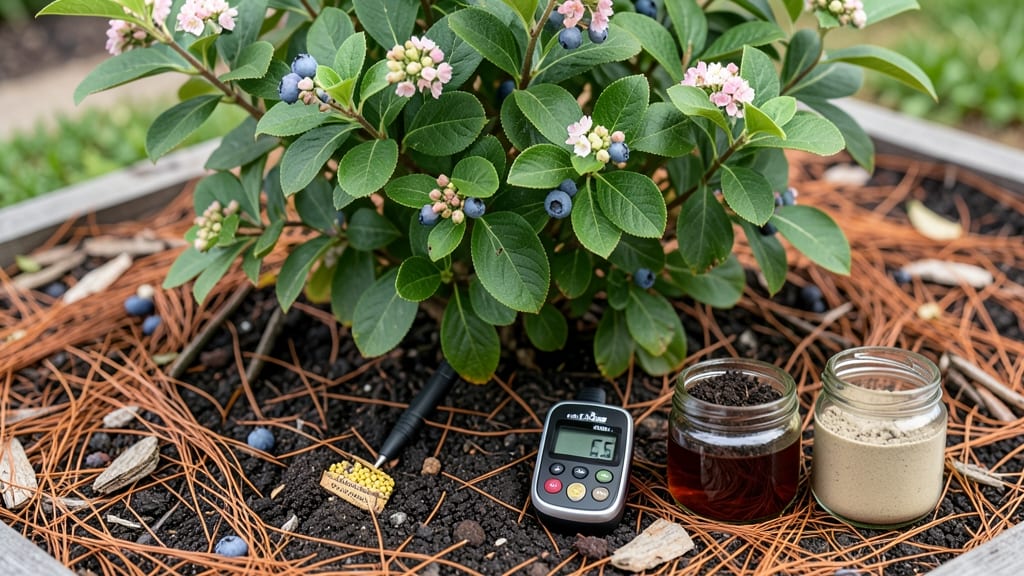
Clay soil isn't naturally acidic, but its dense composition often creates acidic conditions by trapping organic matter that decomposes slowly, gradually lowering the pH. Most clay soils naturally fall between 5.0 and 7.0, though they can drop below 5.0 without amendments like lime or compost.
Clay soil's heavy texture isn't just about drainage—it's a pH time bomb waiting to happen. 🌱 The compacted particles trap moisture and organic debris, creating a slow-cooker effect that breaks down matter into acidic byproducts over time.
This is why many gardeners find their clay soil tests unexpectedly acidic, even if it looks neutral at first glance. The good news? With the right amendments—like crushed limestone or well-aged compost—you can restore balance and create healthier growing conditions for your plants.
Understanding this isn't just academic. Plants like blueberries and rhododendrons actually thrive in the slightly acidic range that clay soils often develop, while vegetables and lawn grasses prefer more neutral conditions.
The key is testing your soil's pH regularly and making small adjustments as needed—think of it like tuning a guitar, where small changes make all the difference in performance.
💡 In This Article
- How Clay Soil pH Levels Affect Plant Growth
- Testing and Adjusting Clay Soil pH at Home
How clay soil pH levels affect plant growth
The dense, tightly packed particles in clay soil create a unique environment where pH levels fluctuate differently than in sandy or loamy soils. When organic matter—like fallen leaves or grass clippings—gets trapped between these particles, it decomposes slowly due to poor aeration.
This slow breakdown releases acidic compounds like humic and fulvic acids, gradually lowering the pH over time. 🌱 The result? A soil that often tests between 5.0 and 6.5, even if it appears neutral at first glance.
This acidity isn't just about numbers—it directly impacts nutrient availability. For example, phosphorus becomes locked up in clay particles when pH drops below 5.5, starving plants of a critical nutrient for root and flower development.
Conversely, calcium and magnesium become more soluble in acidic conditions, which can lead to deficiencies in plants that prefer neutral soil, like tomatoes or lettuce. The key is understanding your plants' needs: blueberries and azaleas thrive in the 4.5-5.5 range, while vegetables like peppers and cucumbers need 6.0-7.0.
Water retention plays a surprising role too. Clay holds 4-5 times more water than sandy soil, creating anaerobic pockets where microbial activity slows. This means fewer beneficial bacteria to break down organic acids, letting pH drift lower over time.
The solution? Aerate the soil in spring to improve drainage and add organic matter like compost to buffer pH naturally. Think of it like adding a sponge to absorb excess acidity before it affects your plants.
Seasonal changes also shift pH dynamics. Rainwater—naturally slightly acidic (pH 5.6)—can temporarily lower clay soil pH after heavy downpours, while summer heat accelerates organic matter decomposition, releasing more acids. This is why gardeners in humid climates often see pH fluctuations between 0.5 and 1.0 units across seasons.
Regular testing (every 3-4 months) helps you anticipate these shifts and adjust amendments accordingly.
One often-overlooked factor is mineral composition. Clay minerals like kaolinite and montmorillonite carry negative charges that attract positively charged ions (like aluminum and hydrogen), which increase acidity. In contrast, soils rich in calcium carbonate (like limestone) naturally resist pH drops.
This is why adding 1-2 pounds of dolomitic lime per 100 square feet can raise pH by 1.0-1.5 units over a growing season—without overcorrecting.
For visual learners, imagine clay soil as a dense sponge soaked in tea (the organic acids). The tighter the sponge (higher clay content), the longer the tea (acidity) lingers.
Adding compost is like diluting the tea with water—it spreads out the acidity and introduces buffering agents that stabilize pH. This balance is what transforms clay soil from a pH rollercoaster into a predictable, plant-friendly environment. 💫