
How To
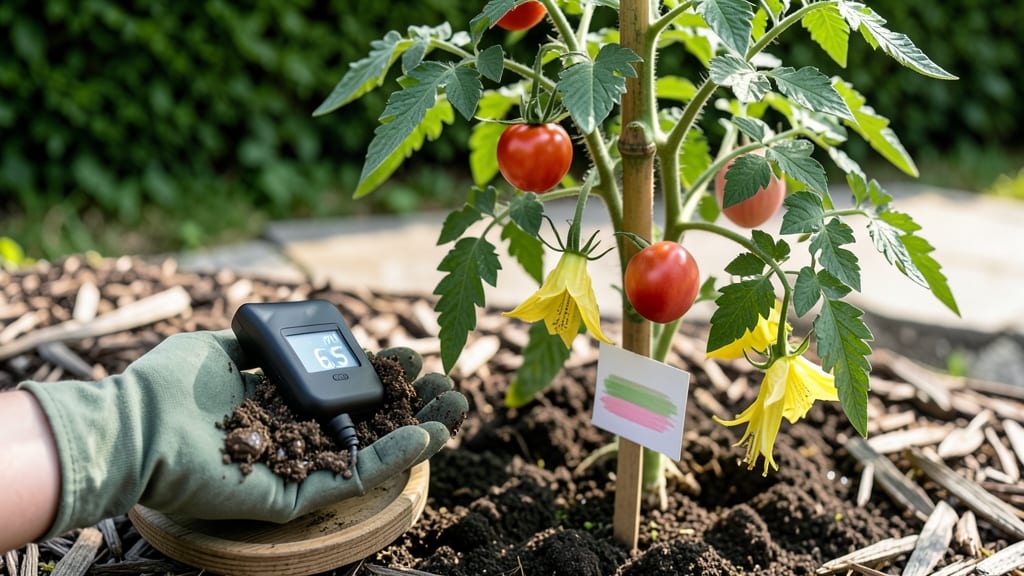
The ideal soil pH for tomatoes is between 6.0 and 6.8, which maximizes nutrient availability and prevents common issues like blossom-end rot or poor fruit development. Maintaining this balance is crucial for healthy plant growth.
Tomatoes thrive when their soil pH stays within this slightly acidic range because it unlocks essential nutrients like calcium, magnesium, and phosphorus. 🌱 When soil becomes too acidic (below 6.0) or alkaline (above 6.8), the plant struggles to absorb these nutrients, leading to weak stems or deformed fruit.
I've seen firsthand how adjusting pH with simple amendments—like crushed limestone for acidity or sulfur for alkalinity—can transform a struggling tomato plant into a productive one within weeks.
Testing your soil's pH is easier than you think. A basic home test kit (available for under $10) gives you results in minutes, or you can use the vinegar-and-baking-soda trick: mix soil with water, then add a few drops of vinegar—if it fizzes, your soil is alkaline.
For a more precise approach, many garden centers offer professional testing services for a small fee.
💡 In This Article
- How Soil pH Affects Tomato Growth and Nutrient Uptake
- Quick Soil pH Testing Methods for Tomato Gardens
How soil pH affects tomato growth and nutrient uptake
The pH scale measures how acidic or alkaline your soil is, and tomatoes prefer a slightly acidic environment between 6.0 and 6.8. At this range, essential nutrients like calcium, magnesium, and phosphorus become readily available to the plant's roots.
Calcium, for instance, is most accessible in this pH range—when soil becomes too acidic (below 6.0), calcium binds tightly to soil particles, making it difficult for roots to absorb. This deficiency often leads to blossom-end rot, where the bottom of tomatoes turns black and mushy.
Magnesium and phosphorus also follow this pattern. Magnesium, crucial for chlorophyll production, becomes locked out when soil pH drops below 6.0, causing yellowing leaves—a condition called interveinal chlorosis. Phosphorus, vital for root development and flowering, becomes less available in alkaline soils (above 6.8).
The plant may produce small, stunted fruit or fail to flower altogether. 🌱 What’s fascinating is how soil microbes play a role too: beneficial bacteria and fungi thrive in this pH range, helping break down organic matter into forms the plant can use.
Extreme pH levels don’t just limit nutrients—they disrupt the plant’s overall health. In highly acidic soil, aluminum and manganese become toxic, damaging root systems and stunting growth. Conversely, alkaline soil can cause iron and zinc deficiencies, leading to pale leaves and weak stems.
I’ve seen tomato plants in 7.5 pH soil struggle to develop fruit, despite receiving plenty of fertilizer, because the nutrients simply weren’t accessible. The key is balancing pH to unlock the full potential of your soil’s nutrients.
Tomatoes also respond to subtle pH changes in their soil. For example, a pH of 6.5 might yield slightly sweeter fruit than 6.0 because the plant can absorb more potassium, which enhances flavor. This is why gardeners often fine-tune their soil’s pH not just for growth but for quality.
Testing your soil in early spring—before planting—gives you time to make adjustments and set your tomatoes up for success.
Here’s what happens when pH strays from the ideal range:
- Below 6.0: Calcium and magnesium become scarce, leading to blossom-end rot and leaf yellowing.
- Between 6.0-6.8: Optimal nutrient uptake, strong root growth, and healthy fruit development.
- Above 6.8: Phosphorus and iron deficiencies cause poor flowering and stunted growth.
Understanding this science helps you troubleshoot issues before they start. For example, if your tomatoes develop blossom-end rot despite regular watering, a soil pH test might reveal the real culprit: a calcium deficiency caused by acidic soil.
Adjusting the pH with a small amount of pelletized lime (for acidic soil) or elemental sulfur (for alkaline soil) can turn things around in just a few weeks. 💫