
How To
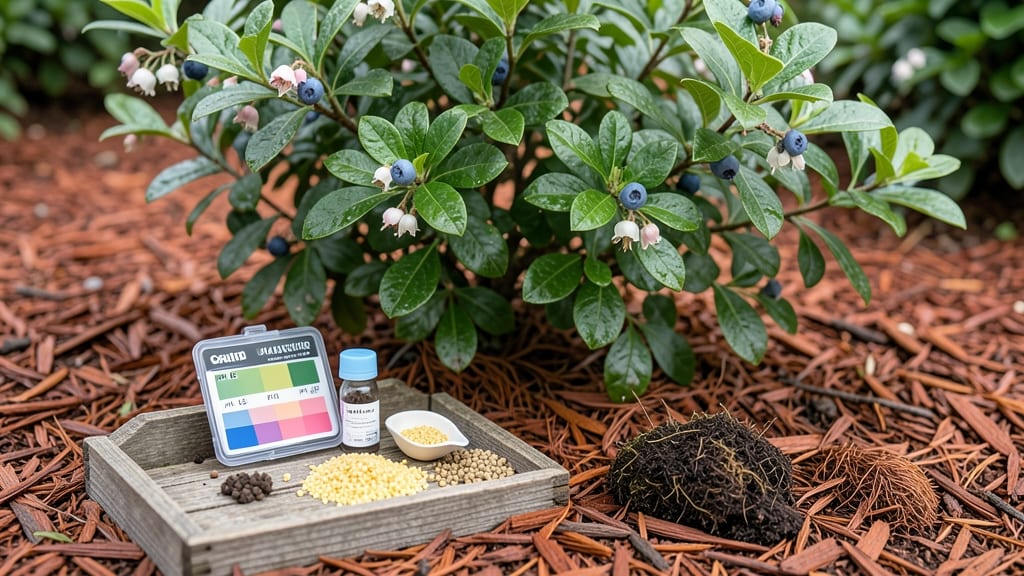
Acidic soil color—deep reddish-brown or rusty hues—reveals high iron and aluminum levels, which can harm plant growth if the pH drops below 5.5. Testing with a pH kit helps identify true acidity, while lime or sulfur adjustments restore nutrient balance for healthier blooms.
Those rich, rust-colored soils aren't just visually striking—they're a direct result of iron oxides and aluminum compounds becoming more soluble in acidic conditions. 🌱 When the pH dips too low, plants struggle to absorb essential nutrients like phosphorus and nitrogen, which can lead to stunted growth or yellowing leaves.
The good news? Many acid-loving plants—like azaleas, blueberries, and rhododendrons—thrive in these conditions, while others, such as tomatoes and peppers, suffer. Testing your soil's pH isn't just about aesthetics; it's about creating the perfect environment for your plants to flourish.
If your soil tests acidic, don't panic—simple adjustments can make a big difference.
Lime raises pH levels, while sulfur lowers them, and both can be applied based on your soil's volume and current pH. For example, a 100-square-foot garden with a pH of 5.0 might need about 5 pounds of lime to bring it up to an ideal 6.0-7.0 range.
Timing matters too: spring is the best time to amend acidic soil, giving plants the whole growing season to benefit from the changes.
💡 In This Article
- Why Acidic Soil Turns Red and How It Affects Plants
- Step-by-Step pH Adjustment for Acidic Soil Gardens
Why acidic soil turns red and how it affects plants
The reddish-brown or rusty hues in acidic soil come from iron oxides forming when the pH drops below 5.5. Iron (Fe³⁺) becomes highly reactive in acidic conditions, oxidizing into ferric hydroxide (Fe(OH)₃), which gives that signature brick-red color.
Aluminum compounds also dissolve more easily, contributing to the soil's acidity and nutrient imbalances. 🔥 This chemical reaction isn't just visual—it directly impacts plant health by locking out essential nutrients like phosphorus and nitrogen, which plants need for strong roots and vibrant blooms.
When soil pH falls below 5.5, aluminum toxicity becomes a major issue. Plants absorb aluminum ions (Al³⁺) more easily, which can damage root cells and stunt growth. For example, tomatoes and peppers—both pH-sensitive crops—often show yellowing leaves or poor fruiting in acidic soil.
Meanwhile, acid-loving plants like azaleas and blueberries thrive because their root systems have adapted to extract nutrients efficiently in these conditions. The key difference lies in their ability to manage aluminum uptake and maintain healthy nutrient absorption.
This pH imbalance also affects microbial activity in the soil. Beneficial bacteria and fungi that help break down organic matter prefer neutral to slightly acidic conditions (6.0-7.0). In highly acidic soil, these microbes struggle, reducing the availability of organic nutrients that plants rely on.
The result? Even if you're adding compost, plants may not access its full benefits until the pH is adjusted. 💫 Think of it like trying to drink through a clogged straw—no matter how much liquid is present, the blockage prevents proper absorption.
One surprising detail is how soil texture influences color intensity. Sandy soils with high iron content often appear more rust-colored because the iron oxides are exposed and less bound to clay particles.
In contrast, clay-heavy soils may show deeper reddish-brown tones due to the way iron binds to the clay's surface. This variation means that even two acidic soils can look different while still posing similar challenges to plant growth.
Testing both pH and texture gives a clearer picture of what adjustments are needed.
For gardeners, understanding this chemistry helps explain why some plants flourish while others fail in the same soil. For instance, hydrangeas change flower color based on soil pH—blue in acidic conditions and pink in neutral—because aluminum availability affects pigment production.
This visual cue alone can confirm whether your soil is too acidic without needing a test kit. 🌸 The takeaway? Soil color isn't just decorative; it's a window into your garden's hidden chemistry.
If you're dealing with acidic soil, start by testing it with a pH test kit (available for $10-$20 at garden centers). The color chart on these kits directly correlates with the iron oxidation levels you're seeing.
For example, a pH of 5.0 will show a deep red, while 6.0 appears yellowish-brown. This visual feedback helps you track progress as you make adjustments, ensuring your soil moves toward the ideal range for your plants.