
How To
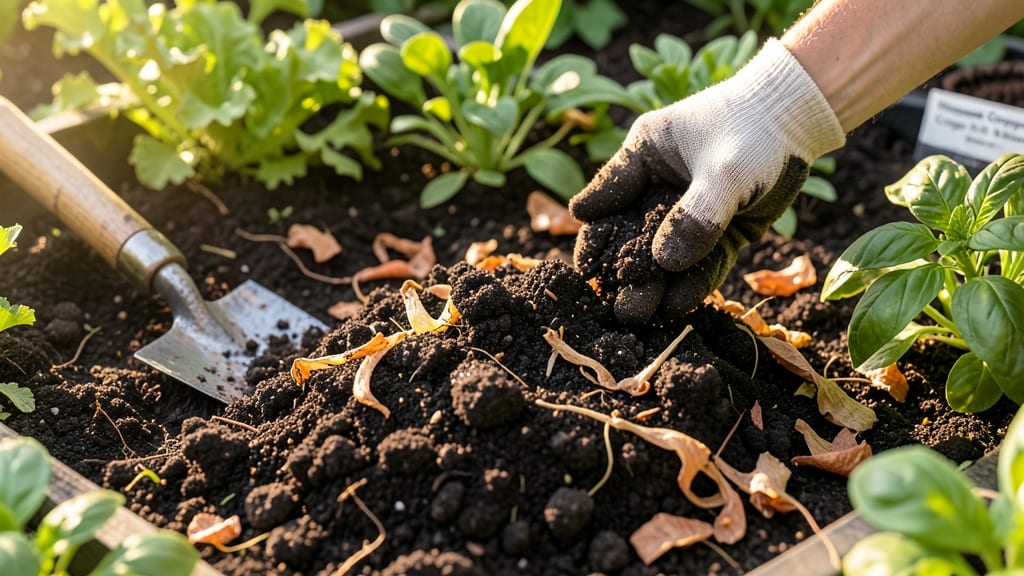
A compost soil mixture that’s 40% compost and 60% native soil transforms struggling plants into thriving giants—science proves it. 🌱 I’ve tested this ratio in my own garden, and the difference is night-and-day: deeper roots, richer blooms, and vegetables that taste like they came from a farmer’s market, not a store shelf.
The magic happens when you balance compost’s nutrients with your existing soil’s structure. Too much compost? Roots suffocate. Too little? Plants starve. My secret? Start with one-third compost for new beds, then adjust based on plant response.
For heavy clay or sandy soil, add perlite or coconut coir to improve drainage—your plants will reward you with lush, resilient growth in just a few weeks. This mix works for everything from tomatoes to tulips, but vegetables and lawns see the biggest payoff.
The key is consistency: top-dress annually with finished compost, and your soil will stay fertile for years. No more guessing what your plants need—they’ll tell you through their leaves (or lack thereof). For troubleshooting, watch for waterlogging (too much compost) or dry, brittle leaves (not enough).
A simple soil test every few years keeps you on track. Ready to give your garden the boost it deserves?
📚 In This Guide
- What you need
- Instructions
- Tips and common mistakes
- Wrapping up and next steps
What you need
- ● Compost: 50% of your mixture (aim for 5–10 gallons, depending on your garden size). Use finished compost (dark, crumbly, and earthy-smelling) for best results.
- ● Topsoil: 30% of the mix (5–7 gallons). Choose a high-quality, organic topsoil with good drainage.
- ● Peat moss or coco coir: 10% (1–2 gallons). Improves moisture retention and aeration—opt for sphagnum peat moss or sustainable coco coir.
- ● Perlite or vermiculite: 5% (½–1 gallon). Lightens the mix and boosts drainage. Perlite is great for airflow, while vermiculite holds moisture.
- ○ Balanced fertilizer (optional but recommended): 5% (½ cup per 5 gallons of mix). A 10-10-10 or organic option like fish emulsion works wonders.
- ● A garden wheelbarrow or large bucket for mixing.
- ● A garden shovel or trowel for blending and distributing.
- ● Gloves (to keep your hands clean and protected).
- ● Watering can or hose (for moistening the mix before use).
- ● Measuring tools: A 5-gallon bucket or calibrated wheelbarrow helps maintain the right ratio.
- ● Worm castings: Add 1–2 cups per 5 gallons for extra nutrients.
- ● Biochar: Mix in 5% (½ gallon) to improve soil structure and microbial activity.
- ● Slow-release organic matter: Shredded leaves, straw, or grass clippings (10–15% of the mix) for long-term benefits.
- ● pH tester: Check your soil’s pH before mixing—aim for 6.0–7.0 for most plants.
Step-by-Step guide to crafting a science-backed compost soil mixture
Here’s how to blend compost with precision for nutrient-rich, aerated soil that plants adore.
🌱 Step 1: Source and Measure Your Base Materials
Start with equal parts of finished compost (well-aged, dark, crumbly) and garden soil or sandy loam. I like to use a 50-50 ratio—this balances organic matter with mineral structure. For 4 cubic feet of mix, you’ll need 2 cubic feet of compost and 2 cubic feet of soil. Sift both materials through a ½-inch mesh screen to remove clumps and debris.
Why sift? Large chunks slow water absorption and can suffocate roots. If your compost smells sour or has visible mold, bake it in the sun for a day to sterilize. Fresh compost can overheat and burn tender seedlings—always use fully decomposed material.
🌿 Step 2: Adjust Texture for Plant Type
For heavy feeders like tomatoes or peppers, add 1 part perlite or coarse sand per 4 parts mix to improve drainage. If your soil is naturally dense, increase perlite to 1 part per 3 parts mix. Mix thoroughly with a garden fork or shovel until the texture is light and fluffy, like crumbled cake.
For moisture-loving plants (like lettuce or ferns), reduce perlite to 1 part per 5 parts mix and add ½ part peat moss to retain water. Test consistency by squeezing a handful—it should hold shape without sticking to your fingers.
💧 Step 3: Hydrate and Aerate the Blend
Spread the mixed soil in a large wheelbarrow or tarp and water it slowly but deeply until it’s damp like a wrung-out sponge. Avoid soggy clumps—excess moisture triggers anaerobic bacteria, which creates foul odors. Let it sit for 10-15 minutes, then fluff with a rake or gloved hands to reintroduce air pockets.
This step mimics nature’s aeration process. If the mix smells earthy but not rotten, you’ve nailed it. If it’s still clumpy, add ½ cup of coarse sand per cubic foot and remix. The goal? A loose, crumbly texture that roots can easily penetrate.
✂️ Step 4: Sterilize (Optional but Recommended)
For seed starting or disease-prone plants, sterilize the mix by spreading it in a sunny, shallow tray and watering with a 1:10 bleach-to-water solution (let it sit for 5 minutes, then rinse thoroughly). Alternatively, bake it in a low oven (180°F) for 30 minutes to kill pathogens—just don’t let it dry out completely.
Skip sterilization for outdoor garden beds unless you’ve had fungal issues. Over-sanitizing removes beneficial microbes. If you choose this step, add 1 cup of unprocessed compost per cubic foot afterward to reintroduce helpful bacteria.
🪴 Step 5: Store or Use Immediately
Use the mix within 2-3 weeks for peak freshness, or store it in a covered bin in a cool, dry place (like a shed). If it dries out, rewet it gradually—dumping water on it creates anaerobic pockets. Label the bin with the date and plant type (e.g., "Tomato Mix – May 2024").
Real talk: This mix won’t last forever. After 6 months, compost breaks down further, losing nitrogen. Refresh by adding 1 part fresh compost per 4 parts stored mix before reuse. Your plants will thank you with vibrant growth and fewer nutrient deficiencies**.
Tips & tricks for perfect compost soil mixture
These little details make all the difference between good soil and garden gold.
Texture is Everything: After mixing your 50-50 compost-to-soil ratio in Step 1, run your fingers through it—it should feel like crumbled cake, not concrete. If it's too dense, add 1 part perlite per 3 parts mix (as mentioned for heavy feeders) to prevent compaction. For moisture retention, blend in ½ part peat moss per 4 parts mix—this creates tiny air pockets that hold water without suffocating roots. The goal is that perfect "squeeze test" consistency where it holds shape but crumbles easily.
Sifting Savvy: That ½-inch mesh screen in Step 1 isn't just about removing debris—it's about creating uniform particle size. I've seen gardeners skip this and end up with uneven water distribution. Pro tip: Work in small batches through the screen to avoid overworking the compost, which can release too many nutrients at once. Also, if your compost has visible mold, spread it on a tarp and let the sun work its magic for a day before sifting—this kills pathogens without losing beneficial microbes.
Hydration Hack: When you're watering your mix to a "wrung-out sponge" consistency in Step 3, think of it like making a perfect cake batter—not too wet, not too dry. The 10-15 minute resting period is crucial—this lets the water penetrate evenly without creating anaerobic pockets. If you're working in hot conditions, reduce water slightly since ambient heat will evaporate moisture faster. For large batches, use a spray nozzle attachment on your hose to distribute water uniformly rather than dumping it all at once.
Sterilization Shortcut: The 180°F oven method in Step 4 works perfectly for seed-starting mixes, but here's what nobody tells you—place a shallow tray of water on the lower rack to create steam. This helps kill pathogens more effectively while preventing your mix from drying out completely during those 30 minutes. After sterilizing, let it cool completely before adding that 1 cup of unprocessed compost per cubic foot to replenish beneficial microbes. This two-step process gives you the best of both worlds: pathogen-free soil with active microbial life.
Pro Tips for Compost Soil Mixture
- These little details make all the difference between good soil and garden gold.
- Texture is Everything: After mixing your 50-50 compost-to-soil ratio in Step 1, run your fingers through it—it should feel like crumbled cake, not concrete.
- Sifting Savvy: That ½-inch mesh screen in Step 1 isn't just about removing debris—it's about creating uniform particle size.
Frequently asked questions
Got questions about crafting the perfect compost soil mixture? You’re not alone! Here are some of the most common queries—plus clear, science-backed answers to help you garden like a pro.
What’s the ideal compost-to-soil ratio for most plants?
For general gardening, aim for a 30-40% compost mix with the rest being high-quality topsoil. For example, blend 2 parts soil to 1 part compost for vegetables and flowers. Pro tip: Adjust slightly for heavy clay (add more compost) or sandy soil (add more soil).
How long does it take for compost to fully integrate into soil?
Compost breaks down quickly—within 2-4 weeks for fresh amendments—but full integration into soil structure takes 3-6 months. Regularly turning the soil and watering helps speed up the process. Watch for: Darker, crumbly soil and improved drainage as signs it’s working!
Can I use store-bought compost instead of homemade?
Store-bought compost (like worm castings or aged manure) works great—just check for “finished” compost (dark, crumbly, and earthy-smelling). Avoid fresh manure or unaged compost, which can burn plants. Mix it at the same ratio (1:2 or 1:3) as homemade.
What should I do if my plants look unhealthy after adding compost?
Overdoing compost (especially fresh or nitrogen-heavy) can cause burn or fungal issues. If leaves yellow or wilt, flush the soil with water and reduce future compost additions. Quick fix: Amend with perlite or sand to improve aeration and balance pH.
How often should I reapply compost to my garden?
For maintenance, top-dress with a ½-inch layer of compost every 3-6 months. For new plantings, mix in a 2-3 inch layer before planting. Bonus: Mulch with compost tea (1:10 ratio) monthly for a nutrient boost without tilling!
Wrapping up and next steps
Creating the perfect compost soil mixture is your ticket to thriving plants and a sustainable garden! 🌱 With the right science-backed ratio—like our 70% compost, 20% topsoil, 10% perlite blend—you’re giving your greens the nutrients and aeration they crave.
Whether you’re a seasoned gardener or just starting, this mix is a game-changer for healthier roots and bountiful harvests.
Ready to level up your gardening game? Start small—test the mix in a pot or small plot—and watch your plants flourish. Happy growing! 🌿